
What To Expect During Your Annual Physicals
February 22, 2026
How Transcranial Magnetic Stimulation Can Aid in Recovery from Depression
February 23, 2026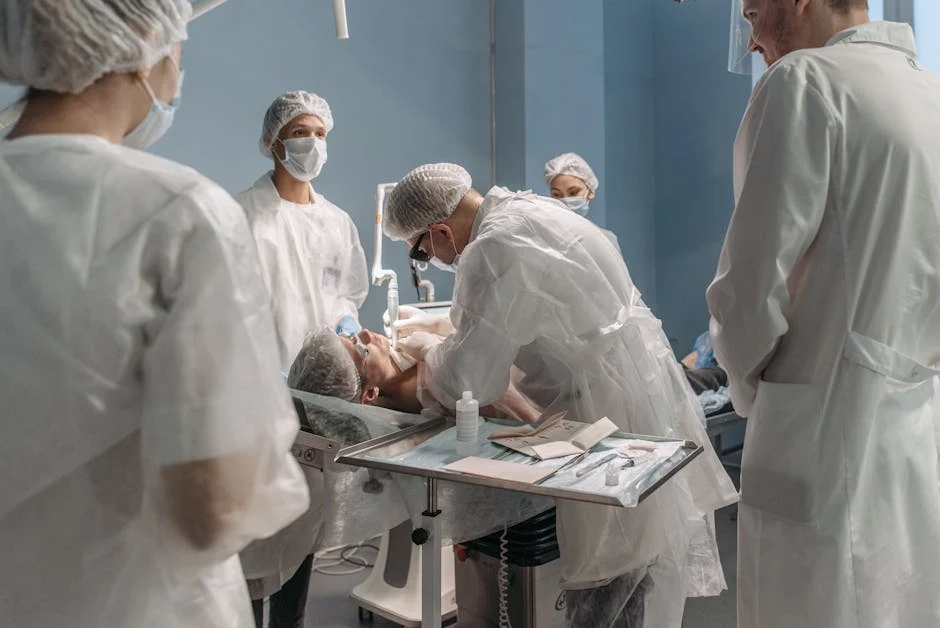
A salpingectomy is a surgical procedure that removes one or both fallopian tubes, and it is used for permanent contraception or to reduce the risk of certain cancers. Because the fallopian tubes transport eggs from the ovaries to the uterus, removing them prevents pregnancy permanently. You might undergo this procedure as a standalone surgery or alongside other operations like a cesarean section. Here is more information about this procedure:
Applying Anesthesia
Before the surgery begins, the medical team prepares you for anesthesia. The anesthesiologist administers general anesthesia, and you typically fall asleep quickly and feel no pain. Since this medication affects your entire body, medical staff monitors your vital signs closely throughout the process. This step keeps you safe and unconscious during the operation.
The team places an intravenous (IV) line in your arm or hand. Through this tube, they deliver fluids and necessary medications directly into your bloodstream. Once the anesthesia takes effect, the surgeon cleans the abdomen with an antiseptic solution to prevent infection.
Performing Laparoscopy
Most surgeons perform a salpingectomy using a minimally invasive technique called laparoscopy. This method involves small incisions, but traditional open surgery requires a much larger cut on the abdomen. First, the doctor pumps carbon dioxide gas into your abdomen to create space for viewing the organs. The gas lifts the abdominal wall away from your internal organs.
A laparoscope, which is a thin tube with a camera, enters through a small incision near the navel. The camera sends images to a video monitor, and the surgeon views the pelvic organs clearly. This visualization guides the surgical instruments safely to the fallopian tubes.
The surgeon may discover scar tissue or other complications that require a change in plans. If the laparoscopic approach becomes unsafe, the doctor switches to an open abdominal incision. It can happen, but the surgical team always prepares for different scenarios to protect your health.
Removing Fallopian Tubes
Once the instruments are in place, the surgeon locates the fallopian tubes. They detach the tubes from the uterus and ovaries, and then they remove the tissue carefully. Special tools cut the tissue and seal the blood vessels to prevent bleeding during the removal. After a salpingectomy, the surgeon checks the area one last time for bleeding.
Recovering Period
You wake up in a recovery room while the anesthesia wears off gradually. Nurses monitor your blood pressure and heart rate, and they check your incisions for any issues. You might feel groggy or nauseous when you first wake up from the medication.
Patients typically go home on the same day as the procedure. You need someone to drive you home, so arrange transportation before your surgery date. Once you arrive home, rest remains the best way to help your body heal properly.
Typical symptoms during early recovery include:
- Pain in the abdomen
- Shoulder pain from gas
- Fatigue or tiredness
- Light vaginal bleeding
Pain medication helps manage discomfort during the first few days. While you may feel better quickly, your body still needs time to repair the internal tissues fully. You typically resume normal activities shortly, depending on your healing progress.
Schedule a Salpingectomy
Choosing to have surgery is a significant decision for your reproductive health. A team of medical staff supports patients through every step of the process, and they answer your questions. If you believe a salpingectomy aligns with your health goals, contact a gynecology office for a consultation today.
- The Link Between Hormone Replacement Therapy and Improved Quality of Life
- Streamlining Your Kitchen and Bathroom Remodeling for Efficiency
- Benefits of Self-Care in Mental Health Maintenance
- Effective Home Remedies and Care Tips for Coping with Bunions
- Understanding the Benefits and Risks of Cataract Surgery