
Prevention and Treatment Options for Varicose Veins
February 25, 2026
Advancements in Regenerative Medicine for Joint Health
February 25, 2026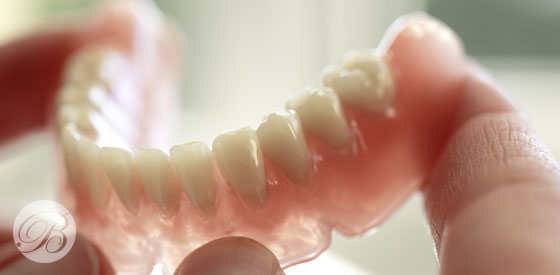
While losing natural teeth requires intervention, modern prosthetics provide reliable solutions for restoring your mouth’s function. Dentures replace missing dentition for patients with varied dental needs. Manufacturers design them to appear realistic, and they work efficiently to help you chew comfortably. Here are some innovations in denture technology and how they can benefit you:
Implant-supported Dentures
Traditional appliances rely on suction, but implant-supported dentures snap securely onto fixed metal anchors. Because these devices attach directly to posts, you avoid the slipping that can occur with standard plates. This technology provides a secure foundation for your new teeth. When the prosthetic stays in place, you speak clearly without movements.
This option may provide these benefits:
- Enhanced stability, minimizing movement, and improving comfort.
- Improved ability to chew a wide variety of foods.
- Greater ability to speak, without slipping or discomfort.
- Long-lasting and durable solution compared to traditional dentures.
- Better preservation of jawbone health.
Titanium Posts
A small titanium screw serves as the artificial tooth root. The dentist places this post surgically, and your jawbone begins the natural healing process immediately. While the site heals over several months, the biocompatible metal integrates fully with the surrounding bone. This integration forms a stable base for the dentures.
Since titanium is highly compatible with the body, rejection of the implant remains extremely rare. The surrounding bone tissue grows tightly around the threaded surface. This biological process creates a solid bond, and it provides lasting support for the final restoration. The post becomes part of you, so it functions like a natural tooth root.
The integrated post mimics a natural root, so it stimulates the jawbone to prevent deterioration. When you chew on the implant, the pressure signals the bone to maintain its density. This stimulation preserves your facial structure for the long term. Unless you stimulate the jawbone regularly, the bone causes changes to your face shape.
Acrylic Bases
Manufacturers typically use high-quality acrylic resin to create the denture base. Because this material is customizable, technicians aim to match the color to your natural gum tissue. The base supports the artificial teeth, and it rests comfortably against your soft oral tissues. It provides a smooth transition between prosthetics and gums.
The acrylic material is lightweight for comfort, yet it withstands the daily pressure of chewing. Advanced fabrication techniques aim for a precise fit for you. While gums change shape over time, your dentist adjusts the acrylic base to maintain stability. You visit the office for relining, and the dentist reshapes the surface for renewed contact.
Permanent or Removable Options
Before you decide on a treatment plan, you should review the differences between fixed and removable options. Removable overdentures snap out for cleaning, but fixed hybrid dentures remain permanently screwed into place. Select the option that fits your specific lifestyle requirements. If dexterity issues concern you, a fixed option eliminates the need for complex daily removal.
Look for these options:
- Removable overdentures
- Implant-supported bridges
- Screw-retained prosthetics
Schedule a Consultation for Dentures
A dental team evaluates your oral health to determine candidacy for dentures. If you need to replace missing teeth, schedule a comprehensive consultation at a general dentistry clinic. Call to book your appointment, and the staff will answer your questions about denture technology. Improve your oral health quality today and take the first step.