
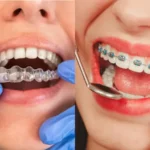
The Advantages of Clear Aligners Over Traditional Braces
February 27, 2026
The Role of a Consultation in the Breast Reduction Process
February 27, 2026
IV infusion therapy is sometimes used as a supportive option for people who want to address dehydration or replenish nutrients. IV therapy can deliver vitamins, minerals, and fluids directly into the bloodstream. This may be helpful for individuals who have difficulty tolerating oral supplements or who need rapid hydration. Here is an overview of the main benefits of IV therapy for immune support:
Supporting Immunity
IV infusion therapy delivers nutrients directly into your bloodstream through an intravenous line. This method allows for faster absorption compared to oral supplements, which must pass through the digestive tract. The digestive system limits how much of a nutrient your body actually absorbs, especially if you have conditions that affect gut health.
When nutrients enter the bloodstream directly, your cells can access them quickly. This can be helpful for individuals with vitamin deficiencies or people who struggle to absorb nutrients through food and oral supplements. Common nutrients used in IV therapy include vitamin C, B vitamins, zinc, and magnesium, all of which play roles in immune function.
Setting Realistic Expectations
IV therapy offers several benefits, and understanding which benefits are realistic can help set proper expectations. Here are some of them:
- Quick nutrient delivery: IV therapy delivers vitamins and minerals directly to your cells, which may be helpful if you have low levels of specific nutrients.
- Support during illness: Some people use IV therapy to recover from colds, the flu, or other illnesses.
- Energy boost: Certain nutrients like B vitamins may help with energy levels, especially if you have a deficiency.
- Hydration: IV therapy can provide rapid hydration, which may be beneficial after intense physical activity or illness.
IV therapy is not a substitute for medical treatment; if you have a compromised immune system or a serious health condition, consult your doctor before pursuing IV infusion therapy.
Staying Safe and Cautious
IV therapy is generally safe when administered by trained professionals in a medical setting. Not everyone is a good candidate for IV therapy. People with certain medical conditions, such as kidney disease, heart problems, or a history of allergic reactions, should be extra cautious. Overloading the body with certain vitamins and minerals can cause complications. Potential side effects from IV infusion therapy can include bruising at the injection site, infection, or allergic reactions. Choosing a reputable provider with proper medical oversight significantly reduces these risks.
Choosing the Right Infusion
Selecting a reliable provider for IV therapy is fundamental to your safety and the effectiveness of the treatment. Here are factors to contemplate when making your choice:
- Medical supervision: Make sure a licensed physician or qualified medical professional oversees the treatment.
- Customization: Look for providers who tailor IV formulas to your specific needs and vitamin deficiencies rather than offering one-size-fits-all solutions.
- Clean environment: The facility should follow strict hygiene protocols to prevent infections.
Qualified providers offer customizable IV therapy options that can be adjusted to meet daily needs or address specific vitamin deficiencies.
Schedule Your IV Infusion Therapy Appointment
IV therapy can be a helpful tool for supporting your immune system, especially if you have nutrient deficiencies or difficulty absorbing vitamins through food. While it offers benefits like quick nutrient delivery and rapid hydration, it works best when combined with a healthy lifestyle. To explore IV therapy as part of your wellness routine, contact a qualified healthcare provider in your area to schedule your IV therapy appointment today.