

Choosing the Right Dental Crowns for Your Unique Needs
February 27, 2026
Exploring the Benefits of Early Intervention for ADHD Symptoms
February 27, 2026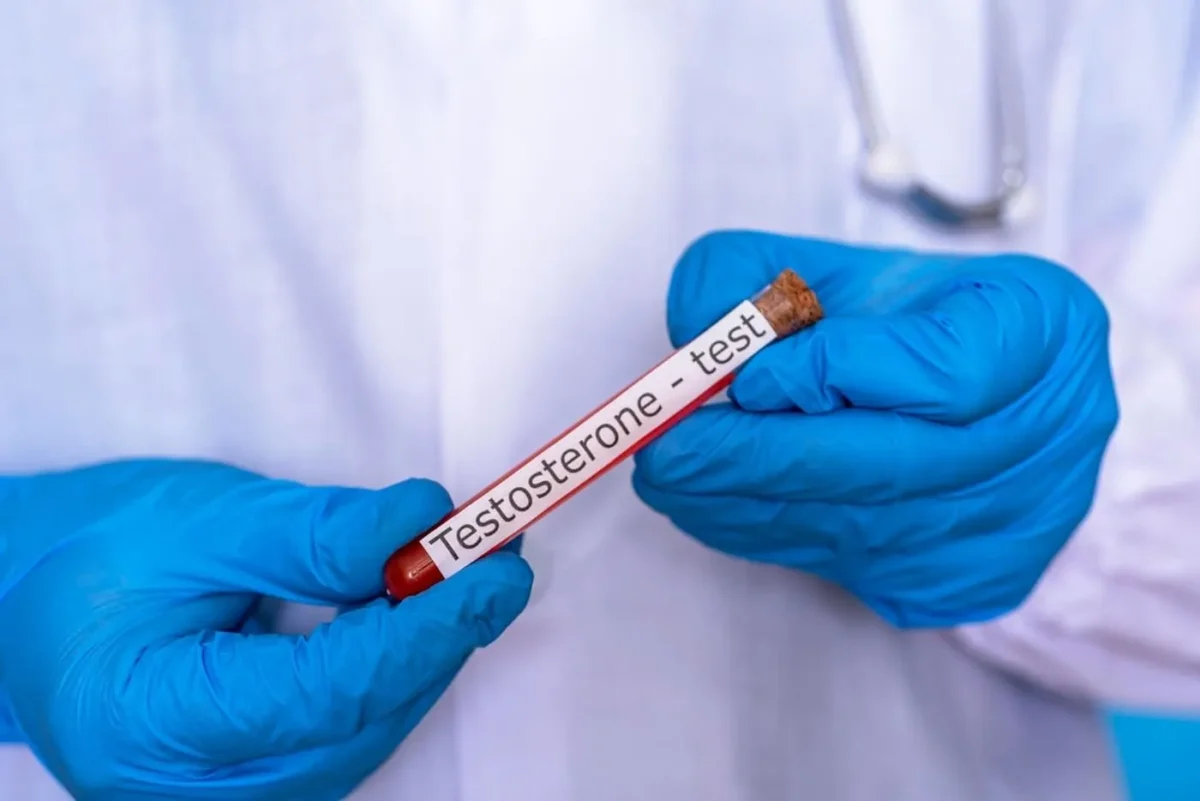
Testosterone replacement therapy (TRT) is a medical treatment used to restore testosterone to a healthy range in men with clinically confirmed low levels and related symptoms. Low testosterone can affect energy, mood, muscle mass, sexual function, and overall well-being. Evaluation involves a detailed health history, a symptom review, and repeat laboratory testing to confirm the diagnosis and rule out other causes. Here is more information on what to know about testosterone therapy:
Confirming Low Testosterone
Testosterone Replacement Therapy is appropriate for individuals who have clinically low or sub-optimal testosterone levels verified through blood work. They also experience symptoms related to low testosterone. These symptoms may include low sex drive, decreased muscle mass, lack of energy, sleeping difficulties, mood swings, memory loss, irritability, and symptoms of depression.
Blood work is key in confirming low testosterone; a healthcare provider will order laboratory tests to measure testosterone levels. If your results fall below the normal range and you experience symptoms, you may be a candidate for testosterone therapy. A gradual decline in testosterone levels can affect physical and emotional well-being, but TRT can restore balance.
Matching TRT Methods to Patients
Several delivery methods are available for TRT; healthcare providers select the most appropriate option based on lifestyle, preferences, and medical needs. Here are some of them:
- Testosterone Injections: A proven method for restoring testosterone levels effectively through intramuscular administration.
- Topical Testosterone Cream: A convenient and non-invasive option applied to the skin for individuals with low testosterone levels.
- Kyzatrex: An FDA-approved oral testosterone therapy that provides a convenient and effective way to restore testosterone levels without injections or topical applications.
Your healthcare provider will discuss these options with you and recommend the method that best fits your needs and lifestyle.
Setting Realistic Expectations
Testosterone replacement therapy works by restoring your body to a healthy testosterone range, which then gradually reverses the symptoms of low testosterone. Once a steady baseline dose of testosterone has been established, individuals often notice an improvement in their energy levels and quality of life. Benefits may include increased sex drive, improved mood, better concentration, and enhanced physical strength.
It’s helpful to have realistic expectations about TRT. Results do not happen overnight. Most individuals begin noticing improvements within several weeks to a few months after starting treatment. The timeline varies depending on the individual and the severity of testosterone deficiency. TRT is not a cure-all, but rather a treatment that addresses hormonal imbalance. While testosterone therapy can significantly improve symptoms related to low testosterone, it works best when combined with healthy lifestyle choices.
Monitoring TRT
Testosterone replacement therapy is generally safe when administered under medical supervision, but it requires monitoring to make sure it remains effective and safe. Key safety measures include:
- Regular Blood Work: Healthcare providers order periodic blood tests to monitor testosterone levels and make sure they remain within the target range.
- Medical Evaluation: Before starting TRT, a comprehensive medical evaluation is conducted to rule out conditions that may contraindicate testosterone therapy.
- Ongoing Monitoring: Healthcare providers schedule regular follow-up appointments to assess treatment effectiveness and monitor for any adverse effects.
Potential side effects of TRT may include acne, fluid retention, increased red blood cell count, sleep apnea, or mood changes. These side effects are manageable with proper monitoring and dosage adjustments.
Schedule Your Testosterone Replacement Therapy Consultation
TRT offers a proven approach to addressing low testosterone by restoring hormone levels to a healthy range. Candidates for TRT have clinically low testosterone confirmed through blood work and experience symptoms such as low energy, reduced sex drive, and difficulty concentrating. While TRT can improve quality of life, it requires ongoing monitoring to promote safety and effectiveness. If you suspect you have low testosterone, contact a trusted healthcare provider near you to schedule your consultation today.