

3 Benefits of Ankle Replacement
July 8, 2026
Understanding the Impact of Hypertension on Your Heart Health
July 9, 2026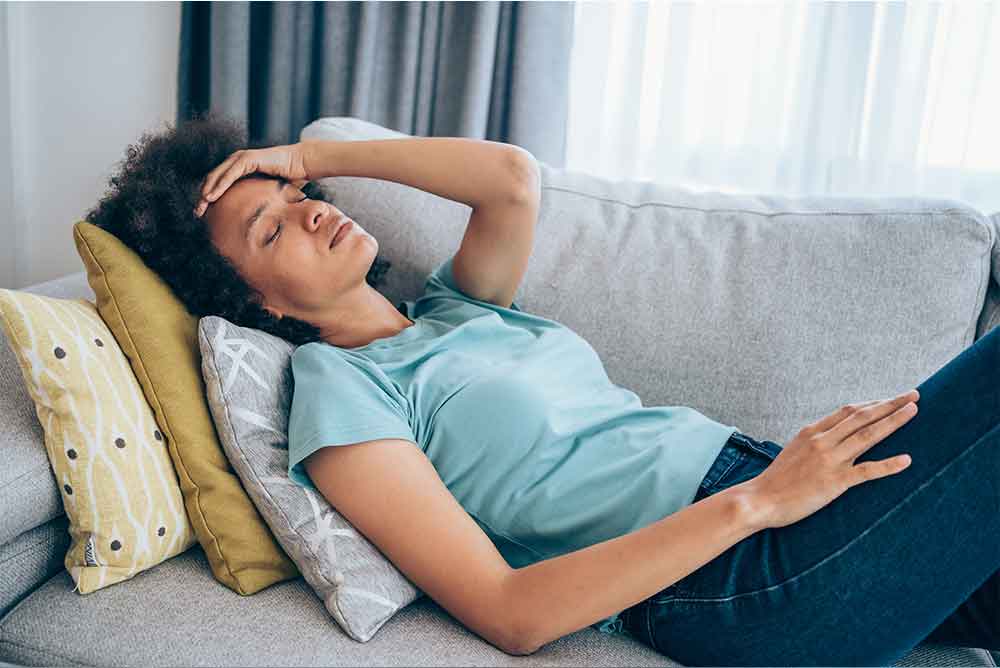
Migraines can disrupt your work, sleep, and daily routine. Many patients ask about natural migraine relief options before or alongside medication. Discuss practical remedies you can try, since each one has support in clinical practice. Some methods ease symptoms quickly, and others work best as steady habits.
Habits That Reduce Migraines
Small daily changes often make a measurable difference. Regular exercise supports circulation, and gentle movement can lower migraine frequency over time. Walking is a simple, accessible starting point that requires no equipment. Aim for at least 30 minutes of moderate activity most days, and keep the pace steady rather than intense. High-intensity workouts can sometimes trigger an attack. Sleep consistency is another key factor. Going to bed and waking up at the same time each day helps regulate your body’s internal clock, and disrupted sleep patterns are a well-known migraine trigger.
Aim for seven to nine hours per night, and try to limit screen use before bed to support better sleep quality. Caffeine intake also ties into your daily routine. Moderate amounts support natural migraine relief, but irregular use may lead to rebound headaches, so keeping your daily intake consistent is a practical protective step. Hydration matters, too. Dehydration is a common trigger, so drinking enough water each day is a basic protective step. A general target is eight glasses per day, but your needs may be higher if you exercise or live in a warm climate. Carry a water bottle with you. Sip consistently throughout the day rather than drinking large amounts at once.
Techniques for Physical Relief
Several hands-on and sensory methods can ease pain during an attack. Hot and cold therapy is one of the most accessible options. A cold pack on your forehead or neck may numb the area, so use it to reduce inflammation. Heat on your shoulders or the back of your neck can relax tense muscles that contribute to head pain. Experiment with both to find what works best for you, since responses vary from person to person. Trigger point injections are another physical option your provider may discuss. Both are best explored with a specialist who can assess whether they fit your overall plan.
Mindfulness and Relaxation Methods
Here are some effective relaxation techniques to try:
- Slow breathing: Inhale for four counts, hold briefly, and exhale slowly to activate your parasympathetic nervous system and reduce tension.
- Progressive muscle relaxation: Work through each muscle group from your feet upward, tensing and releasing each one in turn to draw attention away from pain and release physical tension.
- Guided meditation or mindfulness: Apps and audio recordings make these accessible with no specialized training; start with just five minutes a day.
- Quiet rest: During an attack, resting in a dark, cool room is a simple but effective companion to other techniques.
Biofeedback is a structured method worth discussing, since it may bring you relief. A trained therapist guides you using sensors that provide real-time feedback on muscle tension, heart rate, and skin temperature. Over time, you learn to recognize early warning signs and respond before a full attack develops. The skills you build carry over into daily life, so you become less reliant on reactive treatment alone.
Start Natural Migraine Relief
Natural remedies work best as part of a complete plan. Your provider can review your triggers and history in detail. They may also recommend vitamins, herbal supplements, or complementary medicine, since your care stays tailored to your needs. Call the office or book online to schedule your visit, and take a practical first step toward fewer migraine days.
- The Link Between Hormone Replacement Therapy and Improved Quality of Life
- Streamlining Your Kitchen and Bathroom Remodeling for Efficiency
- Benefits of Self-Care in Mental Health Maintenance
- Effective Home Remedies and Care Tips for Coping with Bunions
- Understanding the Benefits and Risks of Cataract Surgery