
Evaluating Pain Management Techniques for Older Adults
July 9, 2026
The Role of Internal Medicine in Preventing Depression in Seniors
July 9, 2026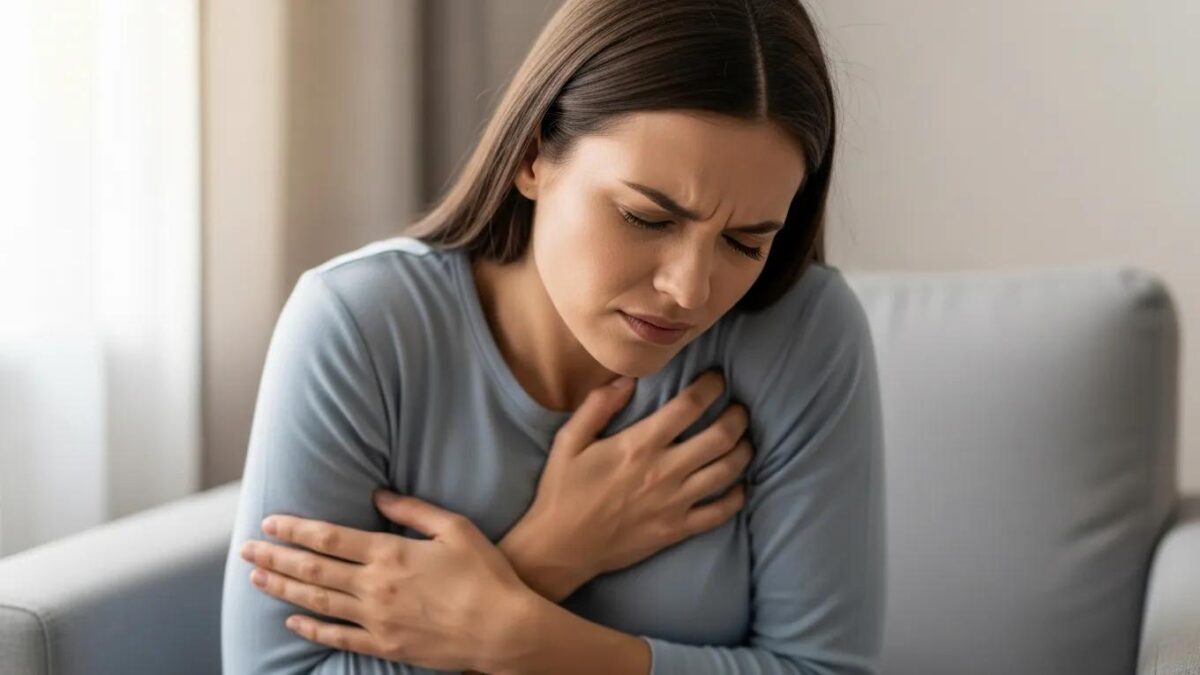
Chest pain can vary from a dull ache to intense pressure, and the underlying causes are varied. While some are entirely benign, others are life-threatening cardiac emergencies that require rapid treatment. Understanding the basics helps patients make faster, better-informed decisions about their care. Here is more information on chest pain and when to seek professional care:
What Is Chest Pain?
Chest pain refers to any discomfort, tightness, burning, or pressure felt between the neck and the upper abdomen. The sensation may radiate outward to the jaw, arms, neck, or back, making it difficult to identify without a medical evaluation. Not every case originates in the heart, though cardiac causes are among the most medically serious. A clinical assessment helps determine what is causing the pain.
What Causes It?
This type of pain can arise from a variety of cardiac and non-cardiac etiologies that require clinical differentiation. Causes include:
- Cardiovascular conditions, such as coronary artery disease and heart attack
- Gastrointestinal disorders, including gastroesophageal reflux (acid reflux)
- Pulmonary conditions, such as a pulmonary embolism
- Musculoskeletal factors, including muscle strain
These diverse causes may present with overlapping symptoms, so comprehensive diagnostic testing is key to enabling an accurate diagnosis.
What Are the Treatment Options?
Treatment depends on its underlying cause, and a cardiologist will evaluate the diagnosis before recommending a care plan. Options range from day-to-day lifestyle adjustments to complex interventional procedures, with some patients benefiting from a combination of strategies. Modifying diet, increasing physical activity, and quitting smoking can slow the progression of heart disease. These strategies are most effective when sustained over the long term.
Medications target specific aspects of cardiovascular disease. They can help reduce heart rate and blood pressure and improve blood flow to the heart muscle. A cardiologist selects the appropriate combination based on the individual patient’s diagnosis and medical history. Heart catheterization involves guiding a thin, flexible tube through a blood vessel to reach the heart, allowing physicians to directly identify blockages.
Pacemakers are small, implanted devices that regulate abnormal heart rhythms by delivering electrical impulses to the heart. They may be recommended for patients with diagnosed arrhythmias, and the implantation procedure is minimally invasive. Patients may report a significant improvement in symptoms and daily function after the device is placed, thereby enhancing quality of life.
When Should Patients Seek Help?
Some cases require immediate emergency care. Patients should call 911 or go to the nearest emergency room if they experience chest pain accompanied by shortness of breath, sweating, nausea, or pain radiating to the left arm or jaw, as these symptoms may indicate a heart attack. Timely treatment affects the extent of heart muscle damage, and prompt action is beneficial.
Chest pain that is new, severe, or different from anything previously experienced should be evaluated promptly. Even if a patient has been diagnosed with a non-cardiac cause in the past, a new episode warrants medical attention, and assuming familiarity with the symptom can delay diagnosis of a more serious underlying condition. Delayed evaluation can increase the risk of missing a diagnosis. Any questions about the cause of chest pain are reason enough to seek professional evaluation sooner rather than later, as early assessment helps rule out more serious conditions.
Consult a Cardiologist Today
Chest pain causes range from mild and non-cardiac to severe and life-threatening, and a qualified physician can determine which category applies. A cardiologist will conduct a thorough evaluation, order appropriate tests, and develop a personalized treatment plan suited to your condition. If you experience this type of pain, schedule an appointment with a cardiologist.
- The Link Between Hormone Replacement Therapy and Improved Quality of Life
- Streamlining Your Kitchen and Bathroom Remodeling for Efficiency
- Benefits of Self-Care in Mental Health Maintenance
- Effective Home Remedies and Care Tips for Coping with Bunions
- Understanding the Benefits and Risks of Cataract Surgery