
What To Know About IVF Service
July 10, 2026
Understanding the Symptoms of Athlete’s Foot and When To Seek Help
July 10, 2026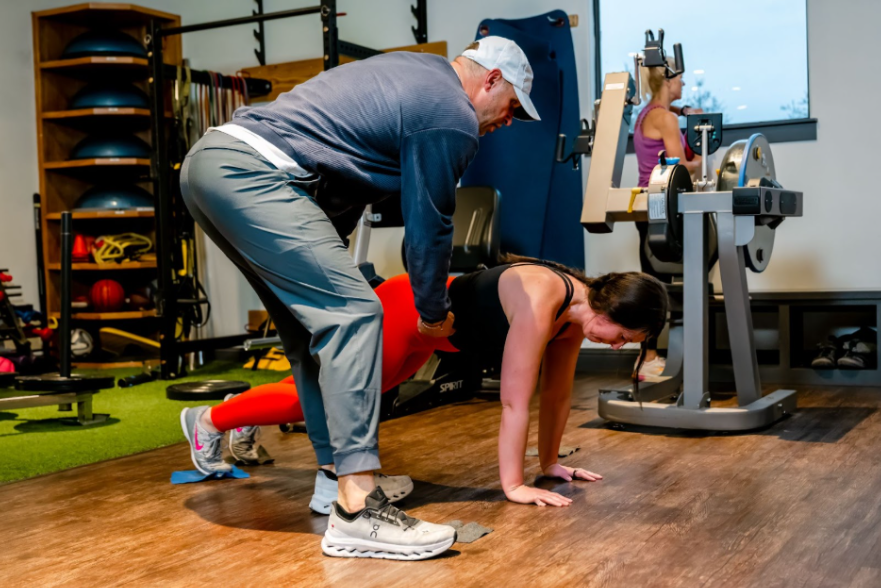
Lower back pain affects millions of people, and sports injuries can be a contributing cause. The pain potentially limits mobility, disrupts training schedules, and reduces overall quality of life. By understanding the condition and making targeted activity modifications, patients can manage their symptoms more effectively and support long-term recovery.
What Is Lower Back Pain?
Lower back pain refers to discomfort or stiffness in the lumbar region, which is the area of the spine between the rib cage and the pelvis. It ranges from a dull, persistent ache to sharp, debilitating pain. For sports injury patients, this can mean difficulty bending, lifting, or engaging in physical activity, and these limitations have the potential to disrupt training and daily routines.
The lumbar spine supports much of the body’s weight, and this makes it susceptible to strain. When the structures in this region, muscles, discs, ligaments, or nerves, are compromised, pain signals are triggered. Understanding the nature of the pain forms the foundation for effective management and recovery.
What Causes It?
Sports-related back pain commonly stems from muscle strains, ligament sprains, or disc injuries. Repetitive physical stress, sudden movements, and poor biomechanics are frequent contributors. Contact sports, weightlifting, and high-impact activities place significant demand on the lumbar region, increasing the risk of injury. Postural habits also play a role; prolonged sitting with poor spinal alignment can aggravate existing injuries. Weak core muscles further compound the problem.
What Activity Modifications Can Help?
Adjusting how everyday tasks are performed may reduce strain on the lower back. Movement and posture adjustments are a practical starting point, and they include:
- Avoid bending forward at the waist when lifting objects; use a hip-hinge technique instead
- Sit in a chair that supports the natural lumbar curve, and avoid slouching
- Take frequent breaks from prolonged sitting by standing or walking for a few minutes regularly
During physical activity, pacing is key. Reduce the intensity and duration of training sessions to allow inflamed tissue to recover. Low-impact alternatives maintain cardiovascular fitness without placing excessive load on the lumbar spine. Introducing gentle core-strengthening exercises, as directed by a clinician, helps rebuild the muscular support system that protects the lower back.
How Is Professional Guidance Beneficial?
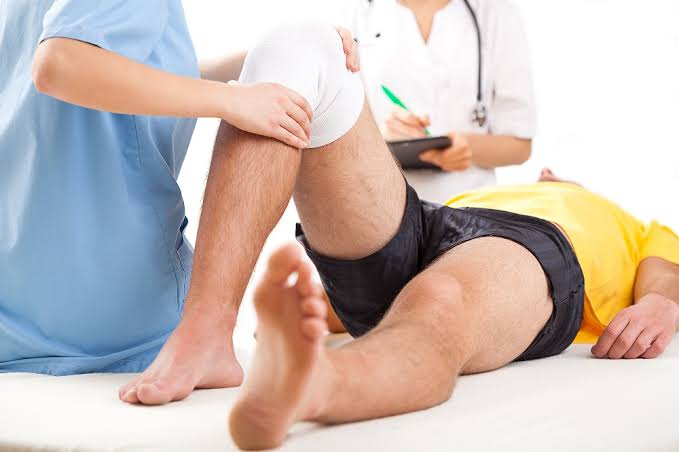
Although self-directed care may be beneficial, activity modifications are most effective when they are guided by a qualified rehabilitation professional. A clinician can assess the specific nature of the injury. They identify movement patterns that aggravate pain, and they design a structured recovery program tailored to the patient’s condition.
Physical therapists may use manual therapy and targeted exercise prescriptions to address pain in the lower back. These specialists can advise on safe return-to-sport timelines, and they monitor recovery intensity. This structured oversight helps reduce the likelihood of re-injury. Recovery from sports-related lower back pain is a varied process, so a trained clinician adjusts the treatment plan as symptoms change.
Visit a Rehab Clinic
Lower back pain is a manageable condition when approached methodically. Understanding the source of the pain, making deliberate modifications to daily activity, and seeking professional rehabilitation support facilitate an effective recovery. Each element reinforces the others, and together they form a comprehensive plan to return to full function. If you experience pain in the lower back, contact our rehabilitation clinic. Early intervention can shorten recovery timelines and reduce the risk of chronic pain development.
- The Link Between Hormone Replacement Therapy and Improved Quality of Life
- Streamlining Your Kitchen and Bathroom Remodeling for Efficiency
- Benefits of Self-Care in Mental Health Maintenance
- Effective Home Remedies and Care Tips for Coping with Bunions
- Understanding the Benefits and Risks of Cataract Surgery