

How To Modify Your Daily Activities To Reduce Lower Back Pain
July 10, 2026
What You Should Know About Cataracts and Aging
July 10, 2026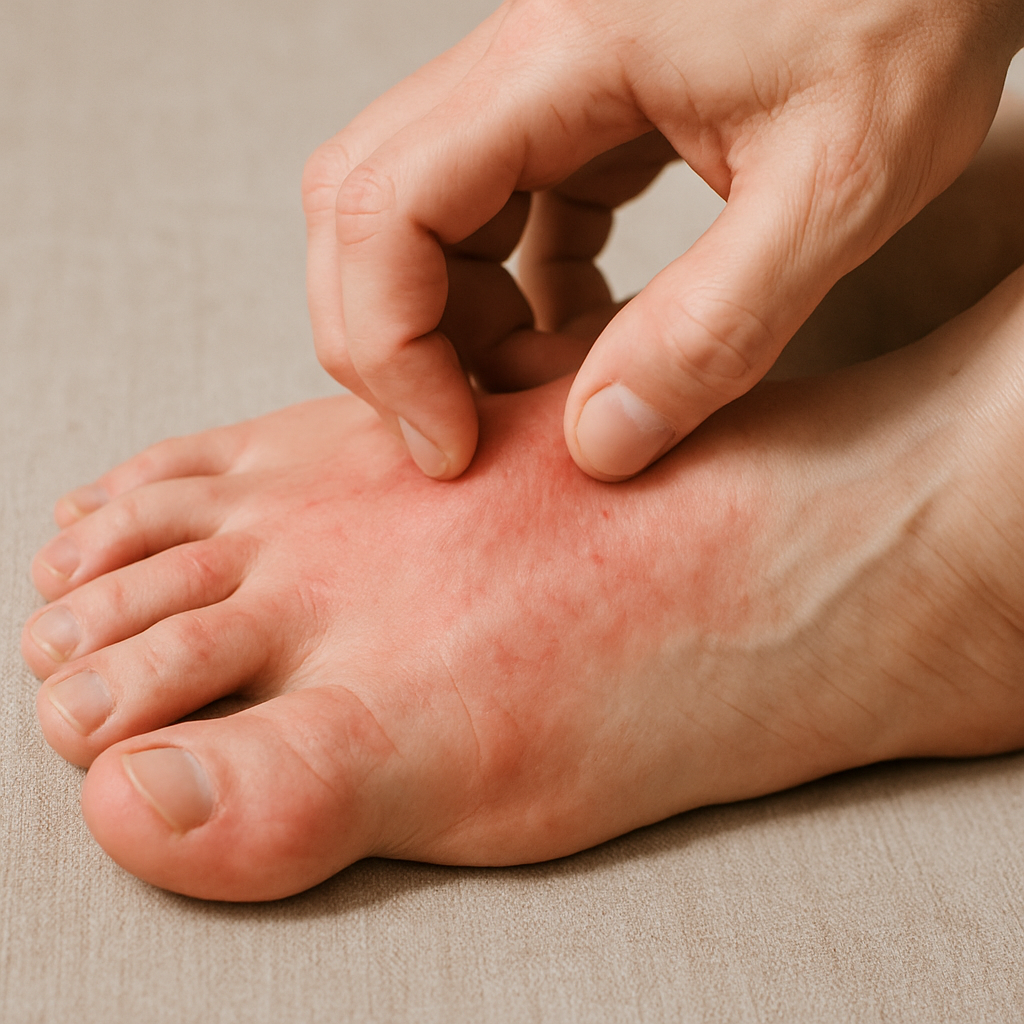
Athlete’s foot is a fungal infection that causes itching, burning, and skin changes between the toes and on the soles of the feet, affecting quality of life. It spreads through direct contact with contaminated surfaces, and it may respond well to antifungal treatment. Persistent or worsening symptoms warrant professional podiatric care. Understanding the condition, including its causes, signs, and limits, allows patients to make informed decisions about their foot health.
What Is Athlete’s Foot?
Athlete’s foot, known medically as tinea pedis, is a fungal infection of the skin on the feet. It most frequently develops between the toes, though it can extend to the soles, heels, and sides of the feet. The condition is contagious, and it shares characteristics with other fungal infections, such as ringworm and jock itch, all of which are caused by the same family of fungi called dermatophytes.
What Causes It?
Dermatophytes thrive in warm, moist environments. Since these organisms multiply in damp areas, they are commonly found on the floors of public swimming pools, locker rooms, and communal showers. Tight, non-breathable footwear traps sweat against the skin, and this accumulated moisture creates an environment conducive to rapid fungal growth.
Although direct skin-to-skin contact is a primary mode of transmission, the fungus also spreads indirectly through shared personal items such as towels, socks, and shoes. Certain physiological factors increase an individual’s susceptibility to the infection. Individuals with weakened immune systems face a higher risk of contraction, and a compromised skin barrier provides an immediate entry point for the pathogen.
What Are the Symptoms?
Symptoms vary depending on the type and severity of the infection. Affected areas may feel itchy or burn, especially after removing shoes and socks. Other presentations include:
- Blisters: Small, fluid-filled blisters sometimes form on the soles or sides of the feet, which can rupture and leave raw, exposed skin
- Dry, scaly skin: The soles and heels may develop thick, flaking patches that resemble chronic dryness
- Discoloration and odor: Infected skin may appear red, inflamed, or display a whitish, softened texture accompanied by an unpleasant odor
Some patients experience only mild itching, while others develop open sores that increase the risk of secondary bacterial infection.
When Is Professional Care Necessary?
Over-the-counter antifungal creams can resolve mild cases. Consistent application is required throughout the full treatment period, and patients may continue use even after symptoms begin to subside. If treatment is stopped prematurely, the infection is likely to return.
Professional care becomes necessary when symptoms persist beyond a few weeks of over-the-counter treatment or worsen despite consistent use of the product. Patients with diabetes or circulatory conditions should consult a podiatrist at the first sign of infection, as these conditions impair the body’s ability to heal effectively. A minor fungal infection can quickly become a serious complication; early intervention is beneficial for these patients.
A podiatrist can prescribe antifungal medications for infections that do not respond to topical treatments. These prescription-strength options work systemically, and they target the infection from within the body rather than at the surface. When a secondary bacterial infection is also present, antibiotics may be required alongside antifungal therapy to provide comprehensive treatment.
Seek Medical Intervention Today
Athlete’s foot is a manageable condition when identified and treated promptly. Mild infections may respond well to over-the-counter antifungal treatment, though persistent, worsening, or complex cases require professional podiatric assessment and prescription intervention. If symptoms are not improving, schedule an appointment with a podiatrist.
- The Link Between Hormone Replacement Therapy and Improved Quality of Life
- Streamlining Your Kitchen and Bathroom Remodeling for Efficiency
- Benefits of Self-Care in Mental Health Maintenance
- Effective Home Remedies and Care Tips for Coping with Bunions
- Understanding the Benefits and Risks of Cataract Surgery