
Identifying Underlying Causes of Chronic Coughs
July 10, 2026
Preparations for a Smooth Pregnancy
July 10, 2026
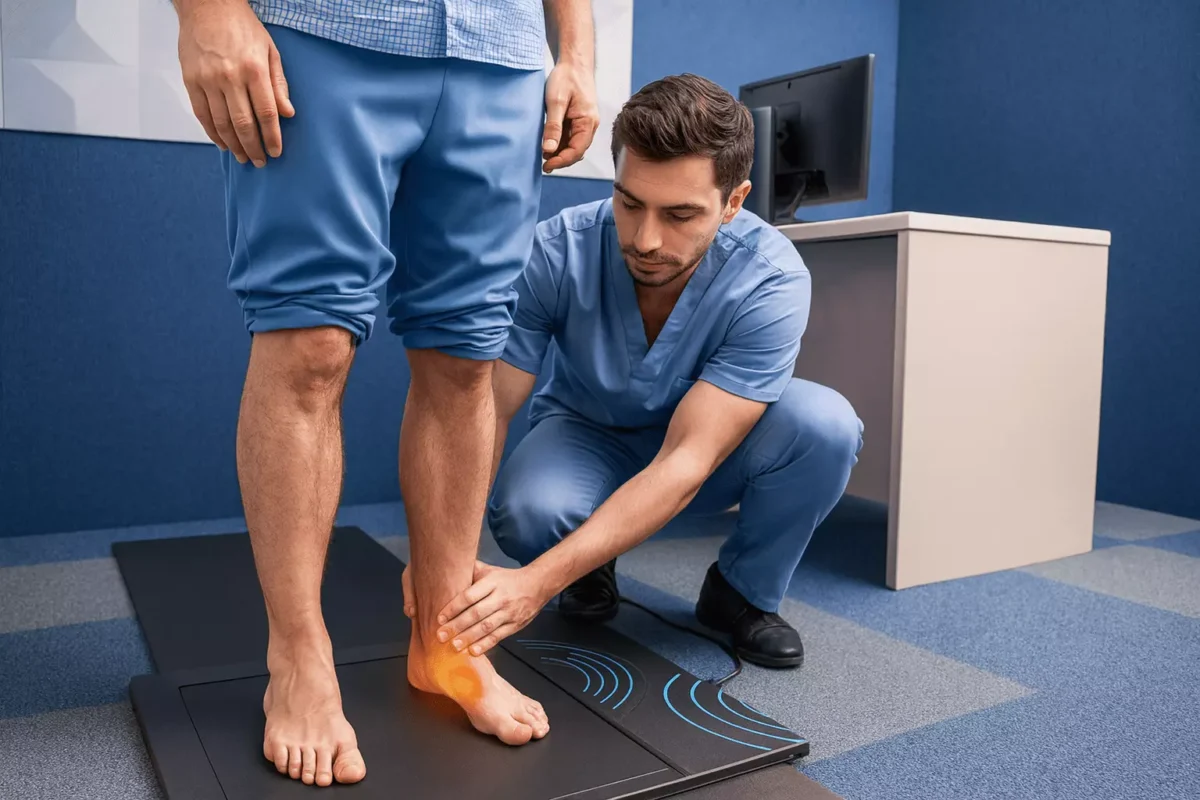
Sports medicine focuses on injuries linked to movement, exercise, and physical strain, and providers in this field treat muscles, joints, tendons, and nerves. They pair diagnostic tools with treatment plans, and they tailor each approach to your body. Since injuries vary widely, your care depends on the type and severity of the problem. This is how sports medicine can help treat injuries:
Starting With Conservative Therapies
Conservative therapies come first for many injuries. These options avoid surgery, and they give your body time to heal. When a strain or sprain limits your movement, a provider may start with rest and guided exercise.
Physical therapy strengthens the tissue around an injured area. Your sports medicine provider builds a plan that matches your goals, and progress typically happens in stages. Simple measures at home also support this work.
Conservative options include:
- Rest and activity changes
- Ice and heat application
- Therapy sessions
- Braces or taping
Delivering Injections and Nerve Blocks
Injections target pain and swelling at the source. A provider places medication near the injured tissue, and results depend on your condition. When inflammation builds inside a joint, a corticosteroid injection may reduce it.
Nerve blocks interrupt pain signals along specific nerves. Since these treatments are precise, providers use imaging to guide the needle. This approach helps calm pain so you move more comfortably.
These treatments can be especially beneficial for individuals dealing with chronic pain, as they provide targeted relief. Providers ensure a comfortable experience by using advanced techniques and precise imaging tools. While some patients experience immediate improvements, others may notice gradual relief over time, depending on the severity and nature of their condition.
Providing Radiofrequency Ablation
Radiofrequency ablation uses heat to treat nerves that send pain signals. A provider applies controlled energy to a targeted nerve, and the process happens through a thin needle. When other treatments fall short, this option may follow, and the procedure suits certain types of joint and back pain. Your provider first confirms the source with a diagnostic test. Results vary from person to person, and follow-up visits track your progress.
Performing Surgical Repairs
Surgery becomes an option when tissue damage is severe. A torn ligament often needs direct repair, and imaging confirms the extent first. Providers reserve surgery for cases that do not respond to earlier steps.
Different injuries call for different procedures. Minimally invasive methods use small incisions, and recovery plans follow each surgery. Your care team maps out the timeline before you begin.
Surgical repairs may address:
- Torn ligaments, such as the ACL
- Rotator cuff damage
- Meniscus tears
- Fractures that need fixation
Recovery after surgery takes time and structured effort. Physical therapy usually follows, and your provider monitors each stage. As every case differs, your rehab plan reflects your specific injury.
Find Sports Medicine Care Today
Sports medicine offers a range of treatments for common injuries. Providers match each plan to your needs, and they adjust care as you heal. When pain or limited movement affects your daily life, professional guidance helps you understand your options. Contact a sports medicine provider today to schedule your consultation.
- The Link Between Hormone Replacement Therapy and Improved Quality of Life
- Streamlining Your Kitchen and Bathroom Remodeling for Efficiency
- Benefits of Self-Care in Mental Health Maintenance
- Effective Home Remedies and Care Tips for Coping with Bunions
- Understanding the Benefits and Risks of Cataract Surgery