
Understanding Transitional Housing Programs
July 11, 2026
How Child Psychiatrists Support Developmental and Emotional Needs
July 12, 2026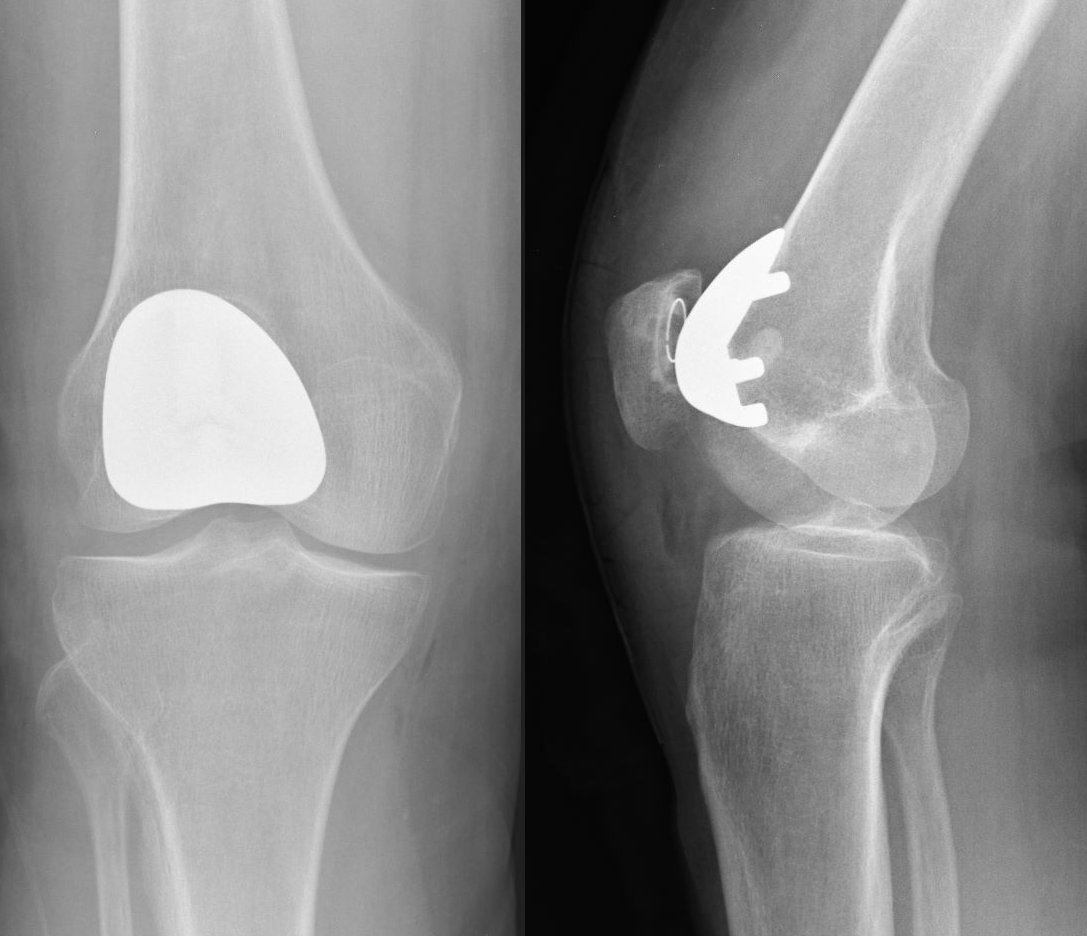
Knee pain can interfere with the daily movement of many adults. For people who have tried other treatments without lasting relief, knee replacement surgery may become a topic of discussion with their doctor. This procedure has helped many individuals regain mobility, and it can prompt a return to their regular routines.
What Is Knee Replacement Surgery?
Knee replacement surgery, also called knee arthroplasty, is a procedure in which a surgeon removes damaged portions of the knee joint. They then replace them with artificial components. These components may be made from metal or plastic, and they mimic the natural movement of a healthy knee.
There are two main types of this surgery. A total knee replacement addresses the entire joint, but a partial knee replacement targets only the damaged section. The choice between the two depends on the extent of the damage, as well as the recommendation of the surgical team.
Surgeons reshape the ends of the thigh bone and shin bone to fit the new parts. The kneecap may also be resurfaced, but this depends on the condition of the joint. Once the components are in place, they allow the knee to bend and support weight in a manner similar to the original joint.
What Is It For?
Knee replacement surgery is generally associated with conditions that cause ongoing joint deterioration. The most common reason people undergo this procedure is arthritis, and several forms of arthritis can affect the knee. Osteoarthritis develops when the protective cartilage that cushions the bones gradually breaks down. As the cartilage thins, the bones may rub together, leading to stiffness and reduced motion. This form is more frequently seen in older adults.
Rheumatoid arthritis is an autoimmune condition in which the body’s immune system attacks the lining of the joints; this can damage the cartilage and surrounding tissue over time. Beyond arthritis, knee replacement may be discussed for individuals with significant joint deformity or those whose knee function has declined to the point where everyday activities feel restricted. A surgeon usually recommends this procedure after other approaches, such as medication, physical therapy, or lifestyle changes, have been explored without producing the desired outcome.
What Should You Expect?
Understanding the general path of knee replacement can help patients feel more prepared. Before surgery, the medical team may perform an evaluation that includes physical exams and imaging tests. These steps allow the surgeon to plan the operation, and it helps them select the appropriate components. Patients can receive guidance on how to prepare for recovery.
The patient receives anesthesia so that no pain is felt during the procedure. The surgery itself commonly lasts one to two hours, but the exact length varies. After the operation, patients are monitored as the anesthesia wears off.
The recovery phase begins in the hospital, where staff help patients begin moving the new joint. Physical therapy plays a large role in rebuilding strength and flexibility. Full recovery timelines differ from person to person, and the surgical team provides instructions tailored to each patient. Following these instructions supports steady progress and helps reduce the risk of complications.
Confer With a Surgeon
Deciding whether knee replacement is the right step is a process that benefits from professional guidance. A surgeon can examine the condition of the joint and explain the available options. Every knee is different, and the best path forward depends on individual circumstances. An informed conversation allows patients to weigh the potential outcomes and make choices that align with their goals for movement and quality of life.
- The Link Between Hormone Replacement Therapy and Improved Quality of Life
- Streamlining Your Kitchen and Bathroom Remodeling for Efficiency
- Benefits of Self-Care in Mental Health Maintenance
- Effective Home Remedies and Care Tips for Coping with Bunions
- Understanding the Benefits and Risks of Cataract Surgery