

Recognizing and Managing Seasonal Allergies
July 20, 2026
Benefits of Botox Treatments
July 20, 2026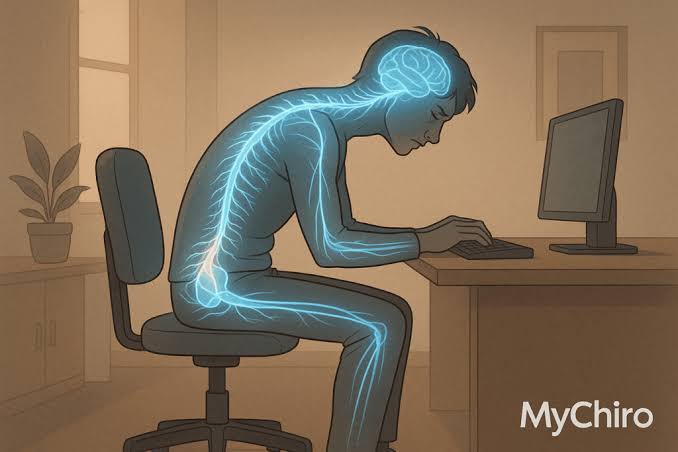
Back pain affects many people every year, and it disrupts daily routines. Poor posture is one major cause, and it strains the structures that support your spine. When you slouch or hunch for hours, your body adapts in ways that lead to discomfort. This is how posture shapes back pain and what you might do about it:
Mechanical Stress
Your spine holds a natural curve, and good posture keeps that curve balanced. Slouching shifts your weight forward. When your head tilts ahead of your shoulders, the muscles in your neck and upper back work harder to hold it up. This added load creates mechanical stress across your spinal joints and discs.
Certain habits cause mechanical stress more than others. The following positions place extra strain on your back:
- Sitting slumped for long periods
- Looking down at a phone for hours
- Standing with locked knees and a forward head
Each posture pulls your body out of alignment, and small imbalances add up over time. As the strain builds gradually, you might not notice it at first. Over months, this constant pressure wears on your joints.
Increased Pain
Poor posture often leads to more frequent aches. When muscles stay tense for long stretches, they tire and start to hurt. You might feel tightness in your lower back after a full day at a desk. Trigger points may also form, and they refer pain to nearby areas.
Back pain patterns differ from person to person. If your posture stays poor for weeks, mild soreness may turn into sharp discomfort. Some people feel stiffness in the morning, and others notice pain that grows through the day.
These shifts trace back to how you sit and stand. Improving posture can significantly reduce these symptoms, but it requires consistent effort, such as engaging in stretching routines, adjusting your workspace ergonomics, and being mindful of body alignment throughout the day, which can prevent the progression of pain over time.
Reduced Muscle Strength
Muscles weaken when they stop doing their job. Slumping lets some muscles switch off while others overwork. Since your core stabilizers relax during poor posture, they lose strength over time. This imbalance leaves your spine with less support.
Weak muscles struggle to hold you upright, and that struggle feeds back into more slouching. If your back muscles fatigue quickly, you might lean on chairs or desks for support. Over time, this cycle reduces your overall stability. Regular movement helps break the pattern.
Higher Injury Risk
Poor posture raises your chance of injury during everyday tasks. When your spine sits out of alignment, a simple bend or lift may strain it. You might tweak your back while reaching for a bag or standing up too fast. Small movements turn risky when your muscles are already tired.
Some activities carry more risk when your posture is poor:
- Lifting heavy objects with a rounded back
- Twisting suddenly while seated
- Carrying bags on one shoulder
When your body lacks proper support, these actions may cause sprains or disc problems. If an injury happens, recovery often takes time and rest. Better alignment lowers the odds of these setbacks.
Get Treated for Back Pain
Posture plays a clear role in how your back feels and functions. Poor alignment adds stress, weakens muscles, and raises injury risk. If back pain interferes with your daily life, a professional evaluation helps identify the cause. Schedule an appointment today to talk with our staff about your back pain.