

What You Need to Know About Morton’s Neuroma and Its Treatments
July 20, 2026
How Telemedicine is Transforming Accessible Healthcare
July 20, 2026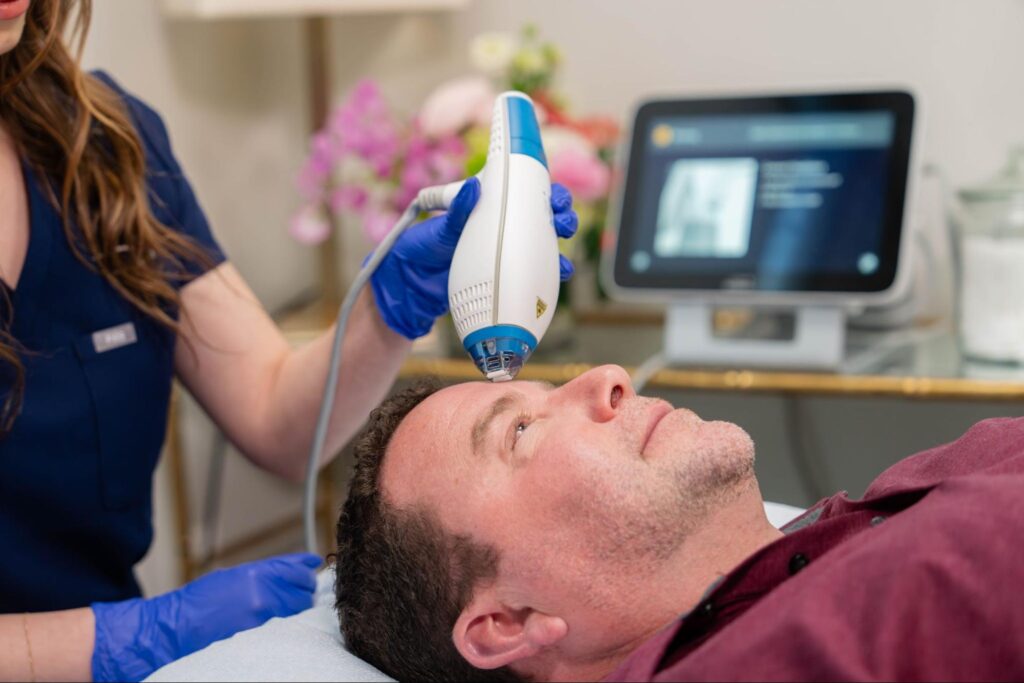
Laser technology addresses a range of cosmetic and medical concerns by targeting specific areas of the skin with controlled energy. Each treatment is designed for a particular purpose, such as reducing unwanted hair and minimizing visible signs of aging. Here is a closer look at the different types of laser treatments available:
Reducing Hair
Laser hair reduction directs light energy toward the pigment inside hair follicles, and the follicle absorbs that energy. Over a series of sessions, treated follicles produce finer, sparser hair, and people often schedule this laser treatment for areas like the legs, underarms, or face. Here are several factors that influence how a hair reduction plan works:
- Number of sessions: Hair grows in cycles, so multiple visits target follicles at different growth stages.
- Skin and hair type: Contrast between hair pigment and skin tone affects how the device is calibrated.
- Treatment area: Larger zones take more time, while smaller areas often finish quickly.
These details vary from person to person, and a qualified provider reviews them during your visit.
Rejuvenating the Skin
Clear + Brilliant is a gentle laser treatment designed to refresh the surface and deeper layers of the skin. The device creates tiny zones of treated tissue, and the surrounding skin supports the renewal process. People often choose this option to address early signs of aging, uneven texture, or dullness, and the sessions are generally short. The treatment works gradually, so results build over a course of appointments. A trained technician moves the handpiece across the target area. Clients often pair this treatment with a consistent skincare routine, and that supports the overall goal of smoother-looking skin.
Correcting Pigmentation
Intense Pulsed Light, or IPL, is a light-based laser treatment that targets visible pigment concerns such as sun spots and uneven tone. The device releases broad-spectrum light, and the pigment in the skin absorbs that energy. Over time, treated spots may fade; IPL appeals to people who want a more even complexion without surgery. Here are some common concerns that people often address with IPL:
- Sun spots: Areas darkened by sun exposure that IPL can help lighten over several sessions.
- Redness: Visible flushing or vascular marks that may respond to targeted light energy.
- Uneven tone: Patchy pigmentation that gradually blends with a series of treatments.
Discussing these concerns during a consultation helps to set clear expectations and guides the treatment schedule.
Choosing the Right Treatment
Selecting a laser treatment starts with identifying your primary concern. Someone focused on unwanted hair leans toward laser hair reduction, while a person addressing texture may prefer Clear + Brilliant. A professional evaluation is a key step, and it accounts for your skin type, medical background, and desired outcome. During this appointment, you can ask questions, and the provider explains what each treatment involves. Session count and recovery time also influence your choice, so evaluate these factors. Some treatments require several visits, while others involve minimal downtime, and your lifestyle plays a role in the decision.
Book Your Laser Treatment Evaluation
Laser treatment covers a range of options, and each one targets a specific concern, including unwanted hair and uneven skin tone. Choosing the right treatment requires a thorough understanding of your goals, the options available, and the associated factors. Consulting a specialist makes sure that all your questions are addressed and that you are fully informed before moving forward. Contact a reputable med spa near you to book your laser treatment evaluation today.