

The Connection Between Gynecological Health and Mental Wellbeing
July 21, 2026
Exploring the Benefits of Cosmetic Dermatology for Skin Health
July 21, 2026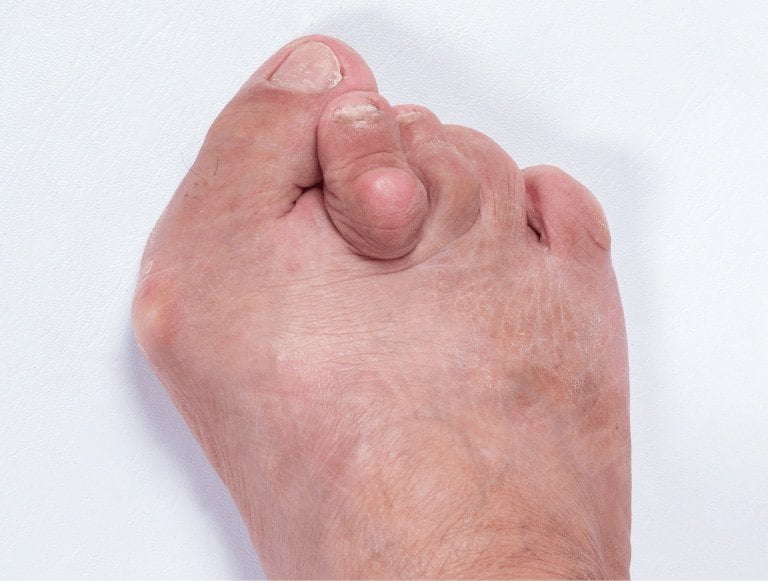
A bunion is a bony bump that forms at the base of your big toe, and it develops when bones in the front of your foot shift outward. Many people notice bunions slowly over years, and the change may become visible during middle age. If you feel pressure along the inside of your foot, a bunion may be forming. Here are the causes, symptoms, and treatment options for this foot condition:
Bunion Causes
Foot structure plays a large role, and genetics pass certain shapes from parent to child. Some people inherit a foot type that makes the joint more likely to shift. Tight shoes add pressure, and narrow toe boxes squeeze the front of the foot for hours. When you wear such shoes daily, the joint takes on steady strain.
Arthritis contributes too, and inflammation in the joint changes how bones align. Rheumatoid arthritis may lead to a bunion because it attacks joint tissue directly. Foot injuries also matter. If you injure the toe joint, the damage may speed up bunion growth over time.
Bunion Symptoms
You often notice the bump first, and the skin over it may turn red or feel warm. When you have this condition, pain follows as the joint absorbs more pressure during walking. Watch for these signs of bunions:
- Bump at the big toe joint
- Tenderness or swelling around the area
- Stiffness that limits toe movement
- Corns or calluses where toes overlap
Symptoms range from mild to severe, and daily activity makes them worse. Standing for long periods tends to increase discomfort. Some people feel a burning sensation near the joint. If the pain limits your movement, a podiatrist can assess the joint and measure its position.
Bunion Treatments
Treatment typically focuses on reducing pressure and easing pain, and several methods work together for many patients. Your options depend on the size of the bunion and your symptoms. While a podiatrist maps out a plan after examining your foot, there are treatments that address different needs.
Custom orthotics support the foot, and these inserts redistribute weight across the sole. A specialist molds them to match your foot shape. Orthotics are used to slow the joint shift, though results vary by case. If pressure drops, walking often feels steadier.
Icing is used to lower swelling, and a short session after activity calms the inflamed joint. Over-the-counter (OTC) pain medications, such as ibuprofen, are used to reduce pain and swelling during flare-ups. Try these steps for daily relief:
- Ice the joint after long periods on your feet
- Take OTC medication as directed on the label
- Rest the foot when pain increases
Weight control matters because extra body weight adds load to the joint. A balanced diet and regular movement help with this goal, though you may need guidance from a provider. When you reduce strain, the joint has less daily pressure.
Get Treated for Bunions
Bunions form from foot structure, footwear, and joint conditions, and symptoms grow with steady pressure. A podiatrist reviews your foot and recommends the right mix for your situation. Book an appointment with a podiatrist to have your bunion examined. Call your local foot care clinic today to schedule a visit.