
Exploring Preventive Care in Gynecology for Women of All Ages
July 21, 2026
Understanding the Long-Term Effects of Car Accident Injuries
July 22, 2026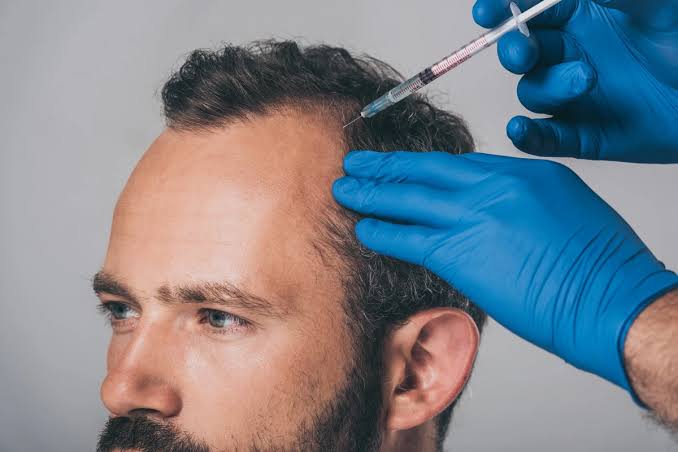
Hair thinning affects many adults, and people may be interested in treatments that use the body’s own resources. Platelet-rich plasma, often shortened to PRP, has become a widely discussed option among people looking to address hair loss. This approach draws on components found naturally in your blood. Understanding how PRP hair restoration works and what results people report can help you make a more informed decision about your options.
What Is PRP Hair Restoration?
PRP hair restoration is a treatment that uses a concentrated portion of a person’s own blood to address areas of thinning hair. Blood contains several components, including red cells, white cells, plasma, and platelets. Platelets carry proteins known as growth factors, and these play a role in the body’s natural repair processes.
During PRP treatment, a sample of your blood is processed to separate and concentrate the platelets. This concentrated plasma is then introduced into the scalp in areas where hair has become thin. These materials come from your own body, and the approach is often described as autologous, meaning it does not rely on outside donors or synthetic substances.
What Does It Involve?
The process generally follows a series of steps carried out during an office visit. A medical professional draws a small amount of blood, similar to a routine blood test. The sample is placed in a machine called a centrifuge, and it spins rapidly to separate the blood into its different layers.
Once the spinning finishes, the platelet-rich plasma is drawn off and prepared for use. Your provider then cleans the treatment area. The practitioner uses a fine needle, and they then inject the plasma into targeted sections of the scalp.
The full appointment may last under an hour, depending on the size of the area being treated. Providers can recommend a series of sessions spaced several weeks apart, and these act as periodic maintenance visits. The exact schedule varies based on individual circumstances and the recommendations of the treating professional.
After the procedure, patients may return to normal daily activities within a short period. Some people notice mild tenderness or slight swelling at the injection sites, and this tends to fade on its own. Providers often share aftercare guidance to support recovery during the days that follow.
What Are the Benefits?
One reason PRP has gained interest is its non-surgical nature. Unlike hair transplant surgery, PRP does not require incisions or lengthy recovery periods. This makes it appealing to people who want a less invasive route. The plasma comes from the patient’s own body, so the risk of an allergic reaction to the material itself is low.
The procedure is relatively quick and may be performed in an outpatient setting. Patients generally do not need extended downtime, and this is beneficial to those with busy routines who cannot set aside long recovery windows. PRP may also be combined with other hair care approaches, under the direction of a provider.
Some people use it alongside topical products or as a complement to other treatments. This flexibility allows a plan to be shaped around individual needs, and it may be personalized to match one’s goals. Results differ from person to person, since factors such as the degree of thinning, overall health, and consistency with the recommended schedule can influence what an individual experiences.
Consult a Medical Professional
Anyone thinking about PRP hair restoration should speak with a medical provider before moving forward. A professional can examine the condition of your scalp, and they will explain what a treatment plan will look like for your situation. A provider may outline how it compares with other methods, describing what outcomes are realistic based on current knowledge.