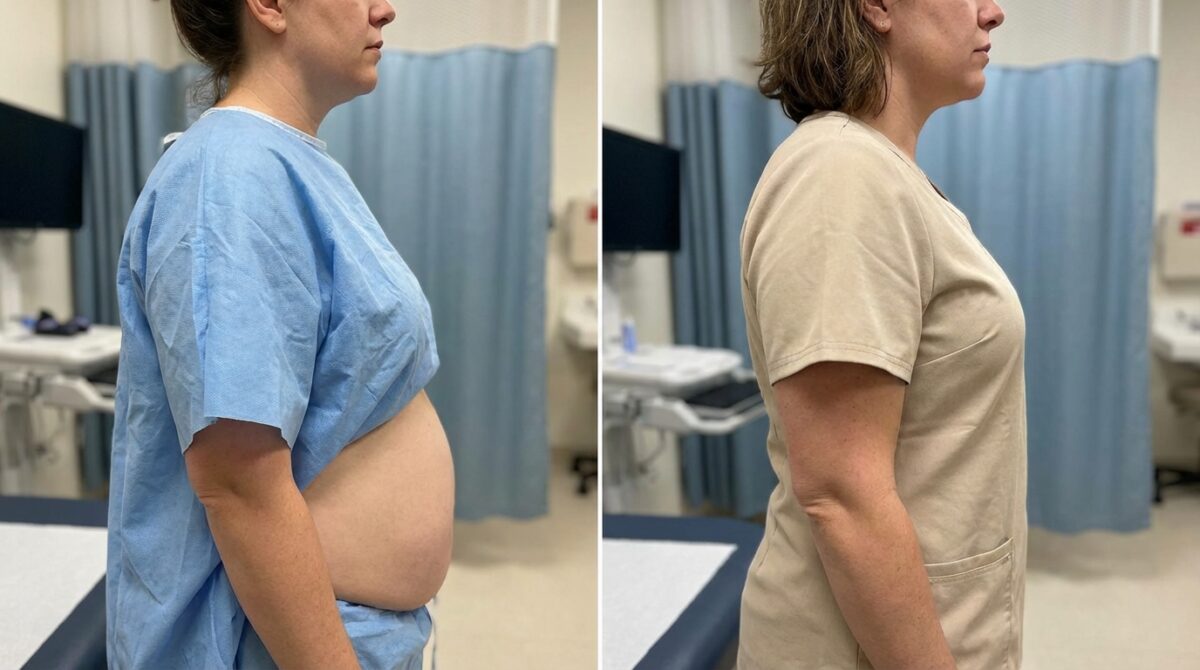

Debunking Common Misconceptions About Weight Loss
August 3, 2026
Tips for Recovery After a Vasectomy
August 3, 2026
Pain can disrupt your day, but a modern pain clinic will offer more options than ever. Providers now combine advanced techniques with careful planning, and this shift changes how you receive care. Because every case differs, your provider assesses your history first. New methods target back pain, neck pain, and joint pain.
Evaluations That Guide Treatment
Care begins with a thorough evaluation. Your provider reviews your symptoms at the pain clinic, and then they identify the source before recommending any option. Because conditions like sciatica and spinal stenosis share overlapping signs, accurate assessment matters and shapes every step that follows. A clear diagnosis narrows the treatment path. Each test adds detail, helping your provider distinguish between conditions with similar symptoms. When the pain source is clear, the treatment plan becomes more focused and effective.
This process helps address vertebral compression fractures early, supporting faster decisions as symptoms progress or shift over time. Your input also plays a role. Describing when pain starts, where it travels, and what makes it better or worse gives your provider useful information. These details shape a plan that reflects your specific experience, so you have a personalized plan. Because no two cases are the same, this step helps make sure your care is built around you.
Procedures That Address Pain
Modern clinics use focused procedures that reach the exact site of discomfort, so you can find relief. Targeted treatments can interrupt nerve signals, and minimally invasive methods often replace larger operations. Your provider will walk you through the expected steps before, during, and after the procedure. Knowing what to prepare for helps you be prepared. It allows you to plan ahead for your recovery. Because every procedure is different, your provider tailors this guidance to your specific treatment and condition. Common procedure types include:
- Nerve blocks: Deliver medication directly to the pain source
- Spinal cord stimulation: Uses mild electrical signals to reduce pain messages
- Minimally invasive surgery: Addresses conditions like failed back surgery with less tissue disruption
- Targeted injections: Help manage neuropathy and localized discomfort
- Nerve blocks: Deliver medication to the pain source and provide relief while your provider monitors your response
- Spinal cord stimulation: Interrupts pain messages before they reach your brain, useful for chronic back pain or neuropathy
- Minimally invasive procedures: Reduce tissue disruption and often mean shorter recovery times with fewer complications
- Condition-specific options: Sciatica and spinal stenosis can be addressed directly, often without a lengthy hospital stay
Therapies for Recovery Support
Recovery involves more than a single procedure. Providers combine movement plans with restorative methods, and they adjust each step as you progress. Ongoing therapy protects your gains. This continued support helps manage back pain and neck pain, and it keeps your plan aligned with your goals during recovery. These programs adapt as you improve, and they give you practical tools to manage symptoms at home. Providers apply these treatments to damaged joints or soft tissue, and they track your progress over several visits. Because results develop gradually, consistent follow-up matters, and it allows your provider to adjust the plan based on how you respond.
Book a Pain Clinic Today
Pain may limit your routine, but it does not have to define your future. Your provider takes a comprehensive approach, and they build a plan around your condition and goals. Because treatment options continue to expand, you have more paths toward relief. A consultation helps you understand which ones fit. Call the office or book online today.