

Understanding the Role of Rehabilitation Following Knee Replacement
August 6, 2026
Signs You Need to Visit a Foot Doctor
August 6, 2026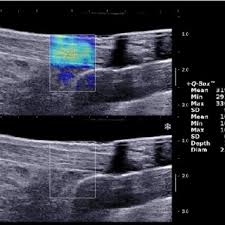
While ultrasound and MRI (magnetic resonance imaging) each play a valuable role in diagnosing sports injuries, they vary in both accessibility and the range of injuries they can identify. Accurate diagnosis for sports injuries matters; selecting the right imaging method may lead to more effective treatment. Here is more information on ultrasound vs MRI and how they diagnose sports injuries:
What Are Sports Injuries?
Sports injuries affect muscles, tendons, ligaments, and bones. They often result from overuse, sudden impact, or improper technique, and they vary in severity depending on the circumstances. Sprains, strains, fractures, and torn tendons are common in recreational and professional athletes, and left undiagnosed, these injuries can worsen over time and lead to longer recovery periods. Accurate diagnosis is the first step toward effective treatment, which requires understanding ultrasound vs MRI.
How Are Sports Injuries Diagnosed?
A medical professional will typically begin with a physical examination before recommending imaging. Based on the suspected injury, they will then refer the patient for either an ultrasound or MRI scan. The choice of imaging depends on several factors, including:
- The type and location of the injury
- How quickly results are needed
- The availability of imaging services
What Is an Ultrasound Vs MRI?
Ultrasound uses high-frequency sound waves to produce real-time images of soft tissue structures such as tendons, muscles, and ligaments, while MRI uses magnetic fields and radio waves to generate detailed cross-sectional images of both soft tissues and bony structures. Neither method uses ionizing radiation. This distinguishes both from X-rays, which expose patients to radiation and are therefore unsuitable for certain clinical contexts.
MRI machines may be less widely available, which has the potential to result in longer patient wait times. Ultrasound equipment is portable. Since ultrasound is accessible, it may be the preferred first-line imaging option in some clinical settings.
How Are Ultrasounds Beneficial?
Ultrasound is well-suited for diagnosing soft tissue injuries, which is a common category of sports injuries. Rotator cuff tears, Achilles tendon injuries, muscle strains, and ligament sprains can all be accurately assessed using ultrasound imaging. The ability to visualize the injury in real time, while the patient performs movement, adds a layer of diagnostic precision that static MRI images cannot provide. Results are available immediately during the appointment, and patients with claustrophobia or metal implants can safely undergo the procedure without complication.
Ultrasound also enables guided procedures to be performed with precision at the time of diagnosis. This makes it a functional tool, and it serves both diagnostic and therapeutic purposes. For some soft tissue sports injuries, ultrasound provides sufficient information to begin treatment without the need for further imaging, which makes it a practical and efficient option for sports injury assessment.
Diagnose Your Sports Injury
Ultrasound and MRI each serve a distinct role in sports injury diagnosis. Ultrasound is fast, accessible, and highly effective for soft tissue injuries, while MRI is not suited for every situation. Understanding the difference helps you prepare for the diagnostic process. If you’re managing a sports injury, speak with a medical professional about which imaging method is appropriate for your condition.