Understanding the Preparation of Mohs Surgery
August 7, 2026
The Benefits of a Multidisciplinary Approach in Breast Surgery
August 8, 2026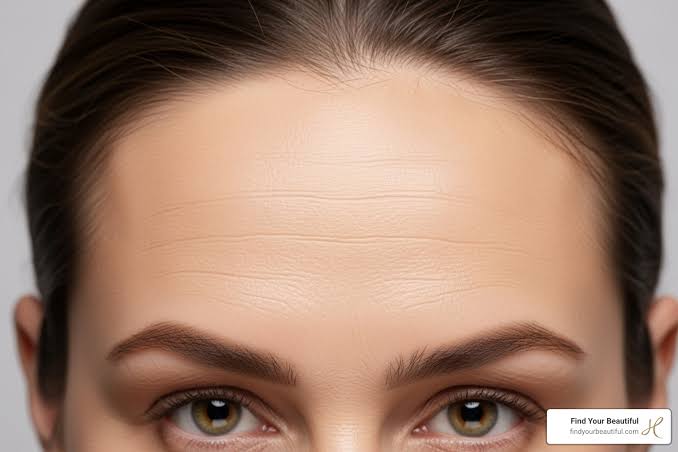
Botox is a widely used treatment in both cosmetic and medical care. Derived from botulinum toxin, it is administered in small, carefully controlled doses to temporarily reduce muscle activity in targeted areas. It is used to address facial lines and wrinkles, but it can also be used to treat a range of medical conditions.
What Is Botox?
Botox is the brand name for a substance produced by a specific type of bacteria. In carefully measured and purified doses, this protein is used in clinical settings; it may be applied for both cosmetic and therapeutic purposes. When administered, it works by temporarily reducing the activity of targeted muscles. The treatment is delivered through small injections, which are placed in specific areas by a medical professional. The effects are temporary, and results tend to fade over a period of months, at which point patients may choose to repeat the procedure. A provider can explain how it applies to a given situation.
What Are the Benefits?
Botox is often utilized for its cosmetic role in softening the appearance of facial wrinkles and fine lines. By relaxing the muscles responsible for repeated facial movements, the treatment can reduce the visibility of lines that form around the forehead, between the eyebrows, and near the eyes. Beyond cosmetic use, Botox has been applied in a variety of medical contexts. It is used to help manage conditions related to muscle activity, and it may address certain types of recurring discomfort. Some patients receive the treatment as part of a broader plan developed with their healthcare provider to address specific concerns. This can include TMJ disorders and chronic headaches.
The potential benefits include a relatively quick procedure time and minimal recovery requirements compared to more involved treatments. Because the injections are targeted, the effects are generally limited to the treated area. Outcomes vary from person to person, and a provider can offer guidance tailored to individual circumstances.
What Should You Expect?
The process typically begins with a discussion between the patient and a provider, who reviews the individual’s goals and health history. This conversation helps determine whether the treatment is a suitable fit and which areas may be addressed. The procedure itself is usually brief, and it can be completed within a short appointment.
A fine needle is used to deliver the product into the targeted muscles or areas. Patients can describe the sensation as a mild pinch, and most are able to return to their regular activities shortly afterward. Some providers may recommend instructions afterward, such as avoiding strenuous activity or certain movements for a brief period following the injections.
Results are not immediate. It generally takes several days for the effects to become noticeable, with the full outcome appearing within one to two weeks. These effects are temporary, and they tend to diminish gradually over several months. Any mild side effects, such as temporary redness or swelling near the injection site, typically resolve on their own.
Speak With a Medical Professional
Botox is a treatment with a broad range of applications, from cosmetic refinement to the management of certain health conditions. Understanding the general process can serve as a helpful starting point, but every individual’s needs and goals are unique. A medical professional may evaluate your situation, explain the available options in detail, and help you determine whether the treatment aligns with your goals.