
Lifestyle Changes That May Help Postpone Menopause
September 2, 2026
How an OBGYN Can Support You Through Pregnancy and Beyond
September 2, 2026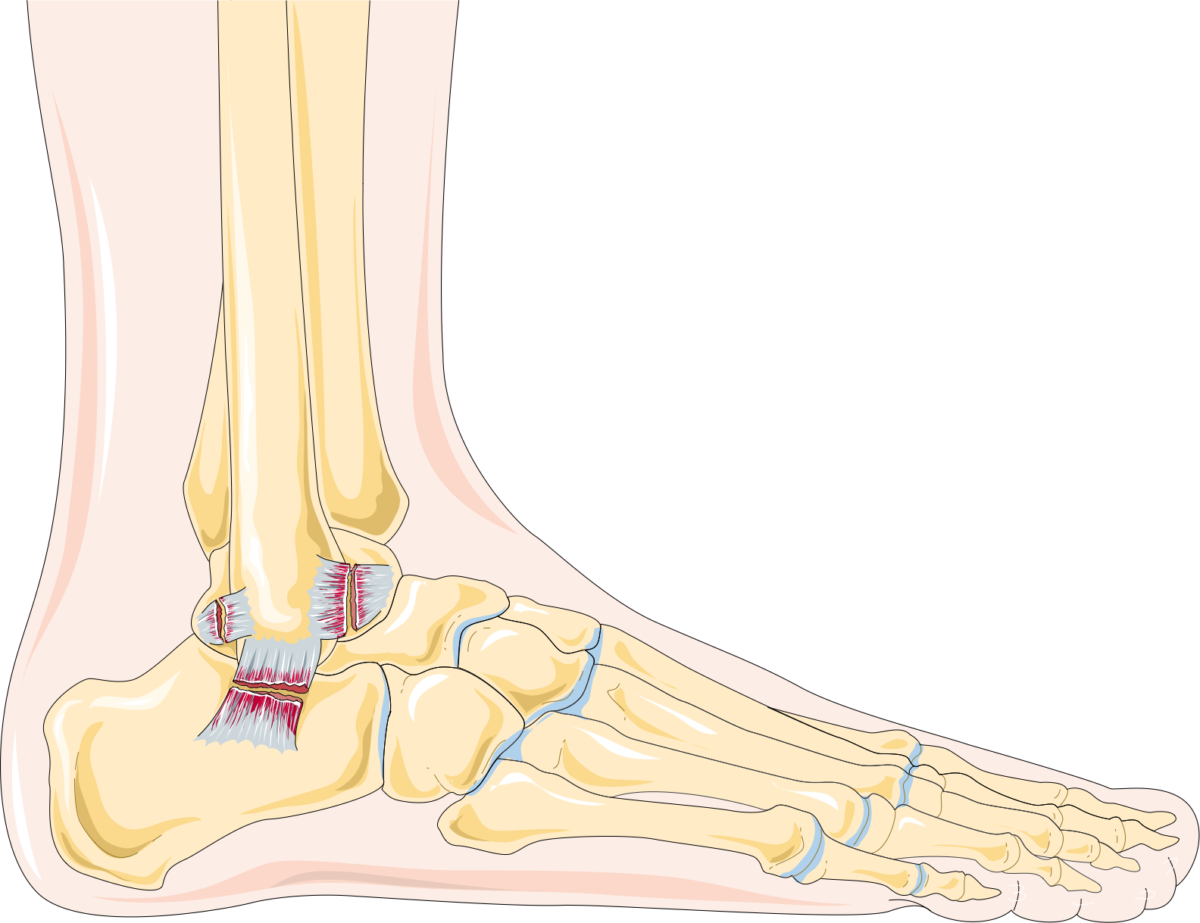
Ankle sprains happen when the ligaments that support your ankle stretch or tear, and they typically follow a sudden twist, roll, or awkward landing. Doctors sort ankle sprains into three grades, and each grade reflects how much ligament damage occurred. Knowing your injury level helps you understand your recovery timeline. Here is more information on the differences so you stay informed about your injury:
Grade One
A grade one sprain involves mild stretching of the ligament fibers. You might feel some tenderness, but the fibers stay intact. Since swelling stays minimal, many people still walk without much trouble.
Recovery from grade one ankle sprains typically completes faster than more serious cases. When you rest and ice the area early, the tissue calms down faster. Light swelling and slight stiffness are typical signs, and you may return to activity once the pain fades.
It’s wise to avoid strenuous activity, and this helps to prevent further irritation. Resting properly helps promote healing. While recovery is typically quick, it can be delayed if the injury is not given adequate time to heal, especially if the ligament continues to experience strain.
Grade Two
A grade two sprain means the ligament has partially torn. You will likely notice moderate swelling, and bruising often appears within a day. Since the damage runs deeper, walking becomes uncomfortable. Pain, instability, and reduced range of motion signal this grade, and doctors may recommend supportive steps to help the ankle heal properly:
- Rest and elevate the ankle to reduce swelling
- Apply ice in short sessions during the first days
- Use a brace or wrap for added stability
- Limit weight-bearing activity until pain eases
Recovery from a grade two sprain typically spans several weeks, and you may need to adjust your activities. When you follow guided care, the ligament rebuilds strength gradually. A medical professional may check your progress along the way.
Grade Three
A grade three sprain is the most severe type, which means a ligament has fully torn. Swelling appears quickly, and the ankle feels unstable when you try to stand. You may struggle to put any weight on the foot.
This grade calls for prompt medical evaluation, and a provider examines the joint and may order imaging to rule out fractures. Signs of a grade three sprain include:
- Significant swelling across the ankle
- Deep bruising and visible discoloration
- Constant feeling of looseness or instability
- Difficult time bearing weight or walking
Recovery from a grade three sprain typically takes several weeks to a few months. When the tear is extensive, some patients need physical therapy or, rarely, surgery. Your provider will outline a plan based on the exam. Following that plan closely supports steady healing.
Schedule Treatment for Ankle Sprains
Every ankle sprain requires attention, and the right grade shapes the right care. If you’re unsure about the severity, a professional exam can provide clarity; waiting too long may slow your recovery. A podiatrist evaluates ankle injuries and guides your next steps. Visit a foot and ankle clinic today for a prompt assessment and a clear recovery treatment plan.