
Managing Recovery From Sports Injuries
September 9, 2026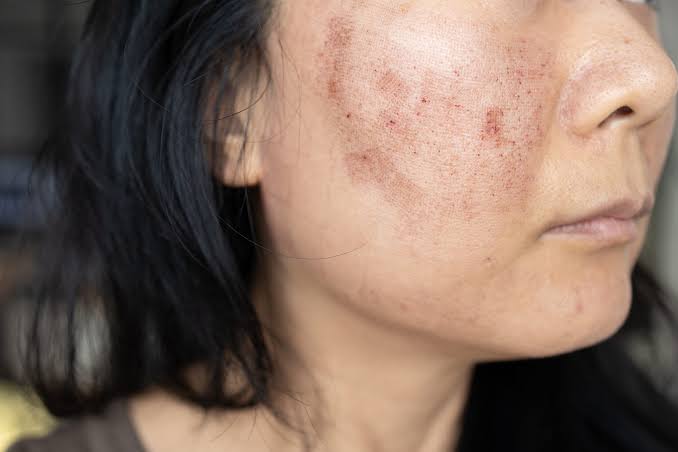
When inflamed blemishes damage the skin’s deeper layers during healing, acne scars can form. These marks can affect daily comfort after breakouts clear, and their severity depends on each person’s healing response. Dermatology offers a structured approach to identifying scar types and selecting treatments that address their specific characteristics. Here is more information on what dermatology involves, how acne scars develop, the methods used to manage them, and the benefits of professional care:
What Is Dermatology?
Dermatology is the branch of medicine focused on the skin, hair, and nails. Dermatologists diagnose and treat a wide range of conditions, from eczema and psoriasis to skin cancer and acne, and their training encompasses both medical and surgical techniques. Because their expertise spans multiple treatment modalities, they can manage conditions through medication, in-office procedures, or a combination of both.
For acne, dermatologists assess skin type and scar depth, and they determine the underlying cause of discoloration or texture changes. They treat active breakouts and the scarring that sometimes follows. Rather than applying a generic solution, they build a treatment plan that reflects the patient’s specific skin history, which allows for more targeted and effective care.
What Are Acne Scars?
Acne scars develop when the skin’s healing response overproduces or underproduces collagen after a breakout; this imbalance determines the type of scar that forms. Atrophic scars create indentations. Hypertrophic scars produce raised tissue, while post-inflammatory hyperpigmentation results in discoloration. Since each type responds differently to treatment, accurate diagnosis is a necessary first step.
Several factors influence scar severity. The duration of active acne, whether lesions were picked or squeezed, and genetic predisposition all play a role, and these variables interact in ways that make each case distinct. Deeper cystic acne may produce more pronounced scarring than surface-level breakouts. If patients have darker skin tones, pigmentation changes may become more noticeable after certain skin conditions or treatments.
How Are They Managed?
Dermatologists manage acne scars using a combination of in-office procedures and topical treatments. Treatment options include:
- Chemical peels, which remove damaged outer layers of skin
- Microneedling, which stimulates collagen production using fine needles
- Laser therapy, which targets scar tissue and pigmentation
- Dermal fillers, which temporarily raise indented scars
Treatment selection depends on scar type, skin tone, and patient goals. A dermatologist may combine methods over multiple sessions, allowing adjustments based on how the skin responds.
How Is Professional Care Beneficial?
Professional care helps treat acne scars more effectively. Dermatologists apply clinical knowledge to match treatment intensity to what the skin can tolerate, which lowers the risk of complications such as burns, infection, or additional scarring that may arise from unsupervised treatment. Consistent monitoring also affects outcomes. A dermatologist tracks progress across sessions, and they adjust the plan as the skin heals. This oversight helps patients avoid abandoning treatments too early or continuing methods that show no improvement.
Consult a Dermatologist
Acne scars respond differently depending on their type, depth, and the patient’s skin characteristics; dermatology provides the diagnostic tools and treatment options needed to address these variations directly. Working with a dermatologist may increase the likelihood of visible, lasting improvement. If you have an acne scar, schedule a consultation with a dermatologist to discuss which options suit your skin.