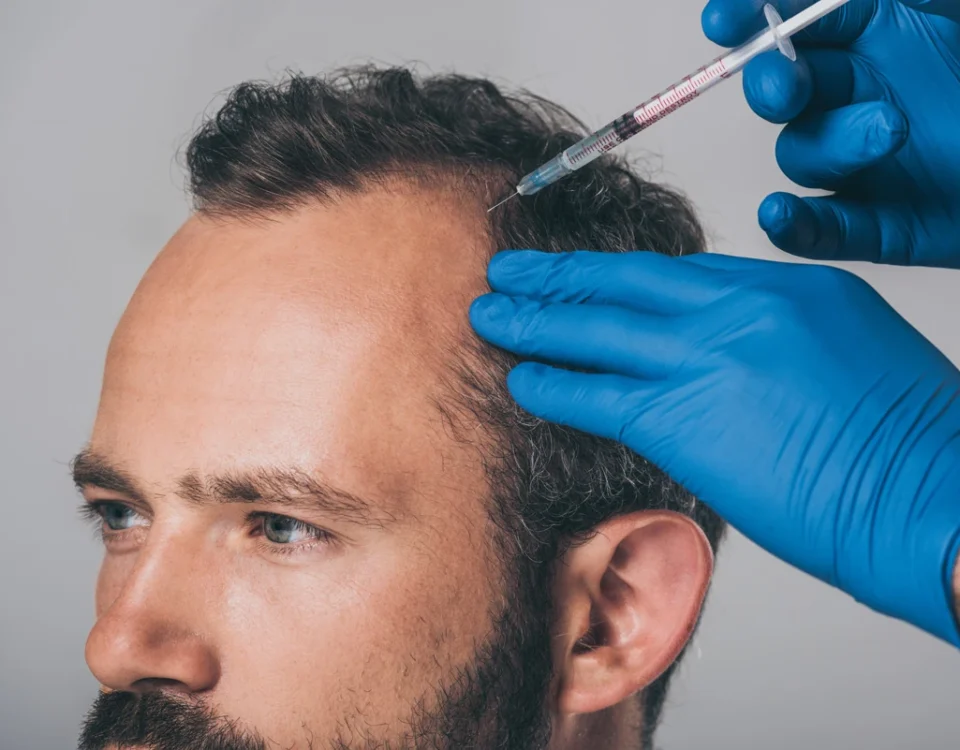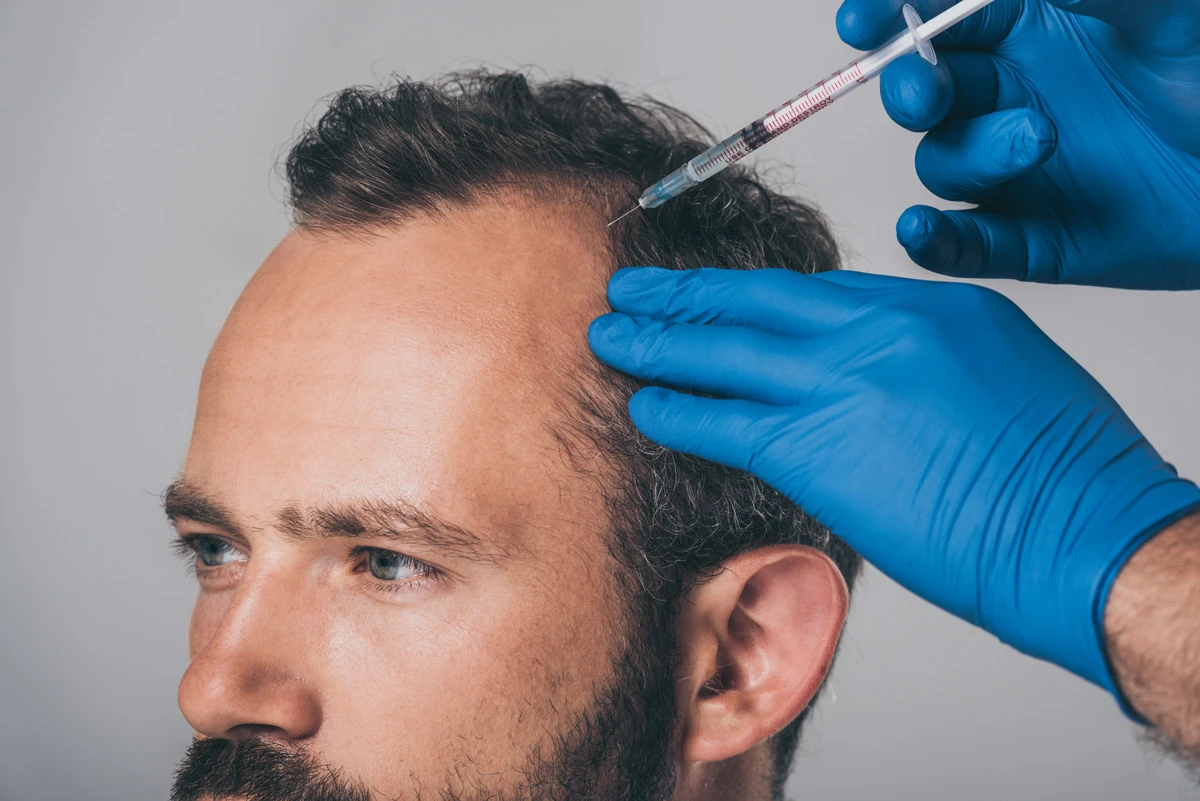

Combining PRP Therapy With Other Treatments for Optimal Results
September 14, 2026
How to Choose a Dermatologist for Your Skin Needs
September 14, 2026
Pain, stiffness, or limited movement in your joints and muscles can affect nearly every part of daily life. When these issues arise, many people turn to an orthopedic surgeon for guidance. These specialists focus on the body’s musculoskeletal system, and this includes bones, joints, muscles, tendons, and ligaments.
What Is an Orthopedic Surgeon?
An orthopedic surgeon is a physician who specializes in diagnosing and treating conditions related to the musculoskeletal system. This system supports your body, allowing movement and protecting internal organs. These surgeons study how bones, joints, and connective tissues work together, and they use that knowledge to address injuries and long-term conditions.
Many surgeons offer non-surgical treatments, and they can recommend these approaches before discussing an operation. Some surgeons focus on a specific area of the body or type of patient. Whether the concern is a recent injury or a condition that has developed over time, an orthopedic surgeon can help determine the source of the problem and outline possible paths forward.
What Do They Treat?
Orthopedic surgeons address a wide variety of conditions that affect movement and physical comfort. Some problems appear suddenly, such as those caused by accidents or sports injuries. Others develop gradually, and they may relate to age, repetitive motion, or long-term wear on the joints. Concerns that can bring patients to an orthopedic specialist include:
- Fractures and broken bones
- Joint pain in areas such as the elbow
- Back and neck conditions that affect posture and mobility
- Issues involving the hands and wrists
- Tendon and muscle injuries that limit strength or flexibility
Because the musculoskeletal system touches nearly every physical activity, the scope of care is broad. A specialist will examine your symptoms and work to identify the underlying cause rather than focusing only on the discomfort itself.
What Should I Expect?
A visit to an orthopedic surgeon may begin with a conversation about your symptoms and medical history. The surgeon can then perform a physical examination. To gather more detail, the physician may request imaging tests such as X-rays, an MRI, or a CT scan. These images allow the specialist to view bones and soft tissues that are not visible during a standard exam. Once the surgeon reviews the findings, they can discuss a treatment plan with you. Plans may begin with non-surgical options, but if these approaches do not bring relief, or if the condition calls for it, the surgeon will talk with you about surgical options. Throughout the process, the specialist can explain each step so you understand your choices.
Meet With an Orthopedic Specialist
Caring for your bones, joints, and muscles supports your ability to move, work, and enjoy daily activities. An orthopedic surgeon can help you understand the source of your discomfort, and they will guide you toward treatment suited to your needs. Early attention to musculoskeletal concerns often gives you more options and a clearer view of what recovery may involve. If pain or limited movement is affecting your life, meeting with an orthopedic specialist is a practical step toward regaining function.
- Innovative Approaches in Pediatric Orthopedic Surgery for Young Patients
- How to Choose a Dermatologist for Your Skin Needs
- What to Expect During Your First Visit with an Orthopedic Surgeon
- Combining PRP Therapy With Other Treatments for Optimal Results
- How Breast Ultrasound Can Complement Mammography