
Exploring the Benefits of Laser Treatments for Skin Issues
September 29, 2026
Exploring Strategies for Sustainable Weight Loss
September 30, 2026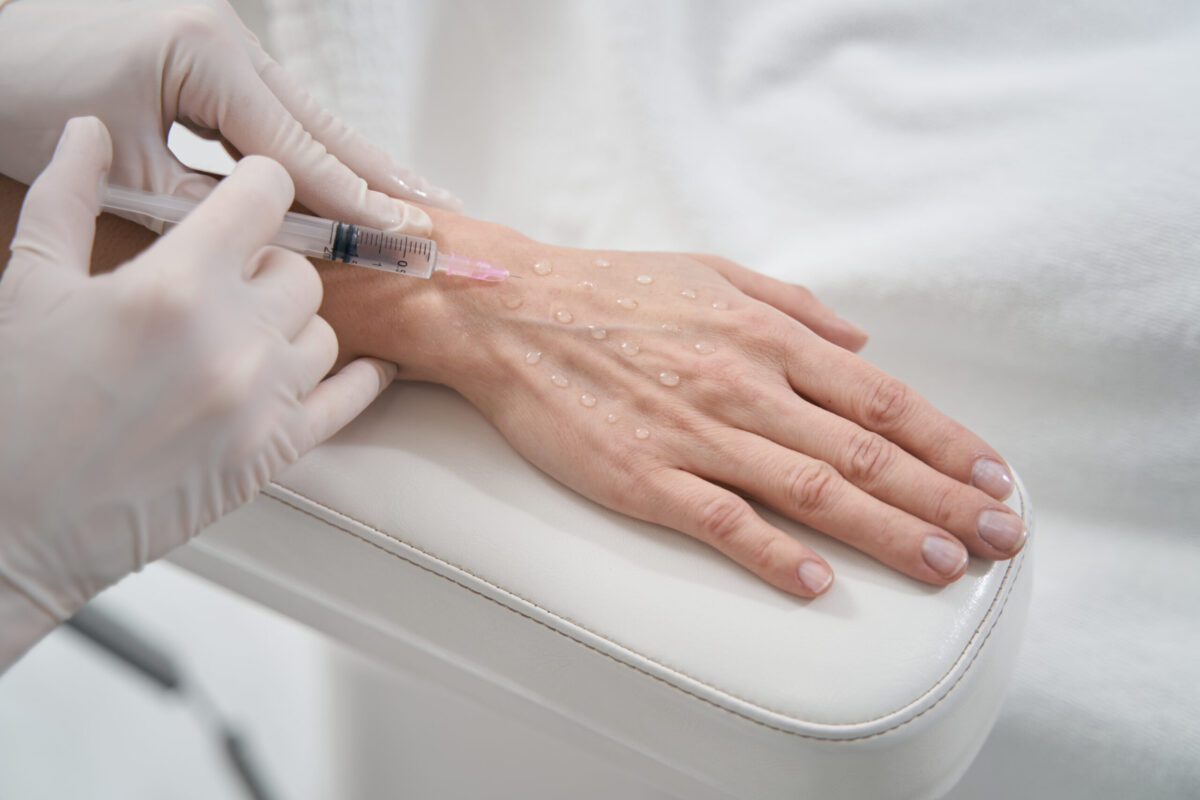
Cosmetic dermatology focuses on the appearance of the skin, hair, and nails, and patients typically begin with conservative treatments. Some treatments work on the skin’s surface, and others involve incisions or tissue removal. Since each approach differs in downtime and risk, people can compare both types before booking. Here is more information on choosing between non-invasive and surgical dermatology treatments:
Non-Invasive Treatments
Non-invasive cosmetic dermatology treatments do not require incisions, and most appointments last under an hour. Since the skin stays intact, many people return to daily routines the same day. Redness, swelling, or mild peeling may appear for a few days. A provider reviews your skin type and medical history before each session. These treatments may include:
- Botox injections: Small injections relax targeted facial muscles that form lines on the forehead and around the eyes.
- Chemical peels: A provider applies an acid solution that removes outer skin layers to address texture and tone.
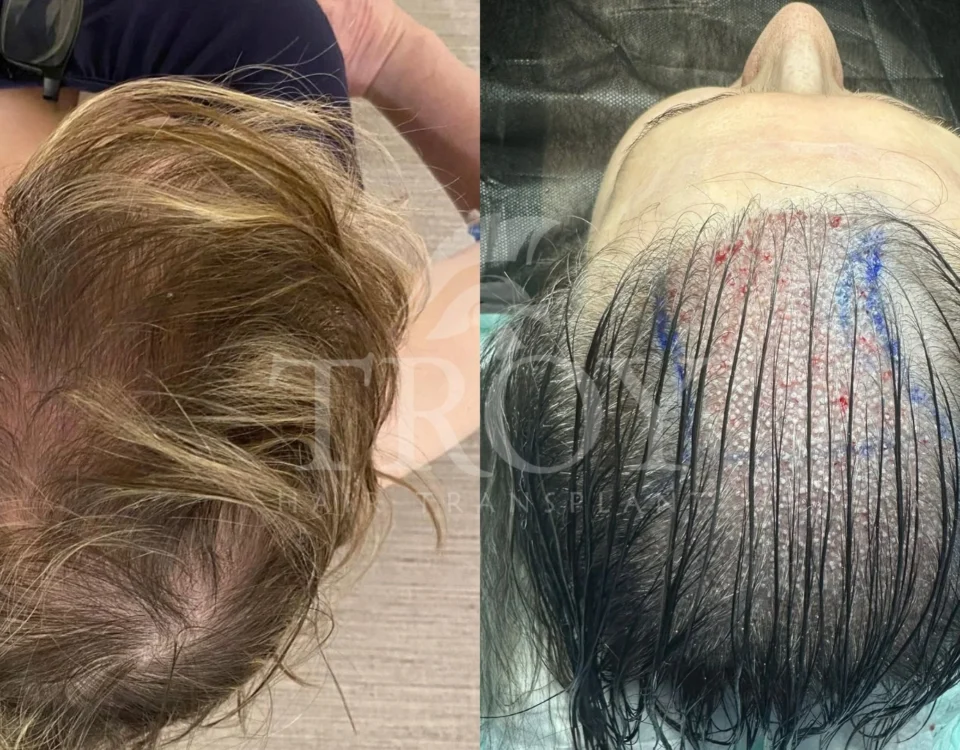
- PRP treatments: A provider draws a small blood sample, separates the platelets, and applies them to the skin or scalp.
- Microneedling treatment: A device with fine needles creates tiny punctures that prompt the skin’s natural collagen response.
Surgical Procedures
When a concern involves deeper tissue, a dermatologist may recommend a surgical procedure. Many procedures use local anesthesia in an office setting. Recovery typically takes longer than with non-invasive care, and stitches may stay in place for weeks. Your provider can explain wound care steps before you leave the office. These include:
- Laser surgery: Ablative lasers remove thin layers of skin to treat deep wrinkles, scars, or benign growths.
- Scar revision surgery: A surgeon reshapes or repositions an existing scar to change its width or direction.
- Excision surgery: A dermatologist cuts out a mole, cyst, or growth and then closes the wound.
- Closure surgery: Fine, layered stitches bring wound edges together to limit tension on the healing scar.
These procedures are designed to improve both the appearance and the health of your skin. Scar revision surgery is tailored to meet individual needs, and it aims for an outcome that blends with the natural skin tone and texture. While treatments like excision are straightforward and effective, others, such as laser surgery, may involve a brief recovery period but yield long-lasting results.
Dermatological Needs
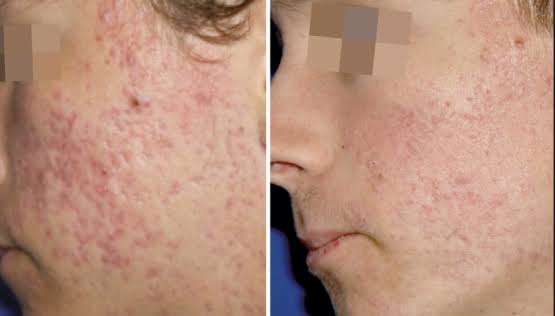
Fine lines, uneven tone, and mild acne scars affect the outer skin layers. Since these issues sit near the surface, providers typically start with peels, microneedling, or Botox. Results vary by person, and many plans involve a series of sessions.
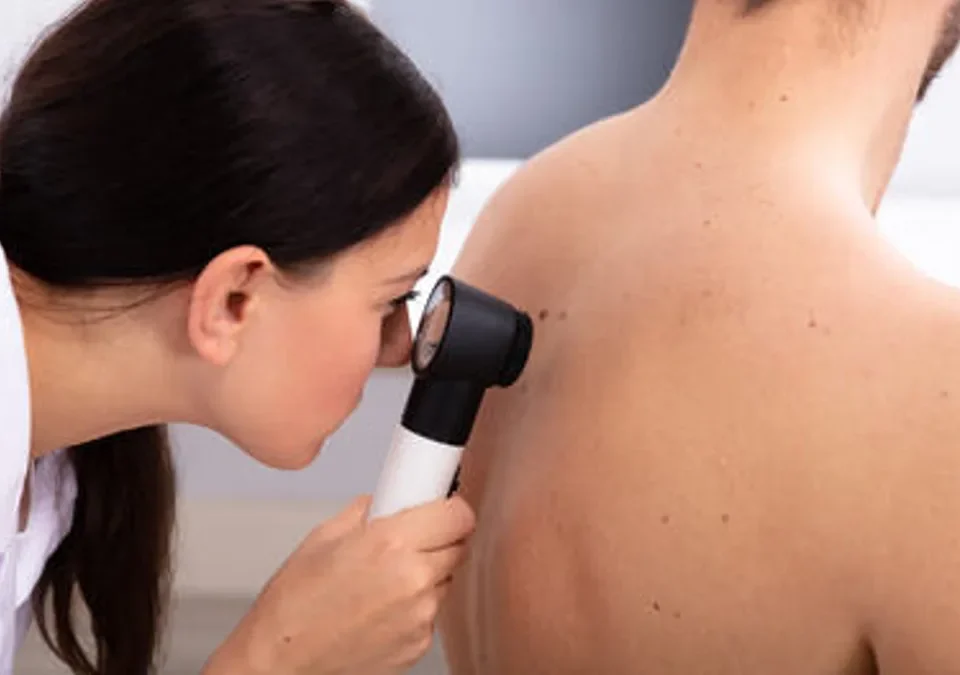
If a mole changes shape or color, a dermatologist may remove it for testing. Raised scars and cysts sit deeper in the tissue, so topical treatments rarely reach them. Excision and scar revision address these structural issues directly. Some growths also need a lab review after removal.
Some people have both surface and deeper concerns, and a combined plan may fit their goals. Healing time affects the order of treatments. For some patients, a provider may schedule a peel only after a surgical site fully heals. Your budget, schedule, and upcoming events also shape the plan.
Visit a Cosmetic Dermatology Clinic
A consultation helps when you are unsure which category fits your concern. A dermatologist examines your skin, and you discuss your goals, history, and schedule. Bring a list of your medications and past skin treatments to the visit. When you feel ready, contact a cosmetic dermatology clinic to schedule a personalized consultation.