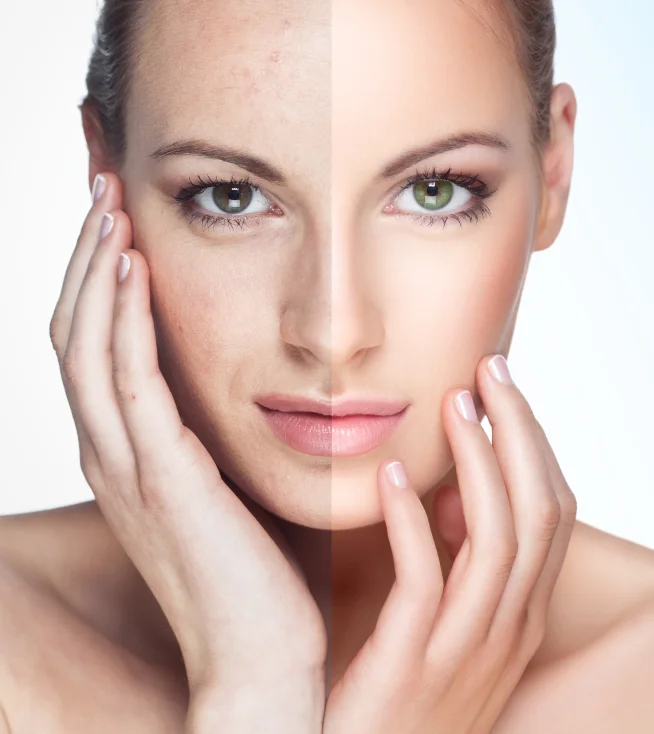

Maximizing Your Results With Aesthetic Services
October 16, 2026
Botox is a purified form of botulinum toxin, which is a protein that temporarily reduces muscle activity where it is injected. Dermatologists use it for cosmetic concerns, such as fine lines and wrinkles, and they also use it for certain medical conditions, including temporomandibular joint dysfunction (TMJ). Treatment involves a series of small injections. Here is more information on what Botox is, who benefits from it, how it works, and what results patients can typically expect:
What Is Botox?
Botox is a purified form of botulinum toxin, a protein produced by the bacterium Clostridium botulinum. Practitioners use it in small, controlled doses to temporarily relax targeted muscles. The treatment is administered through a series of small injections, and each injection is placed directly into the muscle or area being treated. Because the toxin blocks the nerve signals that trigger muscle contraction, the targeted muscles relax.
Who Does It Help?
Botox may be recommended for patients dealing with visible wrinkles or temporomandibular joint (TMJ) disorders. For wrinkles, Botox targets dynamic lines, which are caused by repeated muscle movement around the forehead, eyes, and mouth. These lines deepen over time. Years of facial expressions such as smiling, frowning, or squinting strain the skin; the resulting creases become more visible as the skin loses elasticity.
For patients with TMJ disorders, Botox serves a different but related purpose. The treatment relaxes the jaw muscles responsible for clenching and grinding, which can reduce pain, tension, and jaw stiffness. Patients may experience chronic discomfort that affects daily activities like eating and speaking, and this discomfort has the potential to persist for months or years. Botox offers a non-surgical option for managing these symptoms. Candidates for either use should discuss their full medical history with a dermatologist before starting treatment.
How Does It Work?
Botox works by blocking nerve signals to the muscles where it is injected. Normally, nerves release a chemical messenger called acetylcholine, which signals muscles to contract. Once Botox is introduced, it interrupts this signal, and the targeted muscle cannot contract as forcefully. The result is a temporary reduction in muscle activity in the treated area.
This mechanism explains why Botox is effective for both cosmetic and medical purposes. For wrinkles, reduced muscle movement lets the skin above the muscle smooth out, since repeated folding and creasing form those lines. For TMJ, relaxing the jaw muscles reduces the force behind clenching and grinding, so less pressure is placed on the joint.
Botox effects are not permanent; the body gradually breaks down the protein. Nerve signals return to normal over time. Follow-up treatments are therefore needed to maintain results, whether the goal is cosmetic smoothing or ongoing TMJ management.
What Are the Expected Results?
Botox results develop gradually after treatment. Patients can expect:
- End results: Full effects typically appear within one to two weeks after treatment.
- Cosmetic outcomes: Lines soften gradually rather than changing immediately.
- TMJ relief: Patients may report reduced clenching and improved jaw mobility.
- Duration: Effects generally last three to four months.
Patients who are looking to maintain their results will need repeat sessions.
Consult a Dermatologist
Botox offers an effective treatment option for both cosmetic concerns and TMJ-related symptoms. By temporarily blocking nerve signals to targeted muscles, it reduces the appearance of wrinkles and relieves tension associated with jaw disorders. Results develop gradually, and they typically last several months. If you are evaluating Botox, whether for smoother skin or TMJ relief, start with a consultation. A dermatologist can evaluate individual needs, explain what to expect, and determine the right dosage and injection sites.