
How to Choose the Right Dentist for Your Family
October 23, 2026
The Benefits of Radiologists in Early Disease Detection
November 3, 2026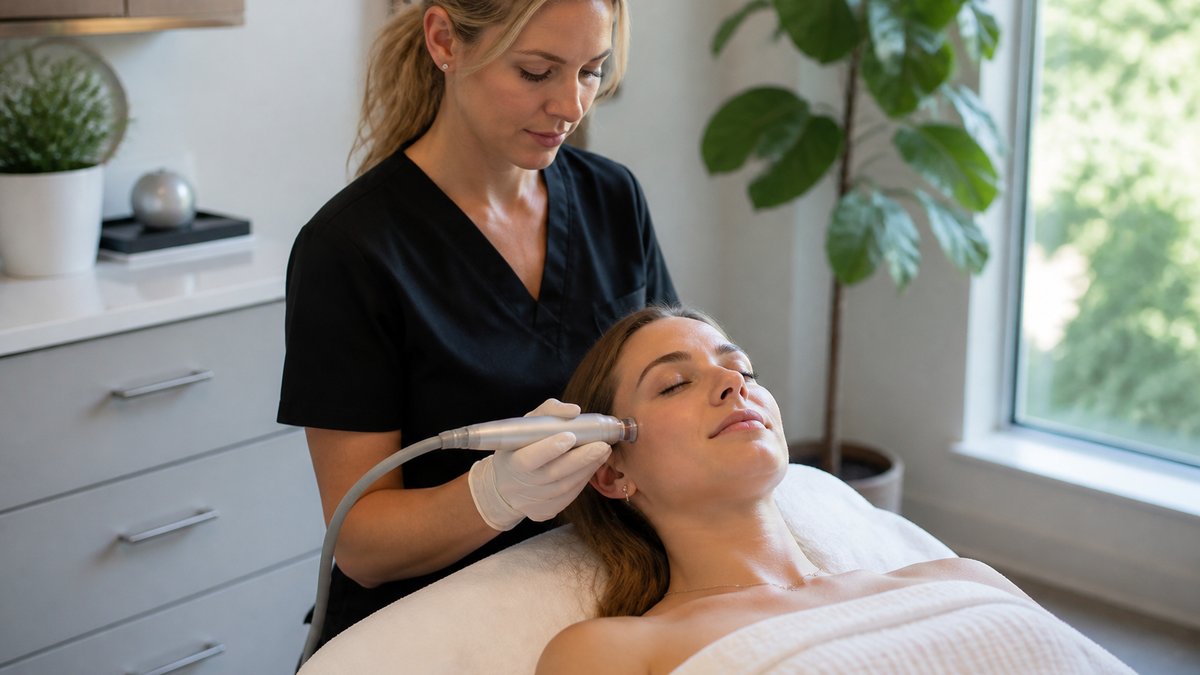
Medical aesthetics is a branch of healthcare that focuses on improving physical appearance through minimally invasive and non-surgical cosmetic treatments. These procedures address concerns such as wrinkles, fine lines, uneven skin tone, and changes in skin texture. Here is an overview of medical aesthetics:
Understanding the Purpose of Aesthetics
Medical aesthetics aims to address visible changes in the skin that develop over time. Sun exposure, genetics, and natural aging affect skin texture, firmness, and tone, and these changes may appear first on the face, neck, and hands. While cosmetic surgery involves incisions and longer recovery periods, medical aesthetic treatments generally require little or no downtime. The goal is a refreshed and natural-looking appearance rather than a dramatic transformation. Providers use measured amounts of product or energy, and they adjust each treatment to the person’s features.
Exploring Injectable Treatments
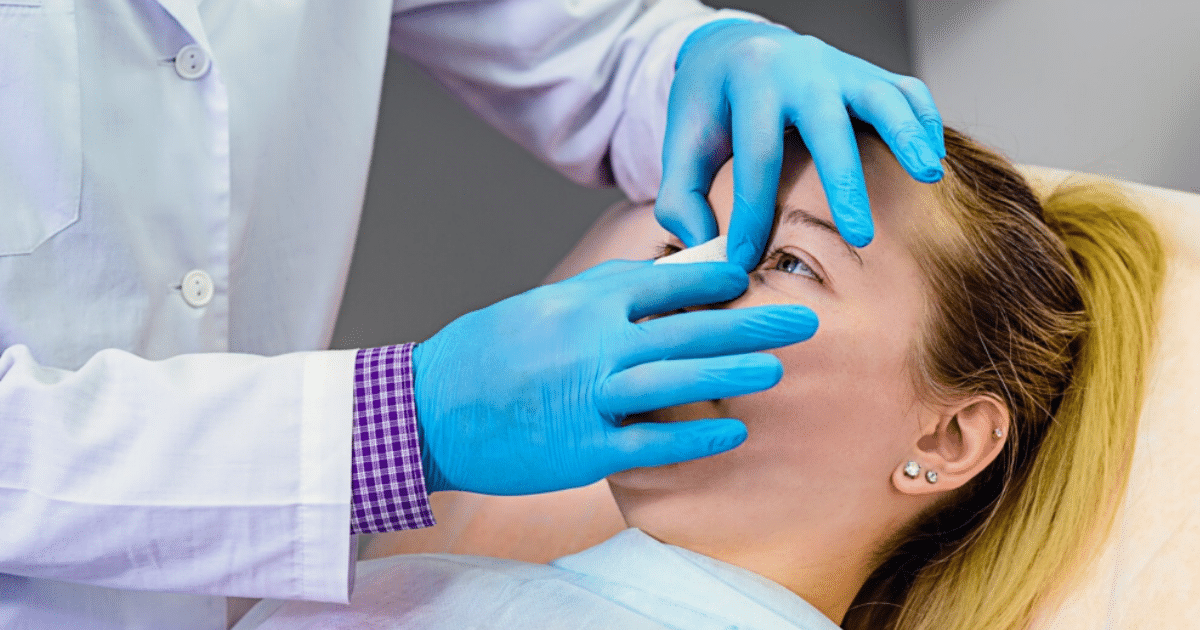
Injectable treatments are common in medical aesthetics. A provider uses a fine needle to place a product into specific areas of the face. The two main categories are neuromodulators and dermal fillers, and they serve different purposes.
Neuromodulators
Neuromodulators are purified proteins that temporarily relax targeted facial muscles. Providers commonly use them for forehead lines, frown lines between the brows, and crow’s feet, where repeated expressions create creases. Results generally appear within one to two weeks, although the effects fade gradually after about three to four months.
Dermal Fillers
Dermal fillers are gel-like substances that add volume beneath the skin. Some fillers contain hyaluronic acid, which the body produces naturally. Providers use fillers to restore fullness in the cheeks, soften lines around the mouth, and shape the lips.
Discovering Skin Rejuvenation Procedures
Skin rejuvenation procedures target the skin’s surface and texture. Some methods remove dead skin cells, while others use controlled energy to prompt the skin’s natural renewal process. A provider recommends a procedure after evaluating your skin type and concerns. Common aesthetics options include the following:
- Chemical peels: A provider applies a solution that removes the outer layers of skin to improve uneven tone and texture.
- Microneedling: A device creates controlled punctures in the skin to trigger its natural repair response.
- Facials: Customized treatments that cleanse, exfoliate, and nourish the skin to improve its overall appearance and health.
Choosing Personalized Aesthetic Treatments
Every person has different skin characteristics, facial structure, and goals. A qualified aesthetics provider begins with a consultation that reviews your medical history, skincare routine, and desired results. The provider assesses your skin during this visit, and you identify your areas of concern.
Providers often combine treatments to address several concerns at once. A plan may pair a neuromodulator for forehead lines with a series of chemical peels for uneven tone. Results vary from person to person, and most treatments need periodic follow-up visits to maintain the effect.
Book Your Aesthetics Consultation Today
Medical aesthetics offers nonsurgical options for addressing fine lines, volume changes, and uneven skin texture. Injectable treatments and skin rejuvenation procedures serve different purposes, and a personalized plan can combine them according to your goals. Contact a qualified healthcare provider near you to book your aesthetics consultation today.