
Understanding the Role of a Medical Marijuana Card in Accessing Treatment
November 6, 2026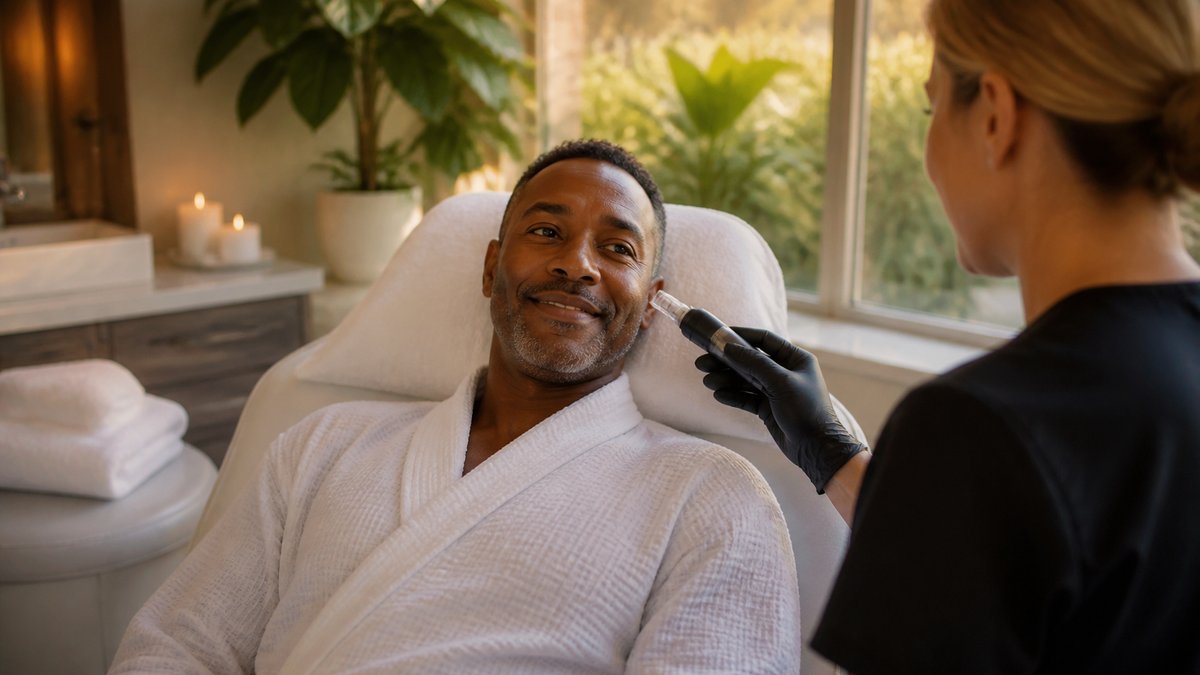
Medical spas blend clinical procedures with a spa-like setting, which benefits people seeking targeted aesthetic treatment without full surgery. These spas offer services that use devices and prescription-grade products, and these services aim to address specific skin and appearance concerns. Here is more information on the benefits of treatments available at medical spas:
What Are Medical Spa Treatments?
Medical spa treatments focus on cosmetic improvement. They usually involve some level of assessment before treatment starts. These services sit between a traditional spa facial and a surgical procedure, and they rely on technology affecting deeper layers of the skin. Some treatments target texture, pigment, hair growth, and visible signs of aging, and they are structured as a series of sessions or maintenance visits. Available treatments include:
- Laser hair removal
- Botox
- Skin resurfacing
- Skin tightening
Laser hair removal uses focused light to target hair follicles, and it works over several sessions. Botox involves small injections that act on muscle activity to reduce wrinkles. Skin resurfacing treatments use methods like chemical exfoliation or energy devices to remove or remodel surface layers, aiming to smooth texture and refine tone. Skin-tightening approaches rely on heat or other forms of energy, which target deeper structures that influence firmness.
What Benefits Do They Offer?
One benefit of these treatments is their precision. Botox focuses on expression lines, laser hair removal targets pigment in hair, and resurfacing addresses roughness or discoloration. Because each procedure has a clear purpose, people can build a plan that addresses several issues in sequence and track progress as the skin responds.
Another advantage is timing, since some medical spa services fit into regular schedules more easily than surgery, and they usually involve shorter recovery periods. Some treatments cause mild redness or swelling, while others require brief downtime. When sessions are spaced out, clients adjust daily routines around them. They then return for follow-up visits to maintain results.
Treatments also support skin quality over time, and this applies to both corrective and maintenance work. Resurfacing promotes surface renewal, while tightening procedures focus on deeper support. Both aim to improve texture and firmness. As these effects develop, people may adjust skincare habits to protect their results. They may also add complementary treatments that address new concerns.
How Are Treatments Chosen?
Treatment selection starts with a skin evaluation and a review of health history. Providers assess texture, tone, and elasticity, and they may ask about past procedures and current medications. Once they understand the pattern of concerns, they suggest options that fit within medical guidelines and explain how each choice works.
Because individual goals shape treatment decisions, they help providers match services to each patient’s needs. Someone seeking long-term hair reduction receives different advice than someone focused on fine lines; the number of sessions reflects that difference. Expectations about recovery, sensation during treatment, and pace of change all influence the final plan. They help align procedures with daily responsibilities.
Seek Treatment Today
People seeking structured cosmetic care can start with a consultation at a medical spa; that visit provides a realistic overview of options. Since treatments involve devices, medications, and specific techniques, professional guidance helps match services to skin type and goals. Schedule a consultation at a medical spa today.
- Exploring the Benefits of Treatments Available at Medical Spas
- Understanding the Role of a Medical Marijuana Card in Accessing Treatment
- Recovery Expectations After Breast Cancer Surgery
- Understanding the Role of Mental Health Evaluations for Early Intervention
- The Surgical Techniques Used by Colon Surgeons