

Teeth Whitening During Orthodontic Treatment
November 14, 2026
How Sports Medicine Enhances Athletic Performance
November 15, 2026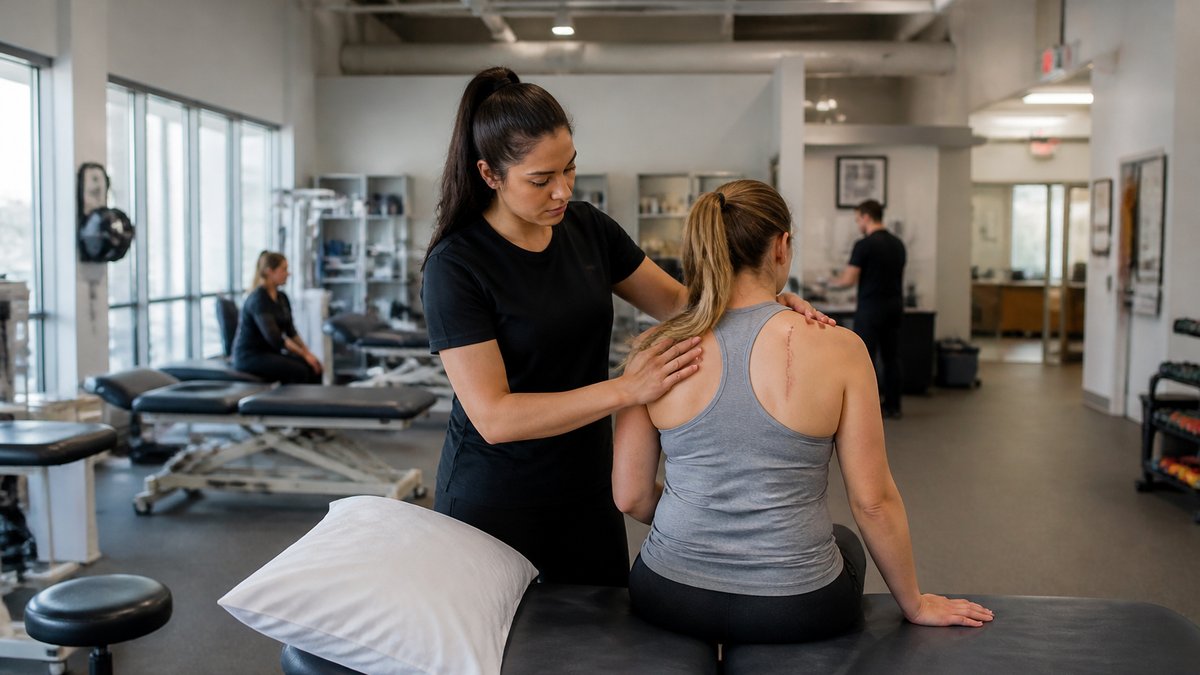
Physical therapy plays a structured role in post-surgery recovery, and it addresses strength, motion, and daily function. A guided program uses measured exercises, manual techniques, and education to support healing while respecting surgical guidelines. When therapy aligns with medical instructions, it supports safer movement at home and during work tasks. Here is more information about the role of physical therapy after surgery:
Restoring Range of Motion
Joint stiffness follows surgery, and limited motion interferes with daily tasks such as dressing or walking. Physical therapy sessions use stretching, guided movement, and positioning strategies to address both soft tissue and joint mobility. When range of motion improves, movement patterns usually become more efficient, and this reduces extra stress on neighboring joints. Ongoing measurements track changes in flexibility. It may involve these exercises:
- Gentle passive motion that a therapist guides through safe arcs.
- Active stretching that you perform with specific form cues.
- Guided joint mobilization techniques based on medical clearance.
- At-home exercises that reinforce gains between sessions.
Reducing Pain
Pain after surgery influences how you move, and guarded movement leads to more stiffness. Physical therapy uses graded activity, manual techniques, and positioning strategies to lower discomfort without overloading healing tissue. When exercises are matched to your tolerance, pain levels may lessen, and this supports more consistent participation in therapy. Therapists also teach pacing methods, which help you divide tasks into segments that match current strength.
Swelling may contribute to pain, and targeted movement supports fluid return while respecting surgical precautions. Elevation, muscle-pumping exercises, and gentle walking are used together. Each strategy plays a role in symptom control. As swelling decreases, pressure on sensitive structures usually drops, which typically improves comfort at rest and during activity.
Some people rely heavily on rest to manage pain, but prolonged inactivity can slow recovery when it replaces guided movement. A structured therapy plan balances rest with activity, supporting tissue healing while maintaining function. When you understand which movements are safe, you are less likely to avoid all activity. Communication with your surgical team remains central, so pain changes are addressed promptly.
Strengthening Muscles
After surgery, muscles surrounding the operated area often weaken, and this affects basic movement. Targeted strengthening exercises align with healing timelines from your surgeon. Therapists adjust resistance and repetition schemes to keep progress steady, and they monitor how joints respond during each session. Stronger muscles support nearby joints, which may lower strain on healing structures over time.
Improving Balance
After lower limb or spine surgery, balance sometimes declines, and this raises the risk of falls during daily tasks. Therapy sessions include standing exercises, weight shifts, and gait training, and these activities challenge balance in a controlled setting. Better balance supports safer walking on level surfaces, stairs, and community environments.
Environmental factors at home also influence balance, and therapy often includes discussion of layout and walking paths. When balance training pairs with these adjustments, the overall risk of setbacks may decrease, and daily routines become more manageable. Structured practice also prepares you for returning to work duties that require standing or directional changes.
Schedule Physical Therapy Sessions
Starting therapy at the time recommended by your surgical team supports a safer return to daily tasks. Sessions are structured around your diagnosis, current strength, and pain levels, and they evolve as healing progresses. Coordinated care helps align therapy with your overall treatment plan. Work with your medical providers to determine the appropriate timing and frequency of physical therapy sessions after surgery.