
Understanding the Different Approaches to Pain Management
November 18, 2026
The Benefits of Early Orthodontic Treatment for Children
November 18, 2026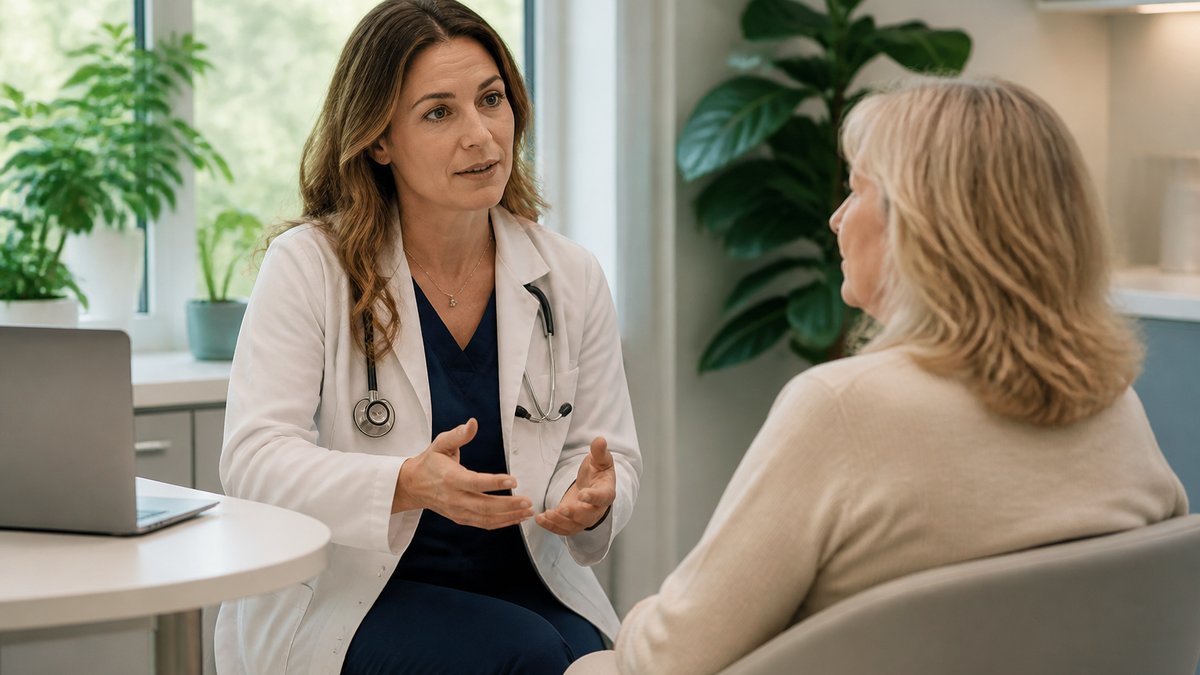
An OBGYN specializes in obstetrics and gynecology. Obstetrics focuses on pregnancy and childbirth, and gynecology covers the health of the female reproductive system. Many women see an OBGYN for routine exams, and some stay with the same doctor for years because a long relationship builds a detailed health history. Here is some information about the role of an OBGYN in women’s health:
Preventive Care
Preventive care focuses on finding health problems before they cause symptoms. Your OBGYN reviews your medical history and performs a physical exam at each annual visit. Screenings detect changes early, and this often leads to less invasive treatment when a problem does appear. Other preventive services include:
- Pelvic exams to check the health of the uterus, ovaries, and cervix
- Pap tests and HPV tests to screen for cervical cancer
- Breast exams and referrals for mammograms
- Testing for sexually transmitted infections (STIs)
- Vaccinations, including the HPV vaccine
- Bone density screening for women at risk of osteoporosis
- Guidance on nutrition, exercise, and healthy weight
These visits also give you time to ask questions about your body and your health habits. Doctors usually recommend an annual well-woman exam, but the timing of some tests depends on your age and risk factors. Your doctor will tell you which services apply to you.
Family Planning
Your OBGYN helps you plan for pregnancy or prevent it, depending on your goals. If you do not want to become pregnant, your doctor explains each birth control option in plain terms. Options include pills, patches, and implants. Each method has its own benefits and side effects. Your doctor reviews your health history, and together you choose a method that fits your lifestyle.
For women who want to conceive, an OBGYN offers preconception care. This includes guidance on folic acid, a review of current medications, and screening for conditions that may affect pregnancy. If you have trouble conceiving, your doctor runs tests and refers you to a fertility specialist. Once you become pregnant, they manage prenatal visits and track the baby’s growth. Prenatal care continues through delivery and the weeks after birth.
Condition Management
OBGYNs diagnose and treat a range of conditions that affect the reproductive system. Common conditions include:
- Polycystic ovary syndrome (PCOS)
- Endometriosis
- Uterine fibroids
- Ovarian cysts
Your doctor uses pelvic exams and imaging to identify the cause. They create a personalized treatment plan, which may include medication, hormone therapy, or surgery. Many OBGYNs perform minimally invasive procedures; this often leads to shorter recovery times.
OBGYNs also treat common infections and pelvic floor problems. Urinary incontinence and pelvic organ prolapse become more common with age, and they often respond well to treatment. Doctors also address menopause symptoms. When hot flashes, sleep problems, or vaginal dryness affect daily life, they can explain your treatment options. Your OBGYN tracks your symptoms over time and adjusts your treatment if it stops working. Regular follow-up visits help your doctor track changes in your condition.
Visit an OBGYN
An OBGYN plays a key role in maintaining women’s health at every stage of life. From routine screenings and family planning to managing reproductive conditions and menopause symptoms, these doctors provide care for a wide range of needs. Regular appointments help identify health changes and address concerns. Building an ongoing relationship with your OBGYN also allows your doctor to understand your medical history and adjust your care as your needs change. Contact a woman’s health clinic today to schedule an appointment.