
Koomer Party: Meaning, Origin & Why This Meme-Fueled Trend Is Gaining Attention Online
December 10, 2025
Borderlands 4: Everything We Know So Far About the Next Big Vault-Hunting Adventure
December 12, 2025
Persistent nasal allergies can cause symptoms such as sneezing, a runny nose, and congestion when your immune system reacts to airborne allergens. While these particles are harmless to most, they trigger a response in sensitive individuals. Managing your environment and exploring treatment options are ways to address these persistent symptoms. Here is more information about remedies for nasal allergies:
Using Air Conditioners
Maintaining a consistent indoor temperature may help manage allergy symptoms. Dust mites thrive in warm, humid environments, so keeping your home cool and dry makes it less hospitable for them. By running your air conditioner during the warmer months, this system cools the air and helps reduce humidity inside your home.
An air conditioner circulates air through a filter, and this process captures dust, pollen, and other airborne particles. When a dehumidifier lowers moisture levels in the air, it creates an environment where allergens such as mold and dust mites may be less likely to grow. Regular maintenance of these appliances supports their effectiveness.
Reducing Pet Dander
Pets are a typical source of allergens for many individuals. Pet dander, which consists of tiny flecks of skin shed by animals, is a primary trigger. You could establish pet-free zones in your home, especially the bedroom, to create a space with fewer allergens. To reduce triggers for nasal allergies, regularly groom your pets.
Bathing your pets weekly may reduce dander in your environment. Hardwood or laminate flooring is typically easier to clean than carpeting, and it traps allergens. When you clean, use a vacuum cleaner equipped with a HEPA filter to capture small particles effectively.
HEPA filters may help trap microscopic allergens that standard vacuums might recirculate into the air, and this type is effective at:
- Capturing pet dander
- Gathering Pollen
- Blocking dust mites
- Preventing mold spores
Regularly washing bedding, curtains, and other fabrics where dander can accumulate is another practical step. To help remove allergens from these materials, use hot water for washing. These cleaning habits may help reduce dander in your living spaces.
Keeping Windows Closed
Keeping your windows closed is a simple way to limit your exposure to outdoor allergens. Pollen from trees, grasses, and weeds can easily enter your home through open windows, especially on windy days. You can monitor local pollen counts to know when levels are particularly high. This practice is helpful during peak allergy seasons by:
- Preventing outdoor allergens from entering your home
- Maintaining better control of indoor air quality
- Minimizing the need for frequent cleaning or dusting
- Pairing with an air purifier for even cleaner air
Taking Antihistamines
Over-the-counter antihistamines are an option for addressing allergy symptoms. These medications work by blocking histamine, the chemical your body releases during an allergic reaction. You can find them in various forms, including pills, nasal sprays, and liquids. Different types of antihistamines are available, so reading labels for active ingredients and intended use is a good practice. Some may cause drowsiness, while others are non-drowsy formulas.
Get Treated for Nasal Allergies
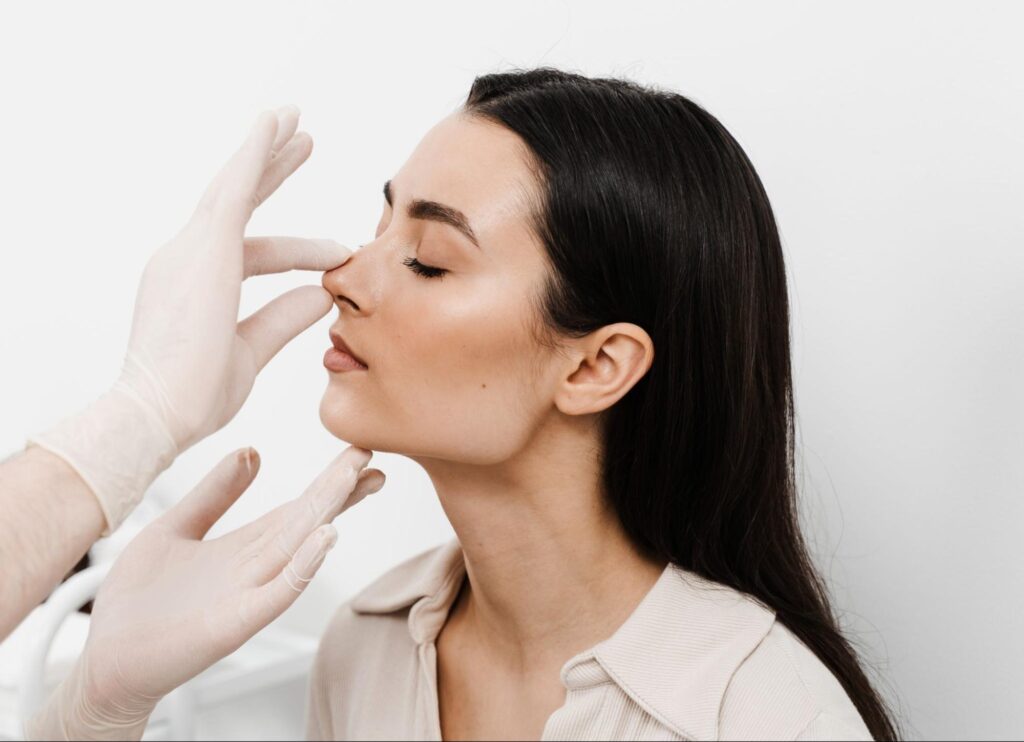
If you continue to experience persistent nasal allergy symptoms, seeking professional guidance is a logical next step. A healthcare provider can offer a detailed evaluation of your symptoms and medical history. Based on this information, a personalized treatment plan can be developed to address your unique needs. If you are ready to explore your options, schedule an appointment with an allergy clinic to discuss your nasal allergy concerns.