What To Expect During Your First Eye Exam
January 20, 2026
The Role of Early Intervention for Rotator Cuff Tears
January 20, 2026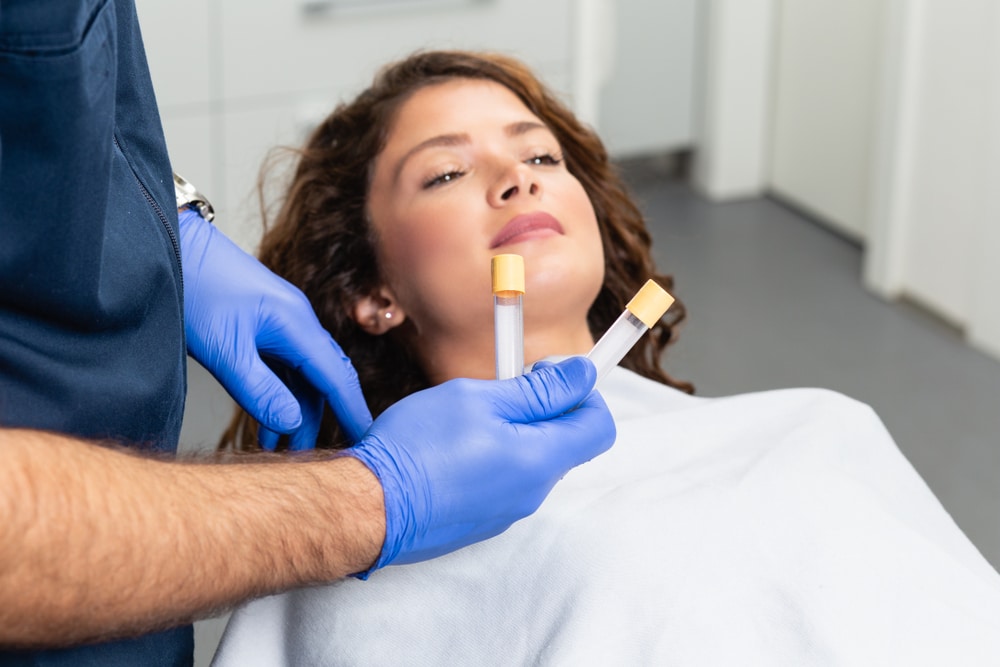
Platelet-rich plasma (PRP) therapy is an innovative technique, and it uses a patient’s own blood components to support healing in the body. A doctor typically takes a small blood sample, places it in a centrifuge, and separates and concentrates the platelets. These platelets contain growth factors, which the body naturally uses to repair damaged tissue, making PRP a promising tool in the field of regenerative medicine. Here are some of the benefits of platelet rich plasma therapy:
Accelerating Healing
The human body can restore muscles, tendons, and ligaments after injuries. When PRP is introduced at the injury site, the healing signals are intensified, giving the body extra resources to address the damage. Doctors inject it into the affected area, and the concentrated plasma delivers powerful growth factors where they are needed. By amplifying the normal repair process, PRP typically supports more efficient recovery for a range of injuries.
Reducing Pain
Patients explore PRP when they experience persistent pain that is not fully addressed by standard treatments. Since platelet rich plasma therapy focuses on decreasing inflammation at the root, it offers an option that doesn’t simply mask discomfort but encourages deeper healing. PRP therapy is applied to damaged joints, tendons, and ligaments, and it can address chronic pain.
Osteoarthritis, tendon injuries, and ligament strains produce pain that disrupts daily life. With PRP’s concentrated growth factors, doctors aim to help mend cartilage and ease inflammation in problem areas. Rather than relying entirely on painkillers, this biologic approach provides an alternative for managing pain, and it can be used to heal joints and tendons.
People living with chronic pain may find it challenging to remain active or enjoy routine activities. Addressing tissue damage directly may offer an alternative path to support healthier movement and function. Regular physical therapy or rehabilitation can still be part of your plan, and PRP therapy could fit into a comprehensive pain management strategy for select patients.
Decreasing Need for Medication
For people managing pain over long periods, daily medication comes with risks such as side effects or dependency. PRP therapy, because it targets the source of symptoms, may help lessen your reliance on anti-inflammatory drugs. With repeated treatments, some individuals experience a reduced need for oral medication or topical pain relief.
Those who avoid prescription medications may seek options with fewer risks. Since PRP uses the patient’s own blood, the potential for foreign substance reactions is lower compared to certain medications. Directly treating tissue injury sometimes leads to more lasting improvements than symptom-focused drug regimens.
Shortening Recovery Periods
One of the reasons PRP therapy helps is its potential to help speed up recovery. Whether it’s a muscle strain, ligament tear, or chronic overuse injury, many aim to minimize time away from their routine. While individual results vary, PRP may be included in a customized plan to support a quicker return to daily activities.
Injuries that PRP therapy addresses include:
- Tennis elbow
- Achilles tendonitis
- Rotator cuff tears
- Hamstring strains
Schedule Platelet Rich Plasma Therapy
If lingering pain or a slow-healing injury affects your quality of life, PRP therapy offers another avenue to explore. Reach out to a pain specialist for a conversation about your concerns and personal medical needs. They can work with you to review your history, and you can discuss whether PRP therapy makes sense for your circumstances.
Related posts

Free public domain CC0 photo. More: View public domain image source here