
Dietary Changes That Can Help Reduce Abdominal Pain
February 27, 2026
How Dermatology Can Improve Skin Care for All Ages
February 27, 2026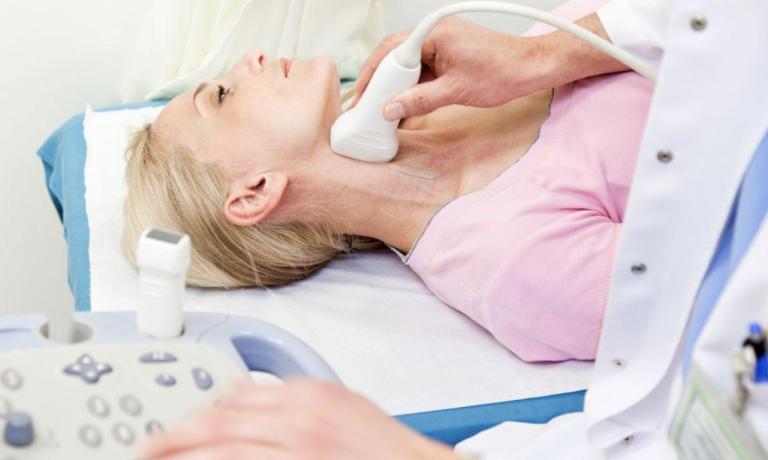
Vascular health is a key part of your overall well-being. When issues arise, understanding your options helps you feel more at ease. Vascular surgeons now use advanced, minimally invasive techniques. These methods can lead to quicker recovery times, so discuss your health with a specialist to stay informed.
Images for Diagnosis
A clear diagnosis is the first step toward effective care. Modern imaging allows a vascular surgeon to visualize the vascular system, so they can plan carefully. Vascular ultrasound is a non-invasive test that uses sound waves to create images of your blood vessels. These images show blood flow, and they help doctors spot unusual patterns in your veins and arteries. Unlike some traditional imaging, vascular ultrasound does not use radiation. Some patients prefer this approach. Vascular ultrasound also checks your progress after a procedure or monitors your vascular health over time. Ultrasound imaging helps base your treatment on solid information gathered during your exam.
Treatments for Vein Conditions
Some people experience spider veins, and others may have varicose veins. These conditions lead to discomfort or cosmetic concerns that impact your routine. Sclerotherapy is a treatment that some vascular specialists use for these veins. During this procedure, a fine needle injects a solution into the vein, causing it to close. Blood then moves through other healthy veins, and the treated vein typically fades with time. The process is relatively quick, and most sessions are completed in less than an hour. This treatment is repeated for multiple or larger veins, remaining flexible for different severity levels. The results are long-lasting if you follow your surgeon’s advice for aftercare and lifestyle adjustments.
Procedures by Vascular Surgeons
Arterial diseases and persistent leg swelling require specialized care, since they have more to treat. Surgeons have developed minimally invasive options for these conditions, using methods that aim to support comfort and daily activities. Peripheral artery disease can involve narrowed arteries that limit blood flow to your limbs, causing discomfort. This can be especially painful during walking. These procedures generally involve small incisions, and they often rely on imaging for guidance. The focus is on targeted treatment, supporting your routine, and monitoring your vascular health.
These techniques support blood flow, and they help prevent future blockages. Sometimes, medications are delivered directly to the affected vein to help break down the clot more efficiently. Surgeons can also use compression therapy alongside these procedures to manage swelling and support healing. Post-treatment monitoring helps confirm there is no recurrence of clots or related issues. These approaches are designed to support your long-term vascular health. Working closely with your care team helps you get the best possible care while minimizing risks.
Take the Next Step
Understanding these techniques is a positive step in managing your vascular health. If you are experiencing symptoms, seeking professional advice is recommended. A consultation with a vascular specialist provides a diagnosis, and it can lead to a personalized treatment plan. Schedule an appointment to discuss your specific needs and learn how these modern procedures support you.