
The Science Behind Teeth Whitening and How It Works
January 23, 2026How to Prepare for Your First Visit to a General Dentist
January 26, 2026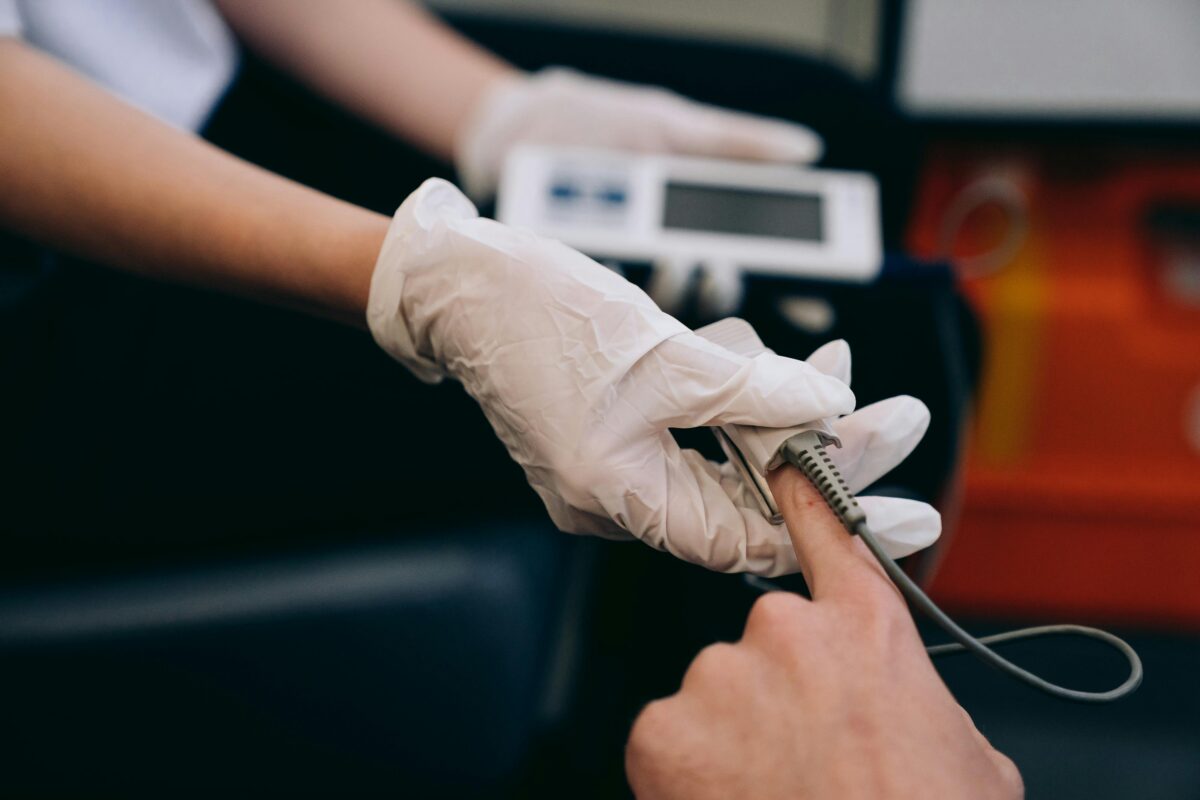
Annual check-ups are routine visits to your primary care physician to assess your overall health status. These appointments serve as preventive measures that allow your doctor to monitor vital signs and detect potential issues early. Regular visits help you establish a baseline for your health, making it easier to spot changes over time. Taking the time to prepare for this visit helps you get the most out of your appointment, and you can approach your healthcare proactively by gathering necessary information beforehand.
Key Preparations
Preparation is a critical step in productive annual check-ups, and being organized before you arrive can help you get the most out of your time with your doctor. While preparation may seem time-consuming, it ultimately leads to a more efficient and effective appointment. Start by reviewing your medical history and noting any significant changes since your last appointment. This includes any new diagnoses, surgeries, or major lifestyle shifts that could impact your well-being. Create a comprehensive list of all medications you currently take. Include prescription drugs, over-the-counter medicines, vitamins, and herbal supplements. Write down the dosages and how often you take them to provide your physician with a clear picture. It is also helpful to bring the actual bottles if you are unsure about specific names or concentrations.
Compile a list of questions or concerns you want to address. It is easy to forget specific details during the appointment, so writing them down keeps you focused. Ask about:
- New symptoms you have experienced
- Screening tests appropriate for your age
- Vaccination updates
- Lifestyle advice regarding diet or exercise
Check your insurance coverage prior to the visit. To avoid unexpected costs, confirm which tests or screenings are covered under your plan.
Open Communication During Annual Check-ups
When you arrive for your appointment, be ready to discuss your health openly and honestly. Your doctor relies on accurate information to provide the best possible care and guidance, so do not hesitate to share details about your diet, exercise habits, sleep patterns, or stress levels. The physical examination typically involves checking your weight, height, and blood pressure. Your doctor will likely listen to your heart and lungs and may examine your eyes, ears, and throat. Depending on your age and risk factors, they might recommend blood tests to check cholesterol or blood sugar levels.
Take notes during the conversation; writing down the doctor’s advice helps you remember instructions later. If the doctor uses medical terms you do not understand, ask for clarification immediately. Clear communication prevents misunderstandings about your health plan. This is also the time to review your vaccination history. Verify you are up to date on shots like the flu vaccine or tetanus booster. Discussing preventive screenings, such as mammograms or colonoscopies, is also a standard part of this visit.
Follow-up Actions
Although your appointment is over, the work does not end when you leave the doctor’s office. Review the summary of your visit and any instructions your physician provided. If your doctor ordered blood work or other tests, schedule them promptly. Delaying these tests can delay significant results that inform your health management. If you received a new prescription, fill it at your pharmacy as soon as possible. Read the instructions carefully, and take the medication correctly. Schedule any referrals to specialists if your primary care doctor recommended them. Specialists provide focused care for specific conditions and often require separate appointments. Review your test results once they become available. Many healthcare providers offer online portals where you can securely view lab reports. If you see results that concern you, contact your doctor’s office for an explanation.
Schedule Your Annual Check-up Today
Prioritizing your annual check-up is a fundamental aspect of maintaining your long-term health. These visits provide an opportunity to catch potential problems early when they are often most treatable. By preparing effectively, you help your time with the doctor stay focused and productive. Do not wait for symptoms to appear before seeing a physician; contact your healthcare provider to schedule your next annual wellness visit. Taking this step supports a healthier future and gives you greater control over your personal well-being.
Related posts

Free public domain CC0 photo. More: View public domain image source here