
Enhancing Your Smile With Fillers
January 19, 2026The Connection Between Gastroenterologists and Overall Health
January 19, 2026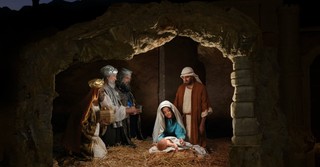
Discover the complete meaning and history of the nativität, including its religious significance, cultural evolution, artistic interpretations, and global traditions. Includes FAQs and an easy-to-read explanation.
also read: https://coomersparty.com/gayfirir/
Introduction
The concept of Nativität, or natality, is a fundamental pillar of demography that shapes the destiny of nations. In simple terms, it refers to the birth rate within a specific population over a designated period. While it might seem like a straightforward statistic, it is actually a complex tapestry woven from biological, social, economic, and political threads. Understanding how these factors interact is crucial for governments, economists, and sociologists as they plan for the future of healthcare, education, and the labor market.
What Does the Term “Nativität” Mean?
The word nativität comes from the Latin nativitas, which means “birth.” In Christian theology, it primarily refers to the birth of Jesus Christ in Bethlehem, as recorded in the New Testament. The story forms the foundation of Christmas celebrations and is expressed through church readings, artworks, performances, and nativity scenes. Although the term is mainly connected to Christianity, it is also used in art history and literature when referring to symbolic or mythical birth narratives in a broader sense.
Biblical Origins of the Nativität
The nativität is described in two Gospels: Matthew and Luke. While both recount the birth of Jesus, each offers a distinctive perspective.
The Nativity in the Gospel of Luke
Luke focuses on the journey of Mary and Joseph to Bethlehem, Jesus’ birth in a manger, and the visitation of the shepherds. This version is often seen as warm and human-centered, emphasizing humility and divine closeness to ordinary people.
The Nativity in the Gospel of Matthew
Matthew highlights the visit of the Wise Men (Magi) from the East. Their journey symbolizes the universal significance of Jesus’ birth, as they represent nations outside of Jewish culture. The gifts they bring—gold, frankincense, and myrrh—add rich symbolic meaning to the nativität.
Historical Development of Nativity Depictions
While the nativität began as a simple religious narrative, it expanded over the centuries into a central cultural and artistic theme.
Early Christian Era
The earliest depictions of the nativität date back to the 4th century and are found in Roman catacombs. These simple images typically show Mary, the Christ child, and the manger, emphasizing humility and divine simplicity.
Medieval Period
In the Middle Ages, the nativity became a dominant theme in Christian art. Illuminated manuscripts, stained glass windows, and church frescoes depicted elaborate scenes. The tradition of creating nativity cribs, known as crèches, also became widespread during this period.
Renaissance and Early Modern Era
Artists such as Caravaggio, Botticelli, and Dürer introduced emotional depth, realism, and symbolic lighting to nativity scenes. Their works transformed the nativität into a powerful artistic narrative that blended spirituality and human emotion.
Modern Interpretations
Today the nativität appears in countless formats, from handcrafted wooden sets to digital animations. Live nativity performances, contemporary art installations, and multicultural adaptations showcase how flexible and relevant the story remains.
Symbolism Within the Nativität
The elements within a nativity scene are rich with symbolic meaning extending far beyond the birth story itself.
Mary and Joseph
Mary represents purity, courage, and faithful obedience. Joseph symbolizes protection, responsibility, and humility. Together, they embody the human dimension of divine intervention.
The Christ Child
The infant Jesus symbolizes hope, renewal, and divine presence. His placement in a manger highlights simplicity and humility.
The Manger
The manger underscores the idea that profound spiritual events can occur in the most unexpected, humble places. It has become the central object in nativity displays worldwide.
The Shepherds
Shepherds symbolize ordinary people who receive extraordinary spiritual revelations. Their presence emphasizes that the message of the nativität is meant for all.
The Wise Men
The Magi represent broader humanity and wisdom. Their three gifts—gold, frankincense, and myrrhe—symbolize kingship, divine worship, and mortality.
The Nativität Across Global Cultures
While the nativität has one biblical origin, its expression varies significantly across cultures. This diversity showcases how deeply communities blend their traditions with the nativity story.
| Region / Culture | Distinctive Features of Nativity Representation |
|---|---|
| Italy | Elaborate handcrafted cribs and large public nativity exhibits |
| Spain | Detailed “Belén” displays, sometimes recreating entire villages |
| Latin America | Colorful nativity art with folkloric clothing and music |
| Germany | Wooden carvings, Advent traditions, and regional crib styles |
| Philippines | Simbang Gabi (night Masses) and bright star lanterns (Parol) |
Each cultural adaptation highlights the universal emotional appeal of the nativity while celebrating local identity.
Modern Relevance of the Nativität
Even in today’s secular or multicultural societies, the nativität remains meaningful. It conveys universal themes such as family, compassion, new beginnings, and hope. Even individuals who do not celebrate Christmas religiously often appreciate the symbolic beauty of the story. The nativität also acts as a bridge between generations, as families pass down traditions such as setting up a nativity scene or attending seasonal plays. Its enduring presence in art, media, and cultural celebrations demonstrates how deeply human the story is.
Contemporary Forms of Nativität Displays
Creativity has expanded the ways in which the nativität is portrayed worldwide. Popular modern formats include:
- Classic wooden or ceramic nativity sets
- Live community nativity plays
- Digital or animated nativity experiences
- Minimalist or abstract art interpretations
- Multicultural nativities depicting regional attire and customs
These varied representations help keep the story fresh, relatable, and engaging for new generations.
Traditional vs. Modern Nativity: A Comparison
The evolution of the nativität can be seen clearly when comparing earlier traditions with modern expressions:
| Aspect | Traditional Nativität | Modern Nativität |
|---|---|---|
| Materials | Wood, clay, stone | Resin, metal, digital formats |
| Presentation | Churches and homes | Public installations, projections, online formats |
| Focus | Religious symbolism | Artistic creativity or cultural identity |
| Style | Realistic and detailed | Abstract, stylized, or contemporary |
This contrast highlights how the nativität adapts to changing artistic and cultural landscapes.
The Consequences of Declining Nativität
Why are policymakers so worried about low birth rates? The implications are profound for the structure of society.
Economic Stagnation: A shrinking workforce means fewer people are producing goods and services. This can lead to a decline in GDP and a lack of innovation, as younger people are typically the drivers of technological change.
The Pension Crisis: Most modern economies rely on a “pay-as-you-go” social security system where current workers pay for the pensions of retirees. As Nativität declines, the ratio of workers to retirees shrinks, putting immense pressure on the state budget.
Social Isolation: In societies with very low birth rates, the family unit shrinks. There are fewer siblings, cousins, and extended family members to provide emotional and physical support, leading to an increased reliance on state-run social services.
Frequently Asked Questions
1. What is the core meaning of the nativität?
It refers to the birth of Jesus Christ, celebrated as a foundational Christian event.
2. Are nativity scenes always religious?
They originated religiously but have expanded into cultural and artistic traditions.
3. Who introduced the first nativity crib?
St. Francis of Assisi is credited with creating the first live nativity scene in 1223.
4. Why is the manger important in the nativity story?
It symbolizes humility and the unexpected nature of divine events.
5. Why are angels often included in nativity scenes?
They represent the heavenly announcement of Jesus’ birth.
6. Do all Christian denominations celebrate the nativität the same way?
No, traditions vary widely between Catholic, Protestant, and Orthodox practices.
7. What do modern multicultural nativities represent?
They symbolize the universal message of the nativity through local traditions.
8. Are animals in nativity scenes mentioned in the Bible?
Not specifically, but tradition includes them to reflect the stable setting.
9. Why is Bethlehem central to the nativität?
It fulfills Old Testament prophecy regarding the birthplace of the Messiah.
10. What does the star above the nativity symbolize?
It represents the guiding star that led the Wise Men to Jesus.
Conclusion
The nativität is far more than a simple birth story. It connects ancient scripture with centuries of artistic tradition, cultural celebration, and spiritual reflection. Whether depicted in classical paintings, handcrafted cribs, or modern digital art, the nativität continues to inspire themes of hope, renewal, humility, and unity. Its universal message ensures that it remains a meaningful and cherished tradition for people around the world.