The Role of Restorative Dentistry in Treating Dental Emergencies
February 25, 2026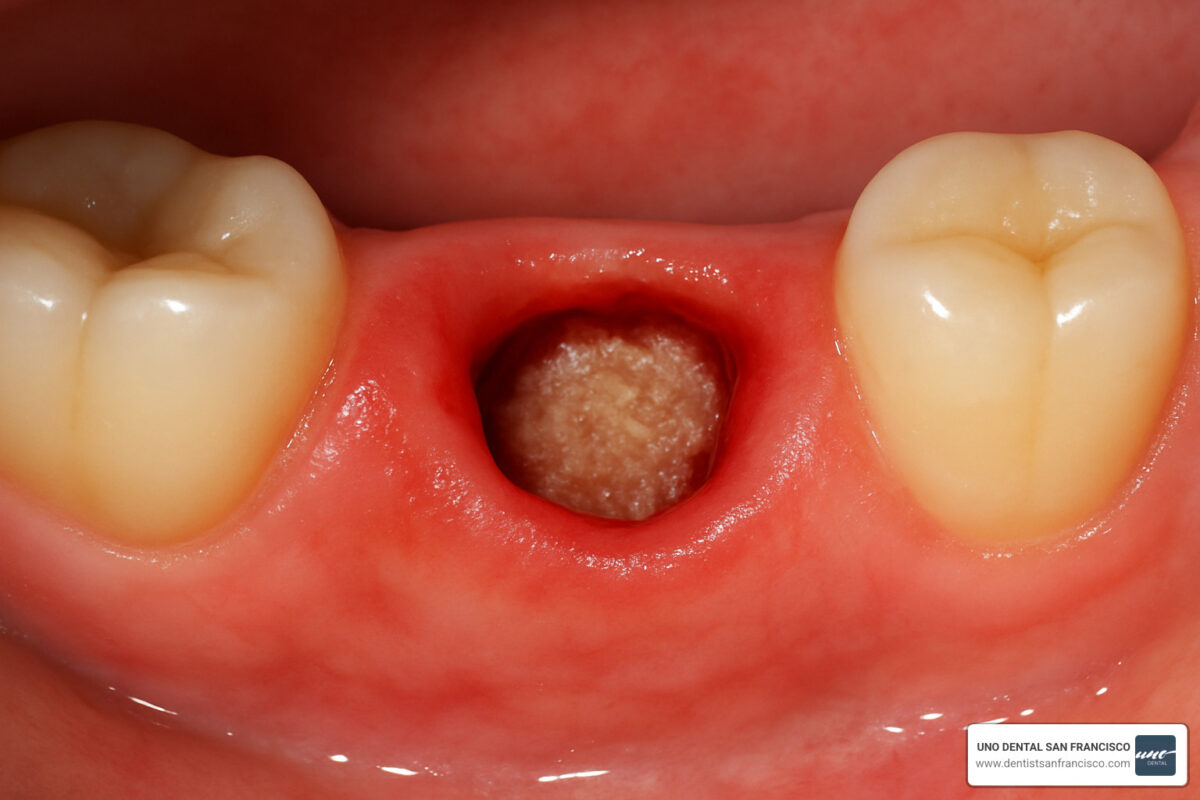
Oral surgery is a term that encompasses surgical procedures performed on the teeth, gums, jaw, and surrounding facial structures. Conditions such as jaw realignment and treatment of oral diseases may require oral surgery; replacement of missing teeth with implants also requires surgery. Recovery from these procedures varies based on the type and complexity of the surgery. Following proper recovery guidelines can help promote healing and reduce complications.
Oral Surgery Types
Oral surgery includes a range of procedures that address different dental and facial concerns. Tooth extractions remove damaged or problematic teeth, and dental implant surgery places artificial tooth roots into the jawbone. Corrective jaw surgery, also known as orthognathic surgery, repositions the jaw to improve function and appearance. Each procedure requires specific post-operative care to support proper healing.
Typical Recovery Goals
The primary goal of recovery is to allow the surgical site to heal while minimizing pain, swelling, and risk of infection. Your body needs time to repair tissues, and it needs rest to rebuild strength in the affected area. Following your surgeon’s instructions helps prevent complications such as dry socket, infection, or delayed healing. Most patients can return to normal activities within a few days to several weeks, depending on the extent of the surgery.
Proper Self-care Tips
Taking proper care of yourself after oral surgery helps promote healing and can reduce discomfort. Your surgeon will provide specific instructions tailored to your procedure, but several general guidelines apply to most cases. Recovery instructions will vary slightly based on which procedure you had and individual factors.
Pain Management
Managing pain and swelling is a primary concern in the first few days. Apply ice packs to the outside of your face for short intervals during the first 24 hours to reduce swelling, and take prescribed or over-the-counter pain medications as directed by your surgeon. After the first day, you may switch to warm compresses if recommended.
Diet Changes
Diet modifications protect the surgical site and prevent irritation; consume soft foods such as yogurt, applesauce, mashed potatoes, and smoothies for the first few days. Avoid hot or crunchy foods that could irritate healing tissues. Drinking plenty of water keeps you hydrated.
Oral Hygiene
Oral hygiene requires careful attention to prevent infection while avoiding damage to the surgical site. Gently rinse your mouth with salt water several times a day, as this reduces inflammation; brush your teeth carefully, and avoid the surgical area. Your surgeon may recommend an antimicrobial mouthwash to reduce bacteria in your mouth.
Physical Rest
Rest is necessary for your body to focus energy on healing. Limit physical activity according to your surgeon’s instructions, and avoid strenuous exercise for a few days. Keep your head elevated when lying down to minimize swelling and promote proper blood flow.
Potential Warning Signs
While some discomfort is normal after oral surgery, certain symptoms indicate complications that require professional attention. Some of these symptoms may include:
- Excessive bleeding that doesn’t stop.
- Severe pain that worsens over time or doesn’t respond to prescribed medication.
- Fever above 102°F that does not respond to medication for two days
- Difficulty breathing or swallowing
- Persistent numbness or tingling beyond the expected timeframe
- Swelling that worsens or is filled with fluid
- Foul taste or odor from the surgical site
Contact your oral surgeon immediately if you experience any of these symptoms or if you are concerned about your recovery. Early intervention can prevent serious complications and support a smoother recovery.
Learn More About Oral Surgery
Recovery from oral surgery requires patience and attention to post-operative instructions. By managing pain and swelling, eating appropriate foods, maintaining oral hygiene, and getting adequate rest, you can promote healing and reduce the risk of complications; recognizing warning signs that require medical attention helps you address issues before they become serious. If you want to learn more about oral surgery recovery, consult a dental provider near you.