Exploring Non-Surgical Treatments Offered by Foot Specialists
January 13, 2026A Comprehensive Guide to Body Hair Transplant
January 14, 2026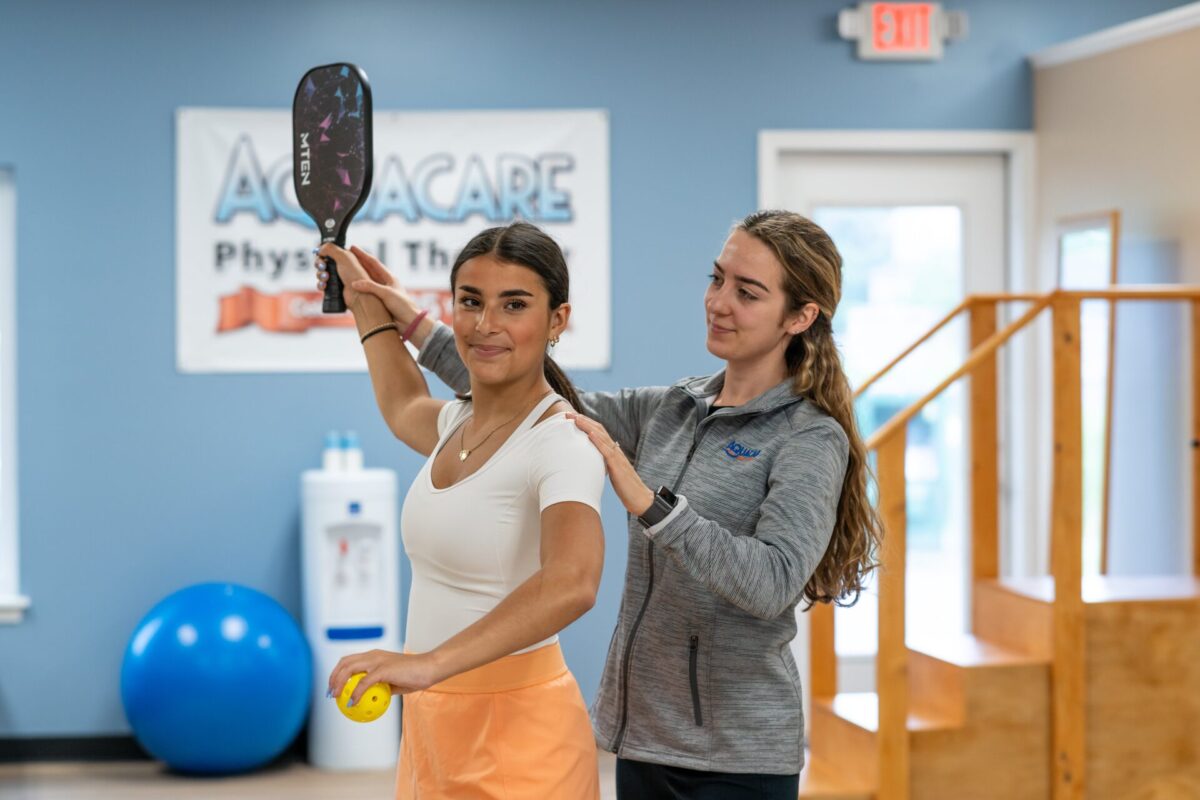
Youth sports demand significant physical effort from kids and teens, and since their bodies are still growing, young athletes require special protection and care. Sports medicine specialists focus on the unique needs of pediatric patients, understanding how different development stages can influence risk and recovery. Here are some of the benefits of sports medicine for young athletes:
Preventing Injuries
Because children’s bones are still developing, they may be more prone to certain types of injuries. Growth plates stay open during these years, and repetitive activities can place added stress on joints and muscles. While rest provides relief, proactive assessment and early intervention help stop small problems from worsening.
A focus on proper form helps to reduce strain on any one muscle group or joint. When needed, assessments reveal muscle imbalances that trained staff can correct, sometimes before the athlete notices discomfort. Athletes can improve movement patterns, and they may lower their risk of sprains, strains, or stress fractures.
Recovering Faster
Sports carry a risk of injury, and quick, effective recovery improves quality of life for growing athletes. Individual rehabilitation programs address the exact problem area, helping recovery stay on track. Since healthy young tissue usually heals more rapidly, the right medical oversight supports the body’s natural process. Recovery is typically monitored, and each step is adapted to the athlete’s progress.
Treatments include:
- Therapeutic exercises to rebuild strength
- Manual therapy for restoring flexibility
- Gradual movement retraining to regain function
Boosting Performance
Small biomechanical tweaks, such as adjusting stride length, help young athletes move more efficiently and sometimes faster. Sports medicine experts may use analysis and practical exercises, and this helps them to make small changes. These efforts make a difference for those looking to improve their performance level.
Nutrition also has a large impact on athletic output. Active kids and teens may burn energy rapidly, so they need healthy meals and snacks that provide enough fuel. Hydration is a practical concern during long practices or summer games, and it can prevent unnecessary fatigue. Medical providers work with athletes and families on realistic plans that meet the demands of training and competition.
One more tool in the athlete’s toolkit is mindset. Motivation increases an athlete’s consistency, while stress and anxiety tend to diminish focus. Sports psychology gives young athletes resources for navigating the mental parts of their sport, and they deal with nerves or pressure in a healthy way.
Customizing Care
Every young athlete develops at their own pace, and health needs vary. The difference between a preteen and a teen athlete extends to their rate of physical growth, injury risk, and athletic goals. Custom treatment plans take this into account, offering medical guidance matched to current needs and future potential. By tracking medical history and understanding each athlete’s activity, sports medicine delivers care that supports both health and long-term development.
Find Sports Medicine Treatments
If pain, recurring symptoms, or mobility issues interrupt play, it’s helpful to seek a professional evaluation without delay. When families work with a sports medicine team, young athletes can receive steady guidance and positive support through all stages of growth. Book an appointment today to discuss your child’s unique needs and challenges, and aim to improve their health and safety.