

Understanding Seasonal Affective Disorder
March 4, 2026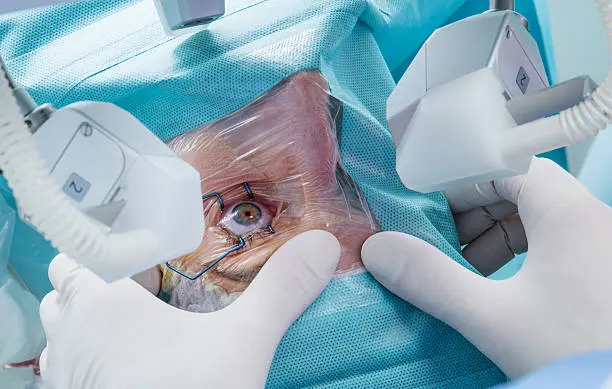
LASIK surgery changes the shape of the cornea to correct vision, and it can help people seeking a non-glasses solution. It is a standard optometry procedure, and it is performed in eye clinics around the world. As medical tools and research move ahead, ophthalmologists have new techniques to treat different vision needs. Here is more information about advances in LASIK eye surgery:
Bladeless Lasers
Surgeons typically have moved away from steel blades, opting for femtosecond laser technology to create the corneal flap. A series of light pulses completes this step safely, and the process keeps physical blades away from sensitive eye tissue. The laser produces tiny bubbles, and these bubbles gently separate the top layer from the deeper corneal tissue.
This laser method is much different from earlier manual tools, which carried certain risks. With a computer-guided system, the doctor monitors the progress in real time and can make adjustments as needed. Once the flap is formed, it’s lifted for the next step in the process, and the surgeon begins to reshape the underlying tissue.
Advanced Diagnostic Testing
Eye doctors begin every LASIK surgery procedure with in-depth diagnostic testing. They use mapping machines that capture the unique landscape of each patient’s eyes, and these images are used to plan the procedure. Since the process depends on personal data, each treatment is carefully tailored to the individual.
Topography devices are standard in leading clinics. They provide a map of the eye’s surface, and this map displays tiny variances. Surgeons examine this detailed information, which allows them to use it to create a targeted approach for the procedure.
Newer mapping technologies offer faster and more detailed results. In some cases, eye clinics record a complete picture of eye measurements in minutes. Technicians store this data on secure computers, and the surgical team accesses it when planning each case.
Advanced Customization
The field now offers a high level of customization for each procedure. Doctors enter your diagnostic and topography data into a sophisticated laser system, which calibrates its output for each individual. Since people’s eyes move slightly during surgery, the laser’s advanced tracking helps the device remain focused at every moment, supporting accurate results.
Faster Results
The LASIK field has witnessed improvements not just in precision but also in speed. Modern laser platforms now operate at extremely high pulses per second, and this means procedures finish more quickly than in the past. Reduced time under the laser supports patient comfort, and the surgical process moves efficiently from start to finish. When the reshaping is complete, the patient heads to recovery.
Today’s advanced equipment supports the process with features like:
- Rapid eye tracking
- Exact laser pulses
- Automated safety pauses
Much of the improvement lies in this blend of speed and safety. To make the procedure straightforward for both patient and medical team, clinics rely on these platforms.
Schedule LASIK Surgery Treatments
With these new tools and technologies, eye care teams offer updated solutions for a broad range of vision concerns. If you are interested in exploring LASIK, reach out to an eye clinic for an initial exam. A team of medical professionals can review your current vision health, and they walk you through all available options. Take the next step and schedule a consultation to make an informed decision about your vision care.