

Symptoms and Treatment Options for Bacterial Vaginosis
February 15, 2026
Police Officer Salary Explained and What to Expect at Every Career Stage
February 19, 2026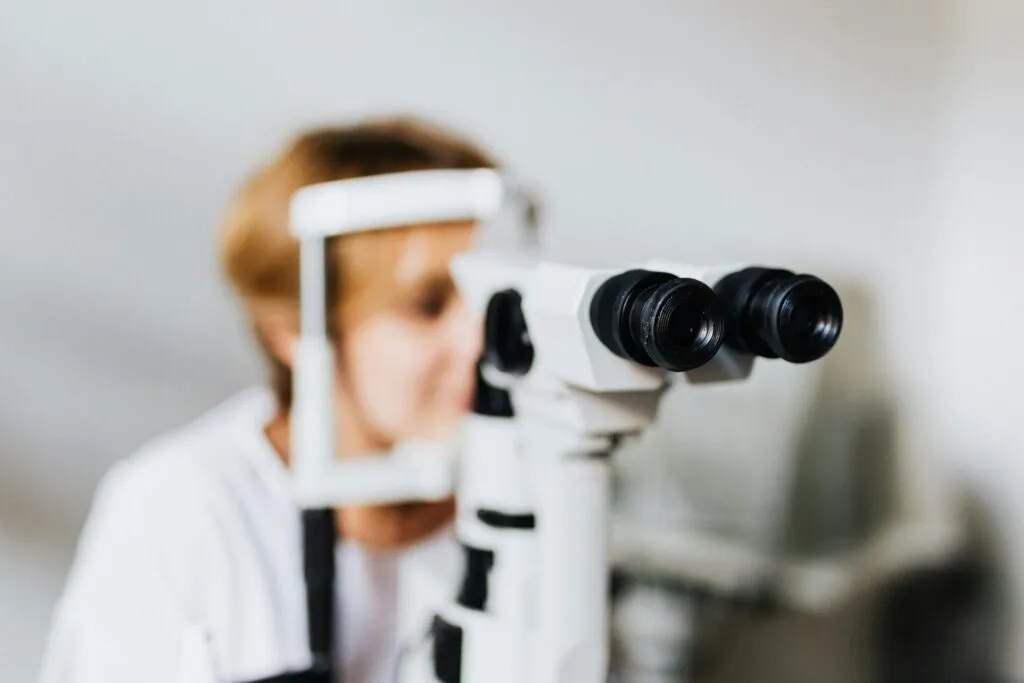
Ophthalmologists are medical doctors who diagnose, treat, and prevent diseases of the eye and visual system. They also play a key role in preventive care by identifying early changes that may not yet affect vision and addressing risk factors before they lead to permanent damage. Here’s more information on the role of an ophthalmologist in eye health and disease prevention:
Detecting Problems Early
Routine eye examinations are the first line of treatment against potential vision loss and help maintain optimal ocular function. These comprehensive evaluations allow ophthalmologists to examine the eye’s structure and detect subtle changes that a patient may not notice on their own. Here are some of the eye exams they recommend:
- Visual Acuity Tests: These tests assess visual acuity at various distances to determine whether prescription glasses or contact lenses are needed.
- Tonometry: This test measures intraocular pressure, and elevated pressure is a key indicator of glaucoma risk.
- Dilated Eye Exam: Drops dilate the pupil, allowing the physician to examine the retina and optic nerve for signs of damage or disease.
- Slit-Lamp Examination: This microscope provides a 3D view of the eye to check the cornea, iris, and lens for abnormalities.
These tests provide a comprehensive assessment of eye health and establish a baseline for future comparisons.
Preventing High-Risk Issues
Certain individuals are at higher risk of developing eye diseases due to genetic factors, age, or systemic health conditions. Family history plays a fundamental role in eye health; patients should share this information with ophthalmologists. Those with a family history of glaucoma or macular degeneration need frequent monitoring to preserve their sight.
Age is another major factor, as the risk for cataracts and other age-related issues increases significantly as individuals age. Ophthalmologists design customized screening schedules for these high-risk groups to detect issues before they cause irreversible damage. They can detect subtle changes in the optic nerve or retina years before a patient notices vision loss.
Diagnosing and Treating Eye Diseases
When prevention is not possible, accurate diagnosis and effective treatment become the primary focus for ophthalmologists. These specialists use advanced technology and surgical skills to manage a wide range of complex eye conditions. Here are some of the conditions they manage:
- Glaucoma Management: Treatment often begins with topical medications to lower intraocular pressure, but laser procedures or surgery may be necessary for advanced cases.
- Cataract Surgery: When the eye’s lens becomes cloudy, surgeons replace it with an artificial intraocular lens to restore clear vision.
- Macular Degeneration Therapy: Injections and specific vitamin regimens can help slow disease progression and preserve central vision.
- Diabetic Retinopathy Treatment: Laser surgery or vitrectomy helps shrink abnormal blood vessels or remove blood from the eye to prevent blindness.
Early diagnosis enables less invasive treatments and often leads to better long-term outcomes for patients.
Protecting Vision Daily
Daily habits and lifestyle choices contribute significantly to long-term vision preservation and general eye health. Protection from ultraviolet (UV) rays is fundamental, as long-term exposure can accelerate cataract formation and other tissue damage. Wearing sunglasses that block 100% of UV rays is a helpful preventive measure that everyone should contemplate. Digital eye strain is another growing concern in the modern world due to prolonged screen time. Ophthalmologists suggest the 20-20-20 rule to reduce strain: look at something 20 feet away for 20 seconds every 20 minutes.
Consult Ophthalmologists Today
Regular care from ophthalmologists offers the best chance for maintaining clear vision throughout life. These specialists provide comprehensive services ranging from routine screenings to complex surgical interventions, and can detect eye health issues early. Contact a reputable eye ophthalmology practice near you to schedule your consultation with professional ophthalmologists today.
Related posts

Free public domain CC0 photo. More: View public domain image source here