
The Intersection of Functional and Aesthetic Goals in Cosmetic Dentistry
February 25, 2026
Recovery Tips After Oral Surgery
February 26, 2026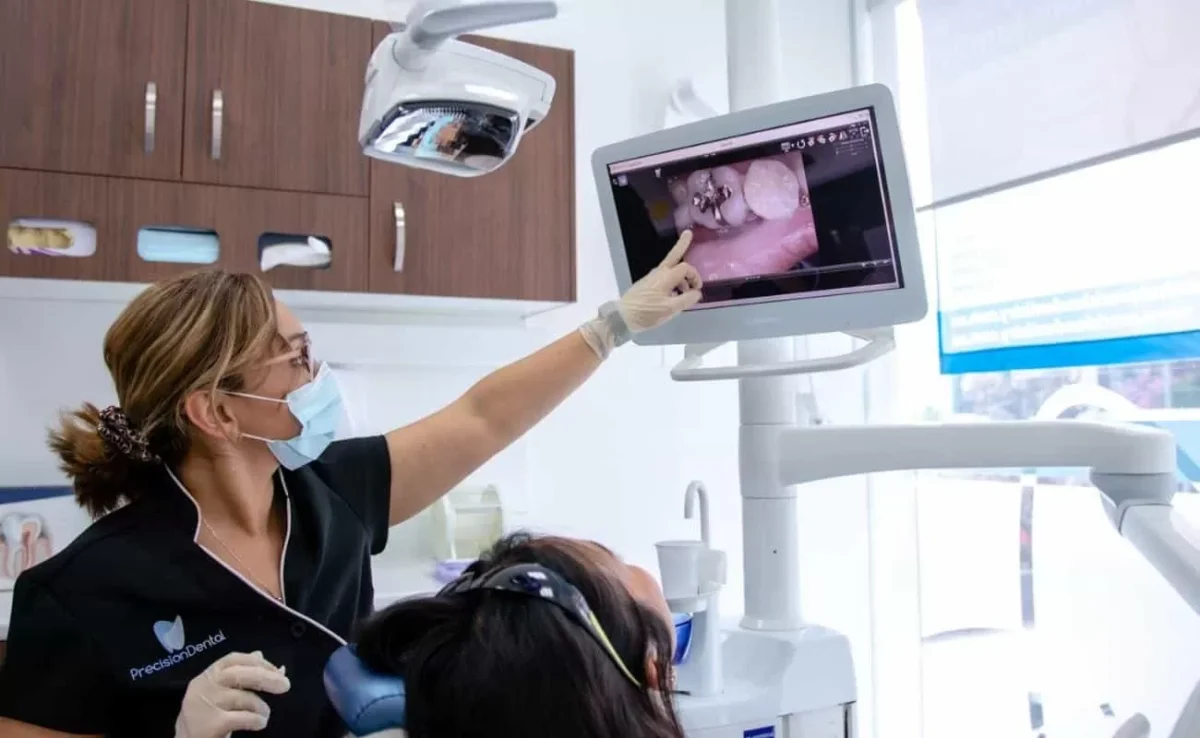
A broken tooth often happens unexpectedly, and it requires quick action. You might feel pain suddenly. Because the enamel is damaged, you must seek emergency restorative dentistry. A dentist can quickly assess the damage and recommend a specific treatment plan.
Preservation and Repair Solutions
Minor damage often needs only simple repairs to restore function. A dentist applies a tooth-colored filling to seal the break. Tooth-colored fillings closely match your teeth, so they blend in with your natural teeth. If the chip is small, this quick procedure helps protect the inner layers of your tooth. Your dentist will check for any hidden damage and clean the area before using restorative dentistry techniques. Chips and cracks lessen stability, so early intervention helps prevent deeper structural problems later. Veneers are another option that addresses cosmetic concerns and supports the enamel. Veneers are thin shells bonded directly to teeth. After treatment, you return to normal eating, and your tooth’s appearance is maintained. When a fracture is addressed early, more complex procedures are often avoided. If you’re unsure if you need an urgent visit, speak with your dentist for personalized advice.
Tooth Structure Reinforcements
Severe cracks often require stronger solutions to support the tooth structure. A crown fits over the tooth, and it serves as a protective cap. This helps you use the tooth for normal chewing, and it helps reduce further damage. Temporary crowns can sometimes be used first if swelling or infection is present. When a break reaches the pulp, a root canal is often recommended to address the tooth’s interior, and the crown then adds coverage. Discuss the different options with your dentist.
If discomfort occurs, your dentist suggests ways to manage it until treatment is complete. Crowns and bridges are options in restorative dentistry that support function and daily activities. Different options are used at different times. A dental bridge can be used if several teeth are damaged or weakened. The aim is to restore biting force, and it maintains patient comfort. Your dentist will check the fit to support function and adjust as needed before final placement. The process may take multiple visits, but the overall goal is a tooth that works for you.
Replacement and Implant Options
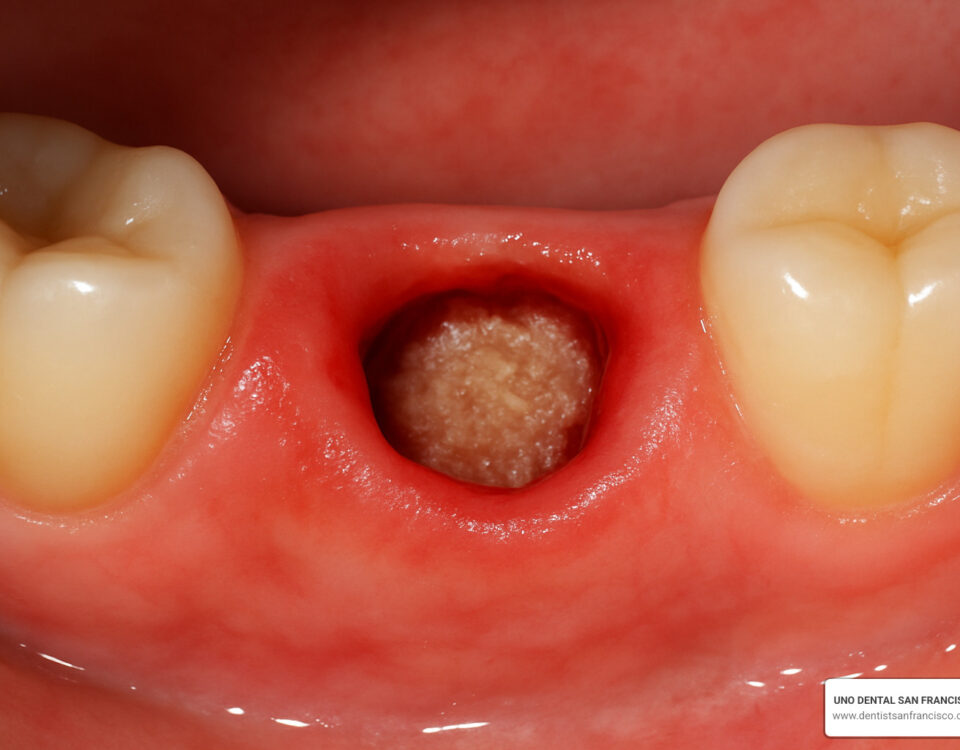
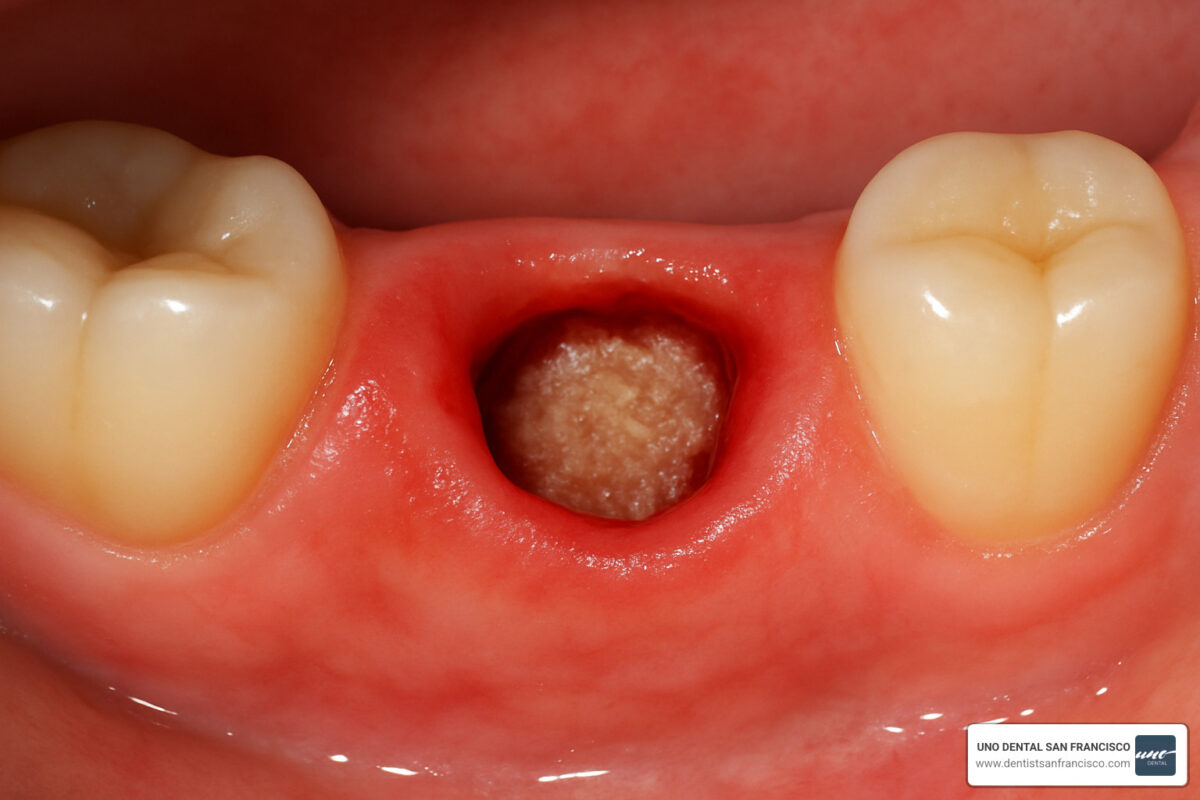
Some injuries are too severe for repair, and they may require tooth removal. An extraction removes the damaged tooth, and a replacement fills the gap left by the extraction. If you lose a tooth, a dental implant is placed to support the tooth. This option helps preserve spacing between teeth over time. Bridges are also used to address tooth loss, attaching to healthy adjacent teeth. Your dentist will talk through options to determine which suits your situation. Missing one or more teeth changes alignment, so prompt replacement helps maintain oral health. Dental implants and bridges both serve to fill gaps and help restore normal chewing. Filling these spaces can also assist with clear speaking and comfort.
Schedule Your Restorative Dentistry Exam
Restorative dentistry provides solutions for broken or damaged teeth. Call your office today, and we will schedule your emergency appointment. Because delays can lead to complications, prompt treatment helps your smile remain functional. Your team handles dental emergencies with care and offers tailored options to meet your specific needs. Do not wait in pain when help is available.