

Evonygalore: The Ultimate Guide to Mastering Evony Strategies
January 14, 2026Top Strategies for Effective Skin Rejuvenation
January 14, 2026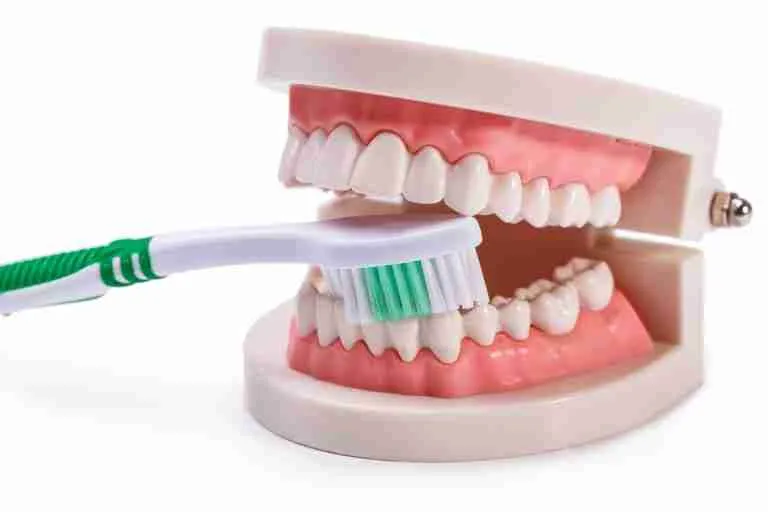
Dentures are removable replacements for missing teeth and surrounding tissues, and they require maintenance. While they take some getting used to, they restore the ability to speak and chew more comfortably. To keep your dentures working well and to avoid discomfort, a care routine is helpful. Here are some tips for maintaining your dentures and your oral health:
Rinse Dentures Daily
After meals, food particles may become trapped under your dentures, so it helps to rinse them with water. This straightforward action dislodges loose debris that would otherwise remain, and rinsing also helps support oral hygiene. For many people, adding this step to their routine feels manageable and rewarding. Dentures need daily attention for them to stay clean, and rinsing is a quick way to keep them fresh during the day.
Brush Gums
Brush your gums, tongue, and palate every morning with a soft-bristled brush before you insert your dentures. Brushing encourages blood flow in your tissues, and it helps remove plaque that could otherwise build up. With this daily practice, you support the overall health of your mouth, especially if you’re adjusting to new changes.
Caring for your mouth involves additional steps. Your palate and tongue also benefit from gentle cleaning, and this supports a healthy oral environment. By using a toothbrush designed for sensitive tissues, you help keep irritation to a minimum.
This habit helps keep the mouth clean and makes wearing an appliance feel more natural. A regular cleaning routine removes bacteria, and it helps prevent odors. You may be less likely to experience sore spots throughout the day if your mouth remains clean.
Schedule Regular Exams
Regular dental exams are a routine part of successful denture care. During these visits, your dentist reviews your mouth for changes and evaluates whether your dentures still fit well. Your oral tissues can shift over time as bone and gum structure change, and small adjustments make a significant difference.
A dental professional also inspects your dentures closely for wear and tear. Looking for cracks or changes in shape is part of the process, and early intervention helps prevent further problems. By addressing small issues right away, you help to keep them from becoming more complicated and potentially affecting your daily life.
Adjust Dentures When Needed
Over the years, your dentures might start to feel different because your mouth changes gradually as you age. This can cause your dentures to loosen, and it may create new pressure points that didn’t bother you before. You may notice signs like discomfort or slipping, which are indicators that an adjustment could help. These signs include:
- Slippage when you try to speak or eat
- Discomfort or the development of mouth sores
- Sound of clicking when you chew food
A loose fit can lead to irritation and sometimes make eating unpleasant. You might discover that sore spots develop quickly. If your dentures start to move during meals, you may speak with your dentist for help. They will check the fit and may recommend relining or refitting, and this supports greater comfort.
Schedule an Appointment for Dentures
Consistent care and routine dental visits help keep both your dentures and mouth in good condition. Sticking to a regular routine also helps you spot changes early, so you stay comfortable longer. If you experience discomfort, changes in fit, or have questions, speak with a dental professional. Schedule an appointment to discuss your needs and receive support tailored to your situation.