
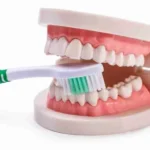
Tips for Longevity and Comfort for Dentures
January 14, 2026
The Pros and Cons of Daily vs. Monthly Contact Lenses
January 14, 2026The human skin undergoes physiological changes over time due to intrinsic aging and extrinsic environmental factors. Dermatology offers a variety of skin rejuvenation treatments designed to restore a youthful appearance and improve overall skin health. These procedures target specific layers of the dermal tissue, and they promote natural regeneration to repair the skin. Understanding available options helps patients make informed decisions regarding their long-term care.
What Is Skin Rejuvenation?
Skin rejuvenation encompasses a broad category of cosmetic procedures intended to restore the skin’s surface and underlying structure. These treatments range from non-invasive topical therapies to more intensive laser procedures, yet they all share the common goal of revitalization. A dermatologist evaluates the severity of skin damage and then recommends a protocol tailored to the patient’s specific condition.
What Are Effective Strategies?
Laser resurfacing is a method that utilizes focused light beams to vaporize damaged skin cells layer by layer. This precise technique allows treatment of specific areas without affecting surrounding tissue, thereby minimizing recovery times. Some lasers remove the outer layer of skin, while others penetrate beneath the surface to stimulate collagen growth.
Chemical peels involve the application of a clinical-grade solution to remove the top layers of the skin. The new skin that grows back is smoother, and it may appear more uniform than the old skin. These peels come in varying depths, including light, medium, and deep, depending on the severity of the skin issues being treated.
Microneedling and microdermabrasion are two mechanical methods employed for skin revitalization. Microneedling with platelet-rich plasma (PRP) or radiofrequency (RF) creates controlled micro-injuries to amplify collagen production, and the addition of PRP accelerates the healing process. Microdermabrasion uses a minimally invasive instrument to gently sand the skin, removing the thicker, uneven outer layer to treat light scarring.
What Does the Process Involve?
The rejuvenation process begins with a comprehensive medical evaluation to determine the most suitable treatment plan. A dermatologist examines the skin, and they discuss the patient’s medical history to rule out contraindications. This step maximizes the efficacy of the chosen procedure.
Pre-treatment protocols may require patients to avoid sun exposure and discontinue certain topical medications. The provider thoroughly cleans the treatment area, and a topical anesthetic may be applied to minimize discomfort during the session. Adherence to these preparatory instructions facilitates a smooth procedure. The duration of the treatment plan depends on the specific modality and the severity of the skin condition.
What Are the Benefits?
Clinical skin rejuvenation offers both aesthetic and physiological benefits for patients. A notable benefit is the visible reduction of surface irregularities, such as age spots and rough patches. Skin tone becomes more uniform, and the overall complexion appears brighter and more vibrant.
Long-term benefits include the restoration of skin elasticity through increased collagen and elastin production. This structural reinforcement helps delay further signs of aging, and it maintains the skin’s firmness over time. Some treatments also minimize pore size, contributing to a more refined, polished appearance.
Rejuvenate Your Skin Today
Advancements in dermatological science provide effective solutions for reversing signs of aging and repairing skin damage. A consultation with a licensed specialist helps patients learn more about achieving a healthier and more youthful complexion. Contact a clinic to schedule an appointment, and a specialist will create a customized treatment plan for you.