
Treatment Options for Hemorrhoids
March 4, 2026
The Latest Advances in LASIK Surgery Technology
March 4, 2026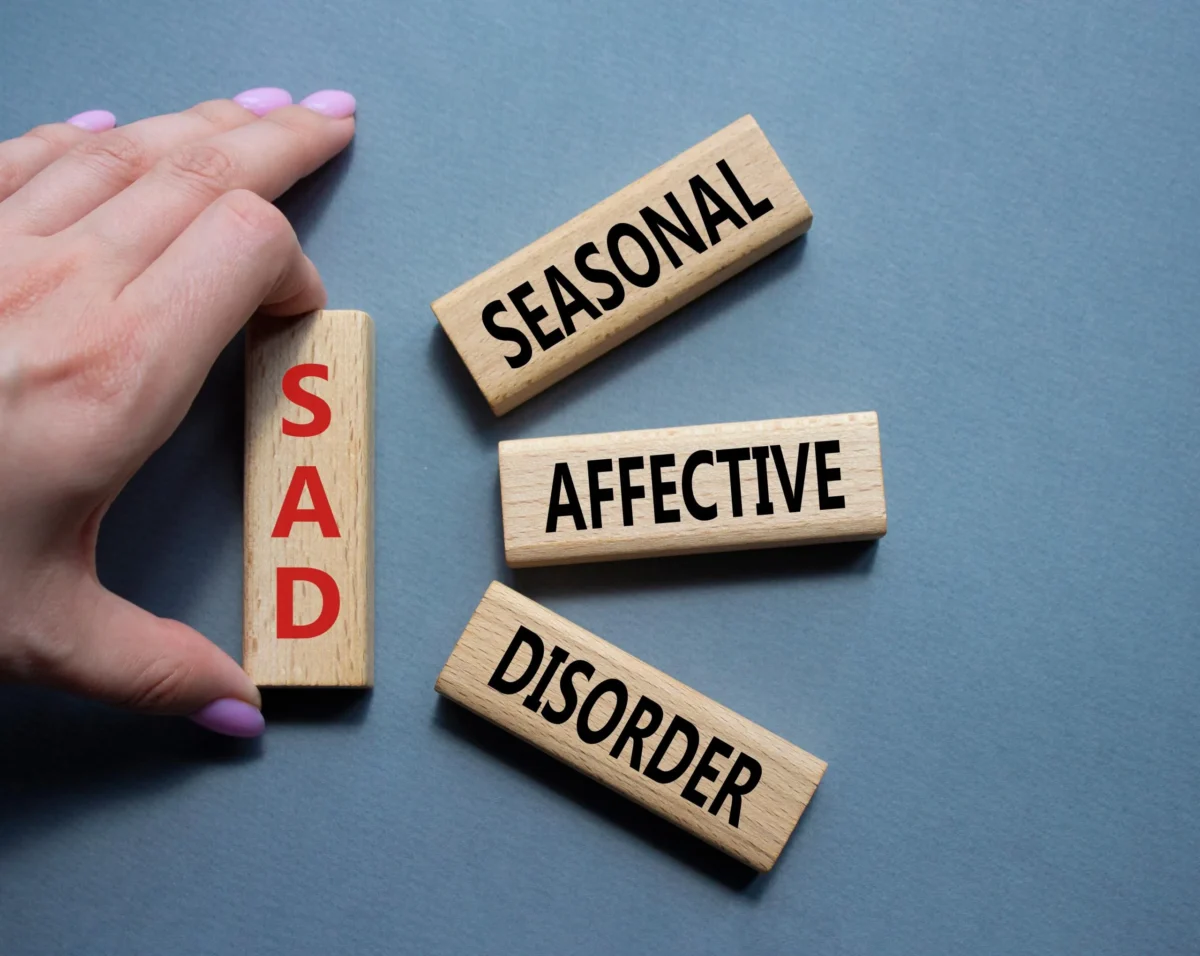
When autumn approaches, many individuals notice distinct mood shifts. Depression represents a recognized medical condition affecting mood and daily functioning. It’s a typical experience for many people, and recognizing the signs of depression and its various forms is the first step toward getting help. Here is more information about seasonal affective disorder and what it encompasses:
Reduced Sunlight
Shorter days impact circadian rhythms, and less light exposure modifies brain chemistry. If individuals live in northern regions, they notice this effect sooner. Sunlight dictates our natural biological clocks. Reduced daylight during late fall and winter often disrupts these cycles, making it harder for some people to stay energetic and engaged.
Melatonin production increases during the dark winter months. Because serotonin levels drop simultaneously, people often feel quite lethargic. This hormone regulates sleep cycles, but excess amounts cause daytime drowsiness. The lack of sunlight leads many to experience fatigue, changes in sleep, and less motivation.
Persistent Low Mood
Symptoms regularly include a noticeable loss of interest, as well as:
- Fatigue
- Appetite changes
- Social withdrawal
- Low energy
When people isolate from peers, they may experience deep sadness. Families observe these behavioral changes, and they recommend seeking medical help. Reduced participation in enjoyable activities can lead to isolation, which may worsen mood.
Sometimes, people with seasonal affective disorder feel their usual energy and interest in life slip away. Basic daily tasks might become difficult, and responsibilities at home or work sometimes get challenging. Individuals may find their mood consistently low, with little relief during the darker months.
Social connections typically weaken during periods of low mood or depression. When support systems aren’t present or emotions go unspoken, individuals might withdraw further. This pattern is challenging, but awareness alone is an empowering step.
Seasonal Duration
Because symptoms align with changing seasons, doctors track timelines carefully. Winter triggers a form of this seasonal disorder. Spring brings relief for most individuals, yet some experience summer episodes. Physicians document these recurring patterns annually.
Symptoms last for roughly four to five months. Patients report extreme tiredness, and they sleep longer than usual. Although the duration varies slightly, the seasonal pattern remains consistent.
Medical providers review a patient’s history over several years. Since the disorder follows the calendar, seasonal predictability aids accurate diagnosis. Identifying these patterns requires patience, and doctors rely on detailed logs to monitor changes.
Treatable Disorder
Professionals use therapeutic light boxes, and patients sit near them daily. Light therapy mimics natural outdoor sunshine. Although this specific method works well, some require additional medical interventions.
Therapists provide cognitive behavioral counseling. Since thought patterns dictate behavior, professionals target negative mental cycles. Patients learn new coping strategies, and they apply these tools daily.
If standard treatments fail, doctors explore advanced options like DTMS. Brain rehabilitation techniques stimulate specific neural pathways, and researchers monitor clinical outcomes. Medical clinics administer these specialized therapies.
Get Treated for Depression
Medical interventions exist for seasonal disorders, so do not ignore lingering symptoms. When you notice persistent mood changes, contact a local neurology clinic immediately. Schedule an appointment today to discuss your mental health options. Reaching out is a significant step, and support is available when you need it.