
The Role of Bulk Posting on Google My Business for Brand Growth
February 20, 2026
What To Expect During Your Annual Physicals
February 22, 2026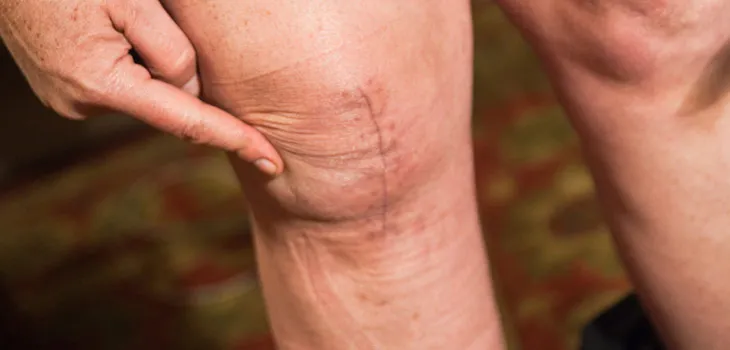
Arthritis is a general term for conditions that cause joint inflammation and pain. It is not a single disease; instead, it refers to joint pain or joint disease. There are more than 100 different types of arthritis and related conditions. People of all ages, sexes, and races can and do have arthritis. While symptoms may be similar, the causes and affected joints vary significantly from one type to another.
Osteoarthritis and Rheumatoid Arthritis
The most common form of arthritis, osteoarthritis (OA), is often called “wear and tear” arthritis because it occurs when the protective cartilage that cushions the ends of your bones wears down over time. OA may damage any joint, but the disorder most commonly affects joints in your hands, knees, hips, and spine. Symptoms often develop slowly and worsen over time. They may include pain, stiffness, and reduced flexibility in the affected joint.
Rheumatoid arthritis (RA) is different from osteoarthritis. RA is an autoimmune disorder, meaning your immune system mistakenly attacks your own tissues. It affects the lining of your joints, and it causes a painful swelling that may eventually lead to bone erosion and joint deformity. While RA may affect many joints, it commonly affects the small joints of the hands and feet. This condition may also affect other parts of the body, including the skin, eyes, lungs, and blood vessels.
Gout and Ankylosing Spondylitis
Gout is a common and complex form of arthritis characterized by sudden, severe attacks of pain, swelling, and redness in the joints. It often affects the big toe, but it can occur in any joint. Gout is caused by too much uric acid in the body, which form sharp crystals in a joint and cause intense pain. An attack can occur suddenly, often waking you up in the middle of the night. The affected joint is hot, swollen, and so tender that even the weight of a sheet on it may seem intolerable.
Ankylosing spondylitis is an inflammatory disease that, over time, causes some of the small bones in the spine (vertebrae) to fuse. This fusing makes the spine less flexible and may result in a hunched posture. It primarily affects the spine, but it can cause inflammation and pain in other parts of the body. Men are more likely to be affected than women. Symptoms typically begin in early adulthood and include pain and stiffness in the lower back and hips, especially in the morning.
Psoriatic and Juvenile Arthritis
Psoriatic arthritis is a form of arthritis that affects some people with psoriasis, a condition charcterized by red patches of skin covered with silvery scales. Most people develop psoriasis first and later develop psoriatic arthritis. The joint problems sometimes begin before skin patches appear. Joint pain, stiffness, and swelling are the main symptoms, and they can affect any part of your body, including your fingertips and spine.
Juvenile arthritis is not a single disease; it is an umbrella term for the many autoimmune and inflammatory conditions that can develop in children under 16. These types of arthritis cause joint inflammation and stiffness, and some cause serious complications, such as growth problems. The most common type is juvenile idiopathic arthritis. Treatment focuses on controlling pain, improving function, and preventing joint damage.
Talk to a Pain Specialist Today
Living with joint pain can be challenging, but a pain specialist can help. These physicians have specialized training in evaluating, diagnosing, and treating different types of pain. They can offer a comprehensive approach to managing your symptoms. If you experience persistent joint pain or stiffness that affects your quality of life, speaking with a specialist is recommended. They can work with you to create a personalized plan to effectively manage your condition.