

The Role of Regular Check-ups for Heart Disease
February 24, 2026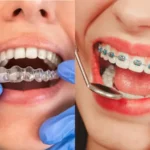
How Invisalign Aligners Work to Straighten Your Teeth
February 25, 2026Depression is a treatable condition, and understanding your options is the first step toward recovery. There are several treatments to manage symptoms. The path to healing often involves a combination of strategies tailored to your specific needs. Working closely with a healthcare provider allows you to find the most suitable approach, since your situation is unique.
Medication Options Available
Antidepressants are prescribed medications that help manage symptoms like persistent sadness, low energy, and difficulty concentrating. Your provider may prescribe antidepressants, which are often used to support symptom management for depression. Each medication has its own profile, and some people experience side effects. Your provider provides guidance on managing side effects if they arise. Some feelings improve only over time, so finding the right medication requires patience. Changes may take several weeks to appear.
Therapy Session Possibilities
Psychiatry offers structured support through various forms of psychiatric therapy. Therapy sessions provide a place to explore thoughts, behaviors, and patterns related to your mood. Cognitive-behavioral therapy (CBT) is one option that helps you identify negative thought patterns. You can learn skills to reframe these patterns and develop strategies to manage stress. Other approaches, such as interpersonal therapy or psychodynamic therapy, are suggested based on your needs. These therapies focus on relationships, past experiences, and ongoing conflicts. Regular sessions equip you with practical coping mechanisms for daily life. Therapists guide you through problem-solving exercises, or they can introduce relaxation techniques to manage stress.
Treatment Choices for You
Ketamine therapy and Spravato are options used when traditional antidepressants have not led to improvement. These treatments may be used after other standard medications have been tried, and your provider determines whether this approach is appropriate. Ketamine affects neurotransmitters in the brain, including glutamate, which is linked to learning and memory. Administration and monitoring take place in a medical setting, and individual experiences vary. If you are interested in these treatments, your provider can provide information. This helps you decide if they are right for you. Spravato is a nasal spray medication administered under medical supervision in a clinic setting.
Know what to expect from your appointment. You will be asked to remain in the clinic for a period after each dose so that healthcare staff can monitor your blood pressure, heart rate, and response to treatment. Before starting Spravato, your provider will review your medical history with you. Discuss possible side effects such as dizziness, temporary dissociation, or mild increases in blood pressure. Staff are available during your visits to answer questions, and they will provide guidance as needed. These treatments could be used for individuals who have not found relief with other medications. Sessions take place in a medical setting, and healthcare staff monitor your safety throughout the process.
Take Action Against Depression
You do not have to navigate depression alone, and professional help is available to support your recovery journey. Reach out to a qualified psychiatrist or mental health professional today. Discuss which strategies align with your needs. Since a comprehensive evaluation is the best way to determine your next step, do not hesitate. Your well-being matters, and taking this step may lead to improvements in your overall mental health.