

The Role of Cosmetic Dentistry in Restoring Damaged Teeth
February 27, 2026
What to Expect When Getting Custom Orthotics
February 27, 2026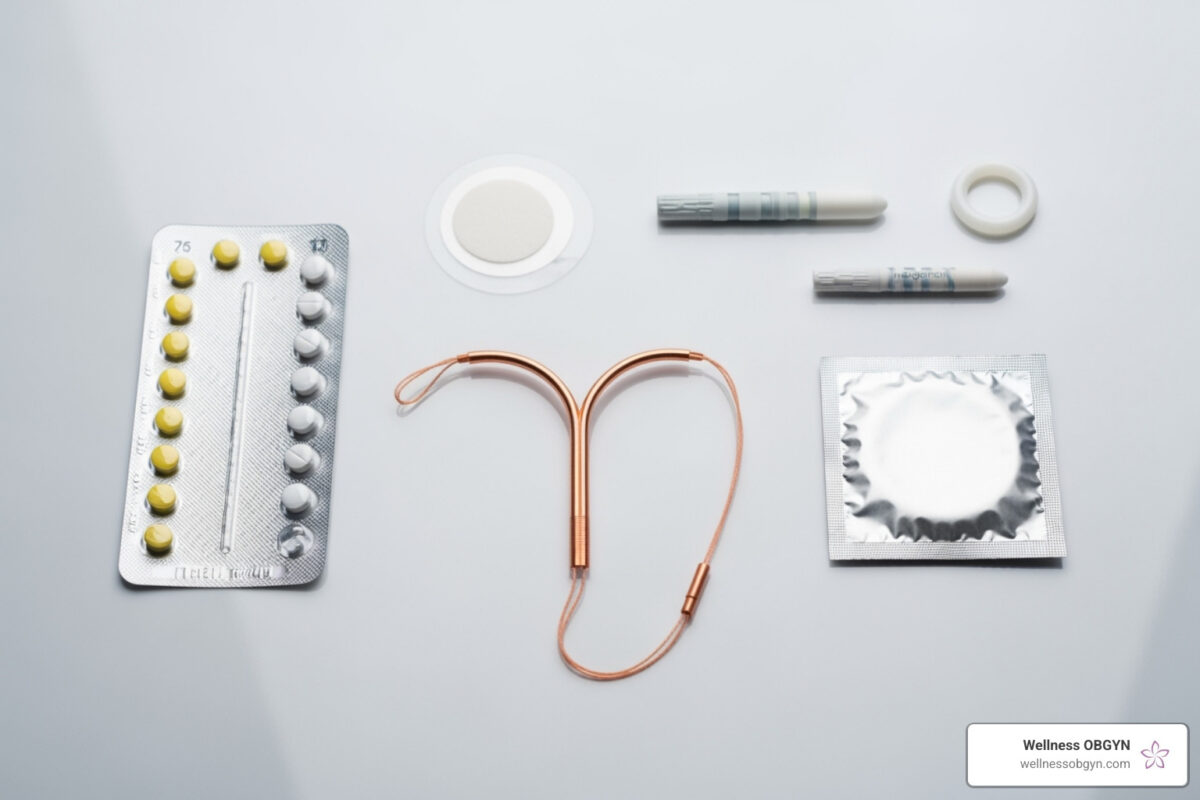
Choosing to use birth control is a way to prevent or delay pregnancy. An obstetrician-gynecologist (OBGYN) can provide guidance on the wide array of contraception options available to suit your specific lifestyle and preferences. Understanding the purpose of birth control and the different methods helps you prepare for a productive discussion with your healthcare provider about your reproductive health goals.
What Is Family Planning?
Family planning involves using birth control to avoid becoming pregnant until you are ready, or indefinitely. The right choice depends on your personal needs, such as your lifestyle and preferences. An OBGYN works with you to review these factors and find a method that aligns with your health and future goals. This process is personalized to help you manage your reproductive life effectively.
The fundamental purpose of birth control is to prevent pregnancy. This is achieved through several mechanisms. Some methods work by preventing the ovaries from releasing an egg. Others function by stopping sperm from reaching the egg. A third mechanism involves preventing a fertilized egg from implanting into the uterus. Your practitioner will explain how each potential option works so you can make an informed choice.
What Can It Involve?
A diverse selection of birth control options is available. These are often categorized based on their method of action and how frequently they must be used or administered. Natural family planning involves tracking your menstrual cycle to identify your most fertile days. Contraception is practiced by abstaining from sexual intercourse or using a barrier method during this fertile window. An OBGYN can help you learn to use this method properly for it to be effective.
Barrier Methods
Barrier methods work by physically blocking sperm from reaching the egg. These devices must be used each time you have sexual intercourse, helping you prevent pregnancy. Examples of barrier methods include condoms, sponges, cervical caps, and diaphragms.
Short-Acting Hormonal Birth Control
These methods use hormones to prevent pregnancy and require regular administration. Depending on the specific type, you must remember to use them daily, monthly, or every few months. This category includes pills, vaginal rings, patches, and shots.
Long-Acting Reversible Birth Control
For those seeking a low-maintenance option, long-acting reversible methods provide effective contraception for several years. Your OBGYN inserts the device once, and it can remain effective for three to ten years. The device can be easily removed by your doctor. These methods include IUDs and implants.
Permanent Contraception
If you are certain you do not want to have children in the future, permanent contraception is an option. These procedures are not typically reversible and often involve minimally invasive surgery. Examples are tubal occlusion, tubal ligation, or a hysterectomy.
What Method Is Best?
To determine which birth control option best suits your needs, your OBGYN will conduct a thorough evaluation. This process involves a review of your medical history and having a discussion about your current lifestyle. Your health status is a primary factor. A doctor may use blood tests or imaging tests to determine if you have any gynecological conditions that could affect your treatment options.
Speak Further With an OBGYN?
Your needs change over time, and a family planning method that works for you now may not be the best fit later in life. Maintaining an open dialogue with your OBGYN allows for adjustments, should your family planning strategy change as your circumstances evolve. Scheduling an appointment to discuss your options is the best way to receive personalized care.