
What to Expect When Getting Treated for Coronary Artery Disease
July 7, 2026
The Role of Antibiotics in Treating Strep Throat
July 7, 2026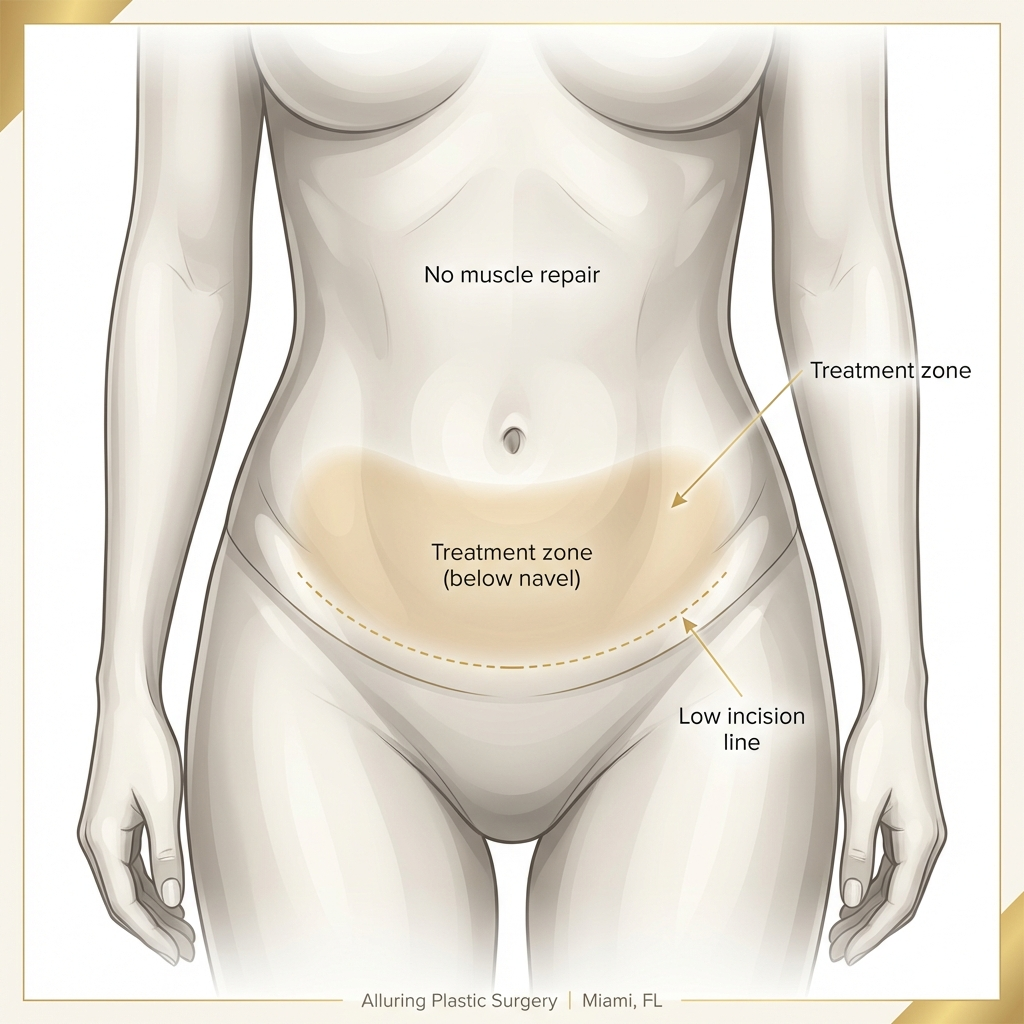
Abdominal wall reconstruction may be recommended when weakness, damage, or complex hernias affect the structure and function of the abdominal wall. Patients may need this procedure after prior surgeries, trauma, or recurrent hernias that cannot be effectively treated with standard repair methods. Here is more information on when to get an abdominal wall repair:
Recognize Complex Wall Problems
Not every hernia requires reconstruction, but certain signs indicate a more complex issue. A small bulge that stays stable differs greatly from a defect that spreads, distorts your abdomen, or affects daily movement. When simple repairs fail or the weakness spans a wide area, surgeons often evaluate whether an abdominal wall reconstruction is appropriate for your situation. Here are key signs that suggest your condition has moved beyond a routine repair:
- A growing or widening bulge: The defect expands over time, and the surrounding tissue thins as it stretches.
- Recurrence: A hernia returns after one or more prior repairs, often signaling a deeper structural problem.
- Skin or tissue changes: The skin over the area thins, discolors, or develops open wounds that fail to heal.
- Loss of core function: You struggle with posture, breathing, or lifting, and the abdominal wall no longer supports you well.
These signs do not diagnose the problem on their own, but they give you a clear reason to seek a professional evaluation.
Review Reconstruction After Complications
Prior surgeries influence how surgeons approach a new repair, and past complications carry real weight in that decision. If you underwent a hernia repair that failed, developed an infection, or left behind scar tissue, a standard fix may not be enough. Reconstruction addresses these layered problems by rebuilding the wall with a plan aligned with your history. A surgeon reviews what happened before, then determines whether an abdominal wall repair offers a durable solution.
Complete a Surgical Evaluation
A thorough evaluation is the foundation of any decision about abdominal wall reconstruction. Your surgeon examines the size of the defect, reviews imaging, and assesses your overall health before recommending an approach. Here are key details your surgeon gathers during an evaluation:
- Medical history: The team reviews past surgeries, infections, and conditions that affect healing.
- Imaging studies: A CT scan or similar test maps the defect and shows the surrounding tissue.
- Lifestyle factors: Smoking, weight, and activity levels influence risk and recovery.
- Overall fitness: The surgeon checks whether your body can handle a longer procedure and its recovery.
This information helps your surgeon explain your options clearly, and it gives you a realistic view of what reconstruction involves.
Prepare for Reconstruction
Preparation plays a key role in how well the procedure and recovery go. Your surgeon may ask you to make specific changes in the weeks before surgery, and these steps often reduce the risk of complications. Following the guidance closely helps your body respond well to a demanding operation.
Patients often focus on health goals that strengthen their readiness for reconstruction. Your surgeon may recommend quitting smoking, managing your weight, or controlling blood sugar before the date. You should also make sure you understand the recovery timeline and arrange for support at home. These practical steps give you a great starting point when surgery day arrives.
Book Your Abdominal Wall Reconstruction Appointment
Preparing for abdominal wall repair requires both physical and mental readiness. Taking proactive measures, such as improving overall health and arranging support, lays the foundation for a smooth experience. Mentally equipping yourself with realistic expectations can also help you stay focused and resilient during recovery. Contact a qualified reconstructive surgeon near you to book your appointment for an abdominal wall reconstruction today.
- The Link Between Hormone Replacement Therapy and Improved Quality of Life
- Streamlining Your Kitchen and Bathroom Remodeling for Efficiency
- Benefits of Self-Care in Mental Health Maintenance
- Effective Home Remedies and Care Tips for Coping with Bunions
- Understanding the Benefits and Risks of Cataract Surgery