
How To Differentiate Between Sciatica Symptoms and Other Conditions
July 7, 2026
When To Get an Abdominal Wall Reconstruction
July 7, 2026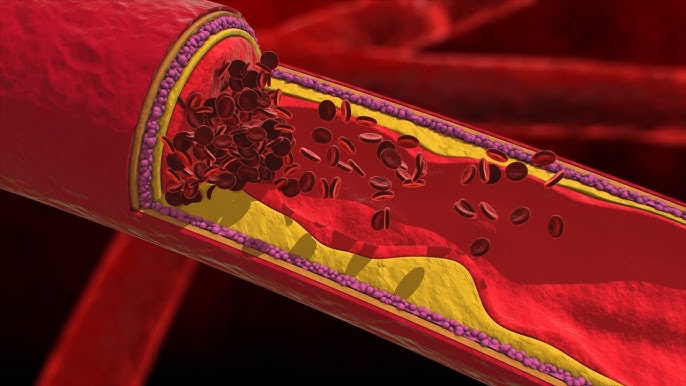
Coronary artery disease (CAD) is a condition that affects the arteries supplying blood to the heart. Treatment is not completed in a single appointment; it is an ongoing process that may include lifestyle changes and medications. Understanding what that process involves helps you prepare and ask better questions, which enables you to participate actively in your own care. Here’s information about what to expect during CAD treatment:
Understanding the Diagnostic Steps
Care teams begin by gathering information. They order a series of tests, which may include blood work, an electrocardiogram (ECG), a stress test, or imaging scans. These assessments give your team a detailed picture of your heart health. Once results are in, your doctor will discuss the findings and determine what they mean for your treatment plan. Each plan is tailored to the individual, so yours may differ from someone else’s, even with the same diagnosis.
Exploring Treatment Options
Coronary artery disease treatment generally combines multiple approaches; your care team will identify which options apply to your situation. They can also explain the reasoning behind each recommendation. Lifestyle adjustments form a core part of many treatment plans. Your doctor may address diet, physical activity levels, smoking cessation, and weight management. Referrals to specialists, such as a dietitian or a cardiac rehabilitation program, are also common.
Medications often accompany lifestyle changes. Your doctor may prescribe them to address specific factors like blood pressure or cholesterol, and it is key to follow dosing instructions precisely. Keep an updated list of everything you take, including the dosage and frequency. In some cases, a procedure may be necessary. Angioplasty with stent placement opens a narrowed artery, while coronary artery bypass surgery reroutes blood flow around a blockage. Your care team can provide referrals and explain the purpose of any procedure. They also offer guidance on what recovery involves.
Managing Appointments and Follow-Ups
Routine appointments are a key part of CAD management. During each visit, your care team will monitor relevant indicators, review your progress, and discuss any adjustments to your plan. To make each appointment as productive as possible, come prepared:
- Bring a current and complete list of your medications.
- Write down any questions before you arrive.
- Note any changes you have observed since your last visit.
- Ask a friend or family member to accompany you if you would like support during the discussion.
- Confirm logistics in advance, including whether you need to fast or pause certain medications.
After any procedure, follow-up visits shift the focus to recovery and monitoring. Your doctor adjusts the plan as needed based on how you respond over time. Consistent attendance at these appointments allows you and your care team to make informed decisions, and it confirms that the recovery is proceeding as planned.
Learn More About Coronary Artery Disease
CAD treatment may combine lifestyle changes, medications, procedures, and regular monitoring into a coordinated plan. Each component serves a specific purpose within that plan. By preparing thoroughly, attending follow-up appointments, and communicating openly with your care team, you’re able to take an active role in managing your health. This may support better outcomes over the long term. Contact a cardiology care provider to learn more about coronary artery disease.
- The Link Between Hormone Replacement Therapy and Improved Quality of Life
- Streamlining Your Kitchen and Bathroom Remodeling for Efficiency
- Benefits of Self-Care in Mental Health Maintenance
- Effective Home Remedies and Care Tips for Coping with Bunions
- Understanding the Benefits and Risks of Cataract Surgery