Understanding Arthritis and Its Treatment Options
July 28, 2026
Navigating the Allergy Testing Process
July 29, 2026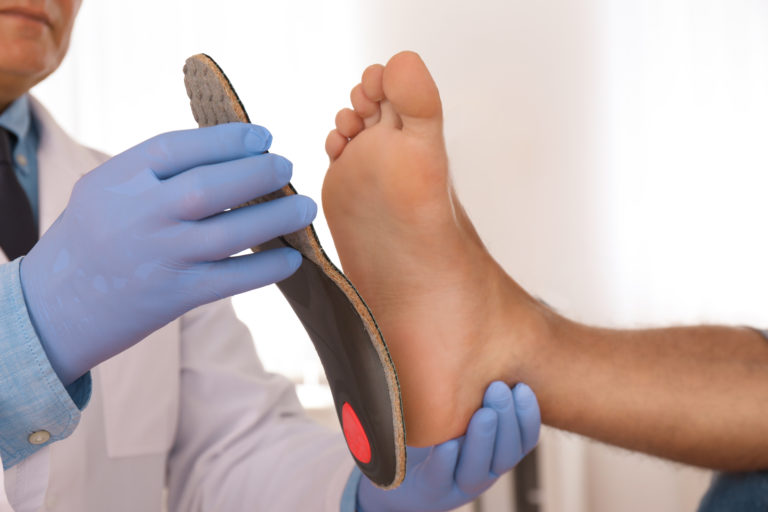
Athletes place repeated demands on their bodies, and the feet and lower limbs can absorb much of that strain. A custom orthotics clinic works within the wider field of sports medicine, studying how movement, foot structure, and physical activity relate to one another. These clinics aim to support athletes at every level, from weekend participants to those training for competition. Understanding the range of conditions, services, and treatment approaches can help you make informed choices about your own care.
What Conditions Affect Athletes?
Athletes may encounter a variety of concerns that involve the feet, ankles, and legs. Many of these develop gradually through repeated use, and others appear suddenly during activity. These conditions range broadly, including:
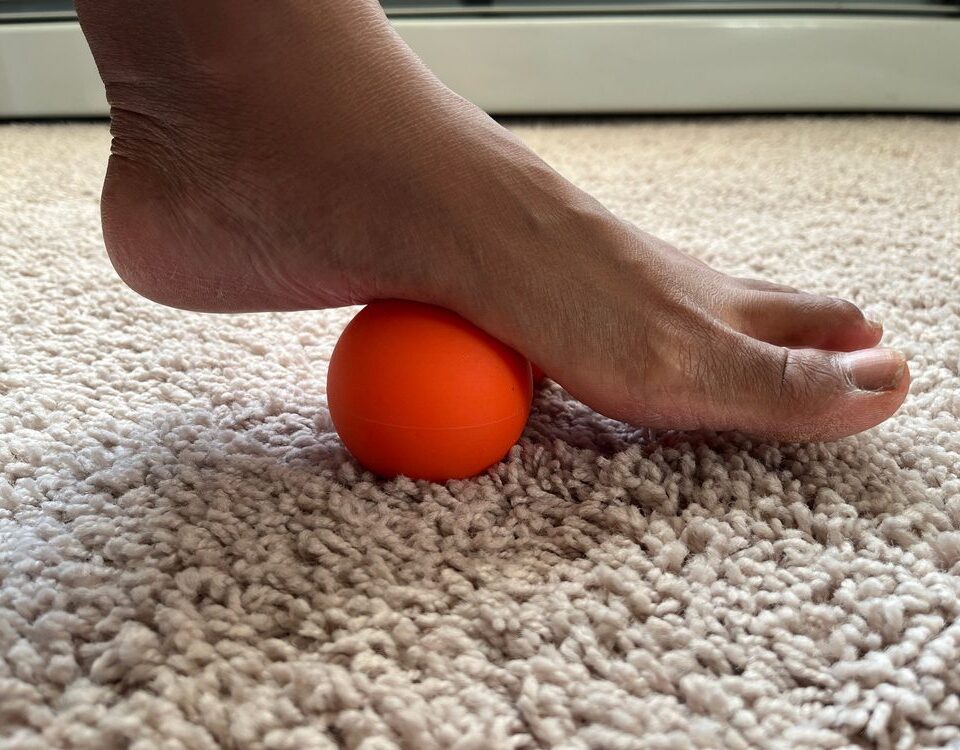
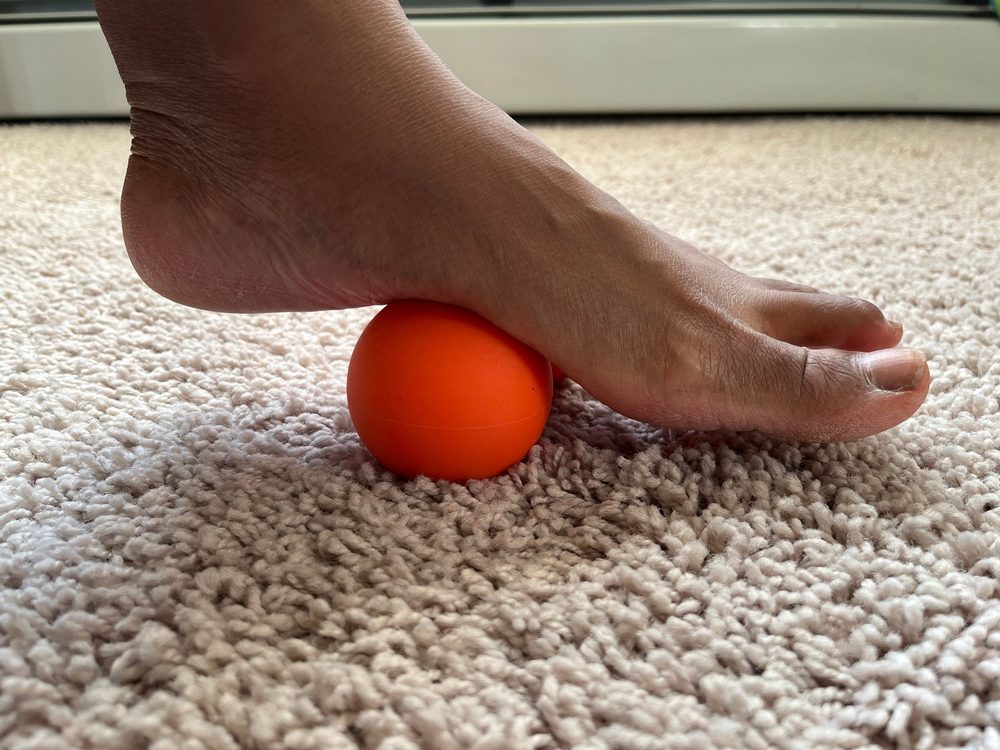
- Plantar fasciitis, which involves discomfort along the bottom of the foot near the heel.
- Achilles tendon strain, often linked to running and jumping sports.
- Stress reactions in bones, which can arise from repetitive impact.
- Ankle sprains, frequently caused by sudden twisting movements.
- Bunions and other structural changes that may affect how the foot bears weight.
Foot alignment plays a role in how force travels through the body during motion. When alignment is uneven, certain areas may take on more pressure than others. This can contribute to fatigue, discomfort, or a higher chance of injury during repeated activity. Recognizing these patterns early gives athletes a clearer picture of what is affecting their performance and comfort.
What Services Address Them?
A custom orthotics clinic, which may operate alongside sports medicine specialists, offers a broad set of services. These services generally focus on assessment, and they can provide ongoing management rather than a single fixed. These include:
- Gait analysis, which studies how you walk and run to identify movement patterns.
- Biomechanical evaluations, which examine joint motion, foot structure, and weight distribution.
- Custom orthotic devices, which are shaped to match the contours of an individual foot.
- Footwear guidance, which helps match shoe selection to activity type and foot shape.
- Physical activity planning, which supports gradual progress and recovery.
The goal of these services is to provide options suited to each person’s structure and activity. Clinics combine several services to build a fuller understanding of how a person moves and where added support could help.
How Are They Treated?
Treatment at a custom orthotics clinic may begin with a detailed assessment. A specialist can observe how you stand, walk, and move, and this information helps map out how weight travels through the foot during activity. The clinic may create custom orthotics designed to fit your specific foot shape. Unlike mass-produced inserts, custom devices are built from measurements or molds taken directly from your feet. These devices aim to support natural alignment and distribute pressure more evenly across the foot.
Follow-up visits allow the clinic to track progress, helping to refine the approach as needed. Feet and movement patterns can change over time, so periodic review helps keep support aligned with current activity levels. This ongoing relationship supports steady adjustment rather than a one-time fix.
Visit a Custom Orthotics Clinic
Custom orthotics clinics and sports medicine specialists work to identify areas of strain, and they aim to provide support suited to each athlete. Whether you take part in organized sport or simply stay active in daily life, paying attention to foot health can help you maintain comfort and steady performance. Reaching out to a podiatry and sports medicine provider gives you access to structured assessment and tailored support.