

Causes and Treatments for Red Eyes
July 28, 2026
Exploring the Benefits of Custom Orthotics for Athletes
July 28, 2026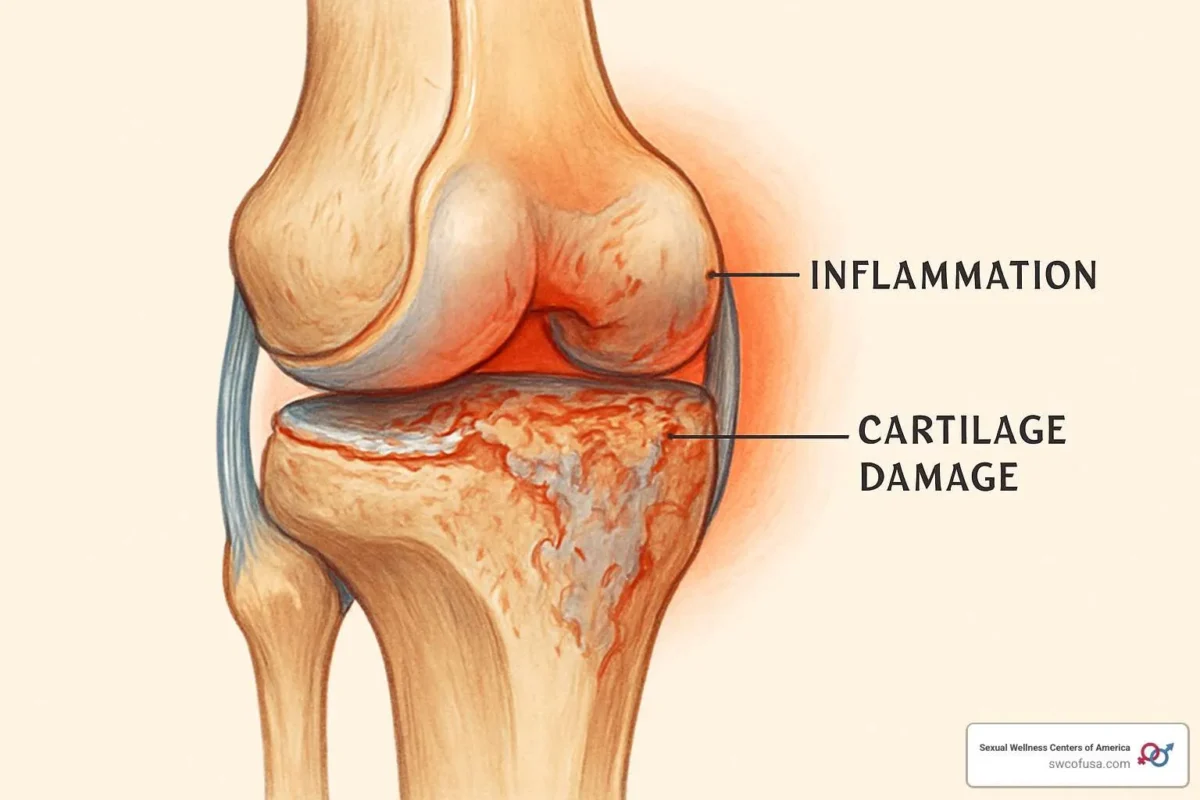
Arthritis is a condition that affects many people. It causes joint inflammation, pain, and reduced mobility, which reduces overall quality of life. In advanced cases, orthopedic surgery may be required to restore joint function, and understanding the condition is beneficial. Here is more information on arthritis, including its causes, symptoms, and available treatments:
What Is Arthritis?
Arthritis is a broad term referring to inflammation of one or more joints in the body, and it encompasses over 100 distinct types. The most common are osteoarthritis and rheumatoid arthritis. While both conditions affect the joints, they differ significantly in their underlying mechanisms, which is why accurate diagnosis is needed for effective treatment.
Osteoarthritis develops when the protective cartilage cushioning the ends of bones gradually wears down. As cartilage deteriorates, bones may begin to rub against one another, causing pain and stiffness. This degenerative process typically progresses over time, and it is most commonly associated with aging or repeated mechanical stress on the joints.
Rheumatoid arthritis is an autoimmune condition. The body’s immune system mistakenly attacks the synovial membrane, which is the lining that surrounds and protects the joints, leading to inflammation, swelling, and eventual joint damage. Rheumatoid arthritis is driven by immune dysfunction rather than mechanical wear, and its progression differs from that of osteoarthritis.
What Causes It?
Arthritis is primarily caused by age-related wear and tear on the joints. Obesity, previous joint injuries, repetitive physical movements, and a family history of the condition are risk factors. Rheumatoid arthritis develops differently, as it occurs when the immune system malfunctions and targets healthy joint tissue, making it an autoimmune condition rather than a mechanical one. Certain factors increase the likelihood of developing arthritis across all types. Age is one of the strongest predictors; older adults are more likely to be affected than younger individuals.
What Are the Symptoms?
This condition typically presents with a range of joint-related symptoms that vary in severity and location. Common symptoms include:
- Persistent joint pain and stiffness
- Swelling and inflammation around the affected joint
- Reduced range of motion
- Fatigue and general discomfort throughout the body
The location and pattern of these symptoms can differ by arthritis type.
What Are the Treatment Options?
Treatment is designed to reduce pain, improve joint function, and slow disease progression, all of which help improve quality of life. The most appropriate treatment plan depends on the type and severity of the condition, and a range of options is available. These options span from conservative approaches to surgical intervention. Medications may be the first treatment, and ice therapy is a non-invasive approach that reduces swelling and numbs localized pain.
When medications alone do not provide adequate relief, injections offer a more targeted option. Corticosteroid injections deliver anti-inflammatory medication directly into the affected joint; these injections provide short-term pain relief. Hyaluronic acid injections work by lubricating the joint to improve movement and reduce discomfort. Surgical intervention may be recommended when conservative treatments have not produced sufficient results.
Consult an Orthopedic Surgeon Today
Arthritis is a manageable condition when addressed with the right treatment strategy. From medications and ice therapy to corticosteroid or hyaluronic acid injections, some patients achieve relief without surgery, but for those with more advanced joint damage, surgical options help restore function and quality of life. If you are looking to learn more about your treatment options, consult an orthopedic surgeon.