
Understanding the Impact of Cosmetic Dentistry
August 5, 2026
Sports Medicine Approaches to Maintaining Long-term Athletic Health
August 6, 2026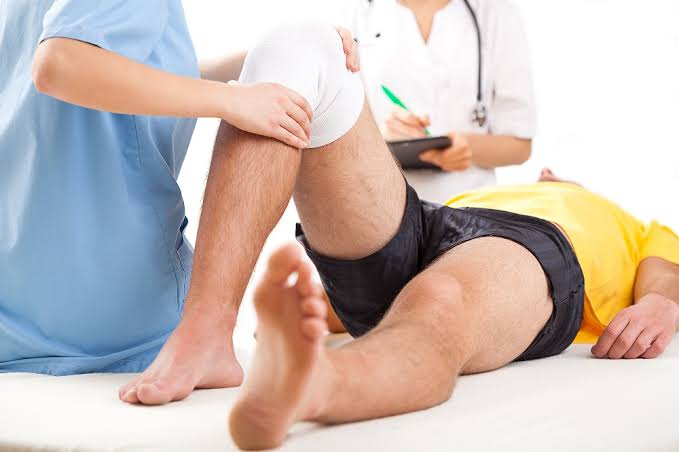
Sports medicine is a branch of healthcare focused on the treatment and prevention of injuries related to physical activity and athletics. It combines knowledge from orthopedics, physical therapy, and rehabilitation to help patients maintain their physical performance. Injury prevention refers to the strategies and practices used to reduce the risk of harm during physical activity; it often involves proper technique and professional guidance. Here is more information about this medical field and what it does for athletes:
Understanding Sports Medicine
A sports medicine doctor evaluates, diagnoses, and manages conditions that affect people who are physically active. These physicians work with athletes at every level, from weekend runners to professional competitors, because activity-related concerns can appear across all ages and abilities. Many also coordinate care with surgeons and physical therapists to support recovery. Beyond treating existing conditions, these doctors also take a preventative approach by:
- Assessing movement patterns, strength, and flexibility to identify potential risk factors
- Reviewing a patient’s training routine to identify areas of concern
- Suggesting adjustments that reduce strain on joints and muscles
- Helping patients stay active while lowering the chance of future setbacks
Reviewing Common Sports Injuries
Sports injuries vary widely depending on the activity and intensity. These injuries can occur outside an athletic setting, but playing sports is a common way that people of all ages sustain these conditions. Some of the most common include:
- Sprains and strains
- Overuse injuries
- Fractures and dislocations
- Knee injuries
- Shoulder injuries
- Ankle sprains
- Shin splints
- Stress fractures
Treating Sports Injuries
Treatment plans depend on the type of injury and the patient’s overall health and activity goals. For many minor injuries, rest, ice, compression, and elevation form the first line of care, and this approach helps reduce swelling and pain in the early stages. A sports medicine doctor may also recommend anti-inflammatory measures or bracing that supports healing.
More significant injuries sometimes call for structured rehabilitation programs; these rebuild strength and range of motion. Physical therapy is a common component, because guided exercises can help restore function gradually. In certain cases, imaging tests such as X-rays or MRIs help the physician understand the full extent of the damage before recommending next steps.
Some injuries may require surgical repair, particularly torn ligaments or tendons. When surgery is necessary, a coordinated recovery plan usually follows to guide the patient back to activity. The goal throughout treatment is to restore function, and it simultaneously aims to minimize the risk of re-injury.
Preventing Future Injury
Physical therapy plays a central role in helping patients recover fully so they can return to their activities. Therapists design targeted exercises that improve strength and mobility, and these programs address the specific weaknesses that contributed to the original injury. Consistent practice of these movements at home supports long-term stability.
Guidance from a sports medicine doctor extends beyond the recovery period and into ongoing prevention. Physicians can teach patients proper warm-up routines, correct form, and safe progression in training; these habits help reduce unnecessary stress on the body. They may also advise on appropriate footwear, equipment, and rest schedules that fit each patient’s activity level.
Find a Sports Medicine Doctor
A sports medicine doctor uses various techniques and modes of care to help patients recover from and prevent sports injuries. Treatments like physical therapy, along with professional guidance, help patients build strength, and they can reduce the risk of future harm. If you want to learn more about injury prevention techniques, consult a sports medicine physician near you.