

How Botox Works
October 19, 2026
The Role of Pediatrics in Child Development and Well-Being
October 20, 2026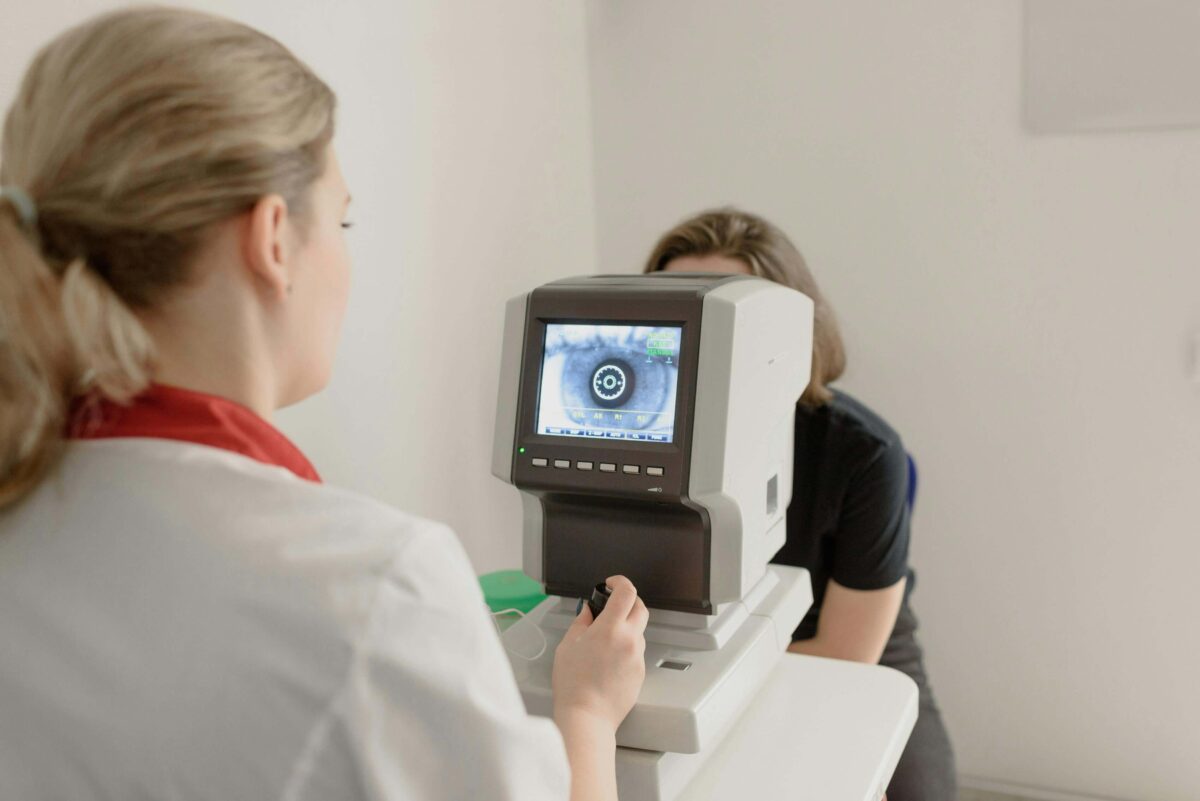
An optometrist appointment typically includes a medical history review, vision testing, and an examination of overall eye health. During the visit, providers assess visual acuity, evaluate potential eye conditions, and discuss examination findings with patients. Depending on individual needs, recommendations may include prescription eyeglasses, contact lenses, additional diagnostic testing, or treatment for eye conditions. Here is more information about what to expect during your visit to an optometrist:
Completing Initial Paperwork and History
An optometrist appointment typically begins with reviewing personal information, current medications, and family history of eye conditions. Patients may also discuss symptoms such as blurry vision, headaches, eye strain, or changes since their previous examination. Because medical history influences eye health, providers use this information to determine which evaluations or diagnostic tests are appropriate. Bringing current eyeglasses, contact lenses, and a medication list provides additional information during the initial assessment.
Undergoing Vision and Health Tests
Optometrists perform vision and eye health tests to evaluate visual clarity, eye coordination, and potential signs of ocular conditions. Examinations often begin with visual acuity testing, which measures how clearly patients see letters or symbols at different distances. Because eye health involves several functions, providers use additional assessments to examine vision and detect possible abnormalities. Common examination procedures include:
- Measuring visual acuity: Assessing how clearly each eye sees using a standardized eye chart.
- Performing refraction testing: Determining the appropriate prescription for eyeglasses or contact lenses.
- Evaluating eye coordination: Examining eye muscle movement and how effectively both eyes work together.
- Assessing peripheral vision: Measuring the ability to detect objects outside the central field of vision.
- Checking intraocular pressure: Using tonometry to measure eye pressure and assess potential glaucoma risk.
Examining Eye Health and Structure
Optometrists examine the physical structures of the eyes to identify abnormalities and evaluate overall ocular health. A slit-lamp microscope provides a magnified view of the cornea, iris, lens, and surrounding tissues. This examination helps providers identify signs of dry eye, inflammation, infection, or cataract development.
Pupil dilation may be recommended to provide a clearer view of the retina and optic nerve. Dilating eye drops temporarily enlarge the pupils, allowing providers to examine structures located toward the back of the eye. Because dilation sometimes causes blurred vision and light sensitivity, patients may need sunglasses following their examination.
Eye health evaluations also help detect changes associated with glaucoma, macular degeneration, and other ocular conditions. Some eye diseases develop gradually without noticeable symptoms, making routine examinations useful for identifying early abnormalities. Optometrists review examination findings and recommend additional testing, monitoring, or treatment based on individual eye health needs.
Schedule With an Optometrist Today
Regular eye examinations help optometrists evaluate visual clarity, eye function, and overall ocular health. Appointments typically include reviewing medical history, performing vision tests, and examining internal and external eye structures. Because some eye conditions develop without noticeable symptoms, routine examinations help identify potential abnormalities. Optometrists review examination findings and recommend appropriate treatments, corrective lenses, or additional testing based on individual needs. Schedule an eye exam today to discuss your vision concerns and receive an individualized eye health evaluation.