
How Orthopedic Surgeons Collaborate With Other Healthcare Professionals
September 8, 2026
Dental Implants: What to Expect From Treatment to Long-Term Care
September 8, 2026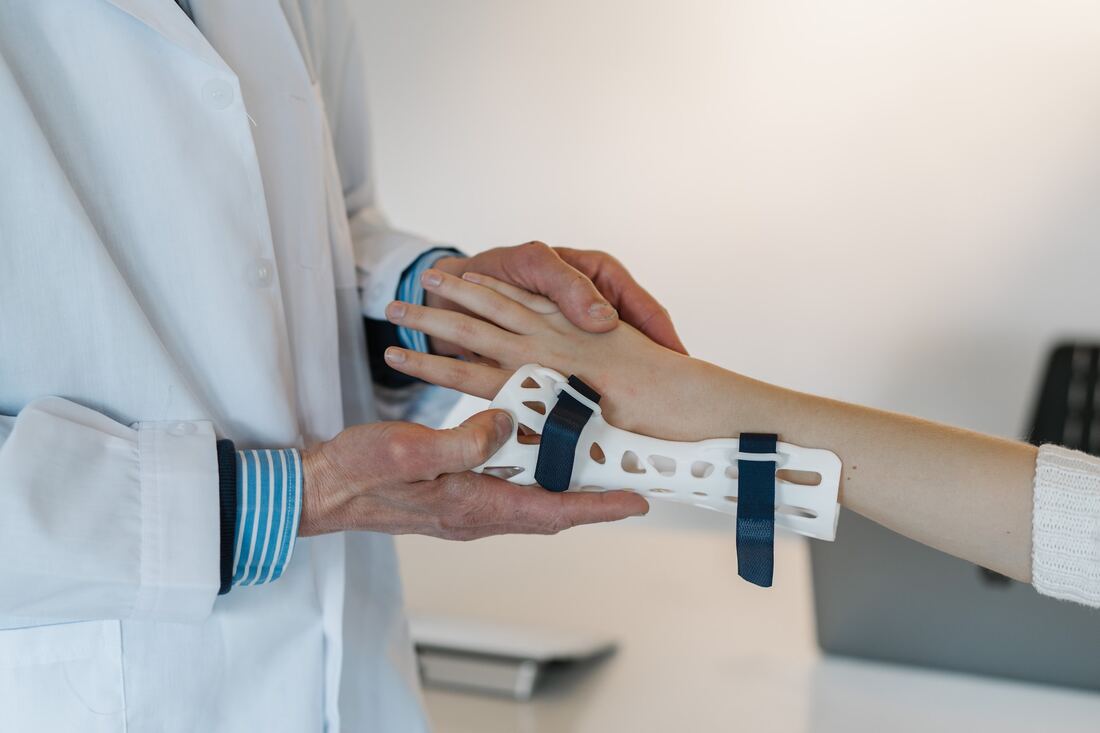
Orthopedic surgeons diagnose and treat injuries affecting bones, joints, muscles, tendons, and ligaments. In sports medicine, they can identify the cause of an injury, and they will recommend a suitable treatment plan. Their training lets them address both the immediate injury and the long-term function of the affected area, which makes them a valuable resource for athletes and active individuals. Here is more information on what orthopedic surgeons do and how sports medicine fits into their practice:
What Are Orthopedic Surgeons?
Orthopedic surgeons specialize in diagnosing and treating conditions affecting the musculoskeletal system. These surgeons apply both surgical and non-surgical methods, and the chosen approach depends on the nature of the injury. A torn rotator cuff may require surgery. A mild ankle sprain may need only rest, bracing, and physical therapy, which are less invasive interventions that support natural recovery. Each treatment plan depends on the injury’s severity, the patient’s activity level, and their long-term goals for movement and function.
What Is Sports Medicine?
As physical activity can contribute to a variety of injuries and conditions, sports medicine focuses on their prevention, diagnosis, and treatment. Physicians in this field work with athletes at every level, from weekend joggers to professional competitors. Their goal is to restore function, and they help patients return to their sport or activity safely. Function is the priority.
Sports medicine specialists address a wide range of conditions, including sprains, strains, fractures, and overuse injuries like tendonitis. Because physical activity places repeated stress on the body, sports medicine takes a proactive approach to keeping patients active without unnecessary setbacks. Some specialists also focus on injury prevention; they offer guidance on proper technique and conditioning while monitoring recovery to reduce reinjury risk.
How Are They Connected?
Orthopedic surgery and sports medicine overlap because both fields treat the musculoskeletal system. Some orthopedic surgeons pursue training in sports medicine; this advanced training expands their knowledge of athletic injuries and performance-related concerns. This combination allows them to manage both surgical and non-surgical aspects of a patient’s recovery, making comprehensive care more accessible.
A patient with a sports injury benefits from seeing an orthopedic surgeon who also specializes in sports medicine. This surgeon will diagnose the injury and perform reconstructive surgery if needed, but they can also guide the patient through the full rehabilitation process. Since these providers have dual expertise, one specialist can manage the full course of treatment, from initial evaluation to return-to-play clearance.
What Are the Benefits?
Working with an orthopedic surgeon who specializes in sports medicine offers several advantages for patients recovering from an injury.
- Comprehensive care: These surgeons can diagnose injuries, recommend treatment plans, and perform surgery.
- Faster, more accurate diagnosis: Their training in musculoskeletal anatomy allows them to identify the source of pain or dysfunction with precision.
- Personalized recovery plans: Specialists tailor rehabilitation to a patient’s specific activity level and goals.
This breadth of expertise allows orthopedic surgeons with sports medicine training to support a safe and complete return to activity.
Consult an Orthopedic Surgeon
Orthopedic surgeons play a central role in sports medicine; it offers both surgical expertise and a deep understanding of how the body moves and recovers. Their combined training lets them manage sports-related injuries from diagnosis through rehabilitation. If pain, stiffness, or reduced mobility is affecting your ability to stay active, schedule a consultation with an orthopedic surgeon to discuss your treatment options.