How Cardiology Plays a Role in Managing Chronic Conditions
September 8, 2026
Why Orthopedic Surgeons Are Beneficial for Sports Medicine
September 8, 2026
Orthopedic surgeons treat problems in your bones, joints, muscles, and ligaments, and they diagnose injuries and perform procedures to repair damaged tissue. Since your body works as a connected system, these surgeons typically don’t act alone. They team up with many professionals to guide your care. Here is more information on how they collaborate with others:
Interpreting Imaging Scans
Radiologists produce detailed pictures of your bones and soft tissue. Your orthopedic surgeon reviews these scans, and the radiologist explains what each image shows. When a fracture pattern looks unusual, the two specialists compare notes closely. This exchange helps your surgeon plan the right treatment.
Some cases need more than one type of scan. A technician captures the images, and the surgeon studies them alongside the radiologist. The result is a clearer picture of your injury. Since small details shape big decisions, this review takes time and focus.
Co-managing Chronic Conditions
Many patients live with diabetes, heart disease, or arthritis. Your surgeon works with your primary care doctor, and both track how these conditions affect your bones. If your blood sugar runs high, the team adjusts your treatment plan carefully. Steady coordination keeps your care on track.
A rheumatologist may join the team, and your surgeon shares notes on joint damage. When inflammation flares, these specialists compare options and pick a path forward. Clear communication keeps everyone informed. Chronic conditions change how your body heals after an injury.
Your care team collaborates consistently, making sure every specialist understands your unique needs and works toward the same goal. They monitor your progress closely, making adjustments when necessary. While managing chronic conditions takes time, coordinated care provides the reassurance that you’re not navigating this alone.
Clearing Patients for Surgery
Before any procedure, your surgeon checks that your body is ready. Several professionals contribute to this review, and each one examines a different risk. As anesthesia may affect your heart and lungs, an anesthesiologist reviews your history first. Your care team typically includes these members during clearance:
- Doctors in primary care, who confirm your general health
- Cardiologists, who check heart function when needed
- Anesthesiologists, who review medication and sedation risks
- Nurse staff, who record vitals and lab results
Planning Physical Therapy
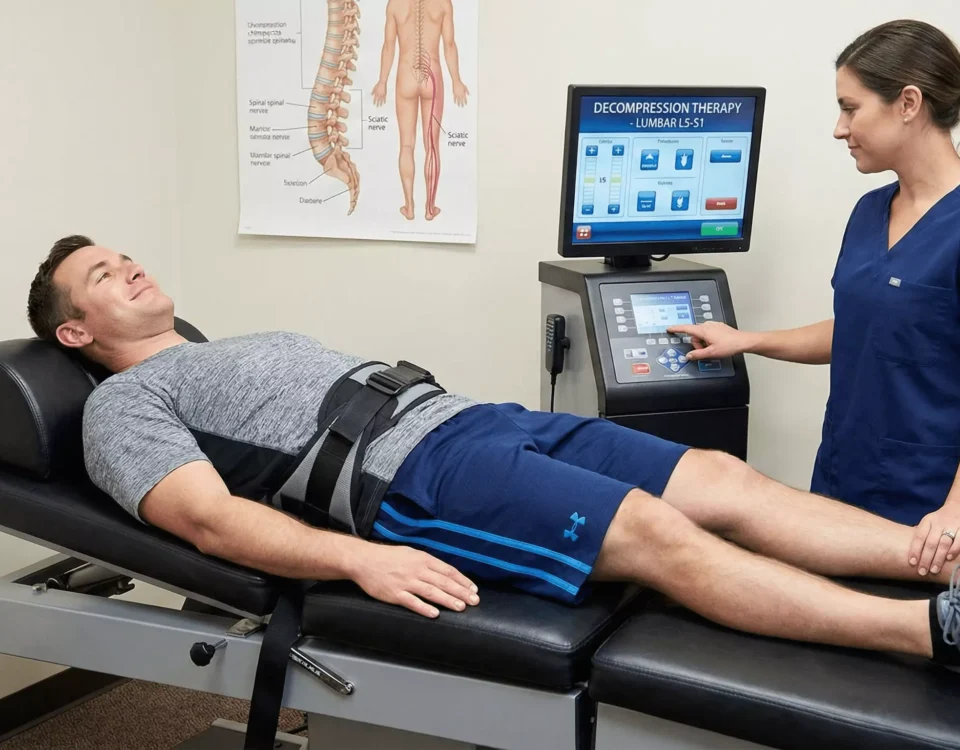
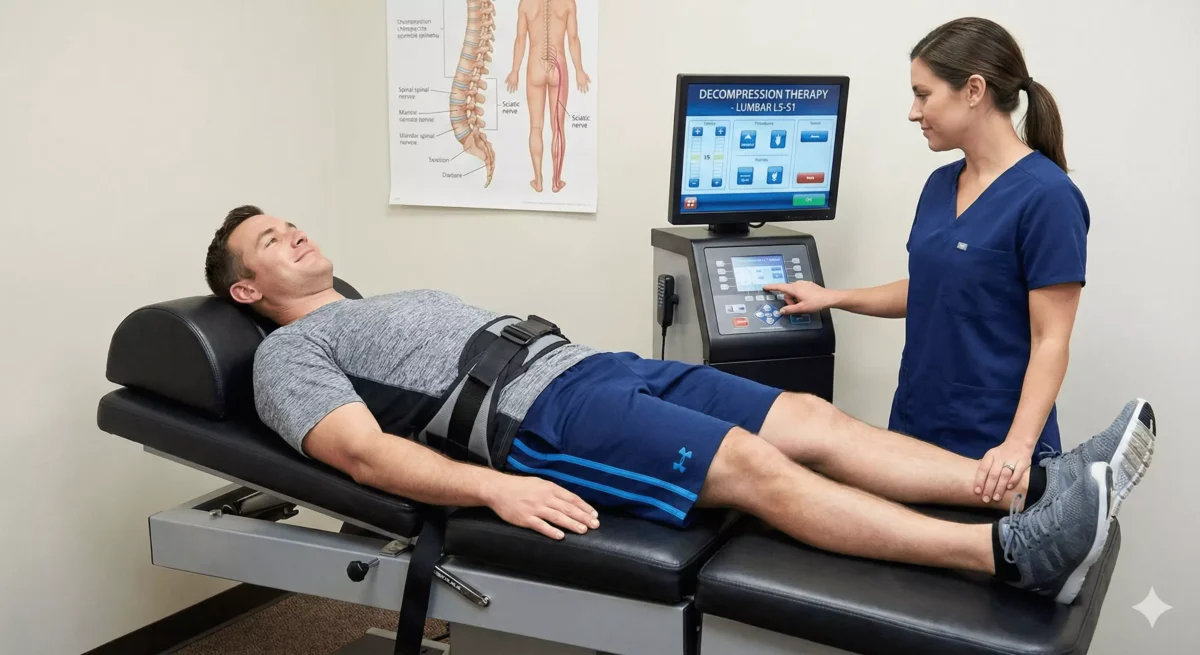
Recovery continues long after a procedure ends. Physical therapists design your movement plan, and your surgeon sets the limits for each stage. Since muscles may weaken during rest, therapy starts as soon as your body allows. Small steps build toward larger goals.
Your surgeon and therapist stay in close contact throughout recovery. They track your progress together, and they adjust exercises based on your pain and range of motion. If a joint feels unstable, the therapist reports it right away. This feedback loop shapes your next steps. A coordinated therapy plan covers these areas:
- Range-of-motion exercises to restore joint movement
- Strength training to rebuild supporting muscles
- Balance work to lower fall risk
- Activity guidance for daily tasks
The therapist tailors each exercise to your progress. Your surgeon reviews these updates, and both professionals refine the plan as you improve. When you hit a goal, the team sets a new target. This structure aims to keep your recovery organized.
Schedule an Orthopedic Surgeon Visit
An orthopedic surgeon works with a full team, and that team addresses your needs from many angles. If you have pain that limits your activity, book an appointment to start the conversation. Reach out to an orthopedic surgeon in your area today. Call an office and ask about scheduling an initial evaluation, and bring your recent scans and a list of medications to your visit.